


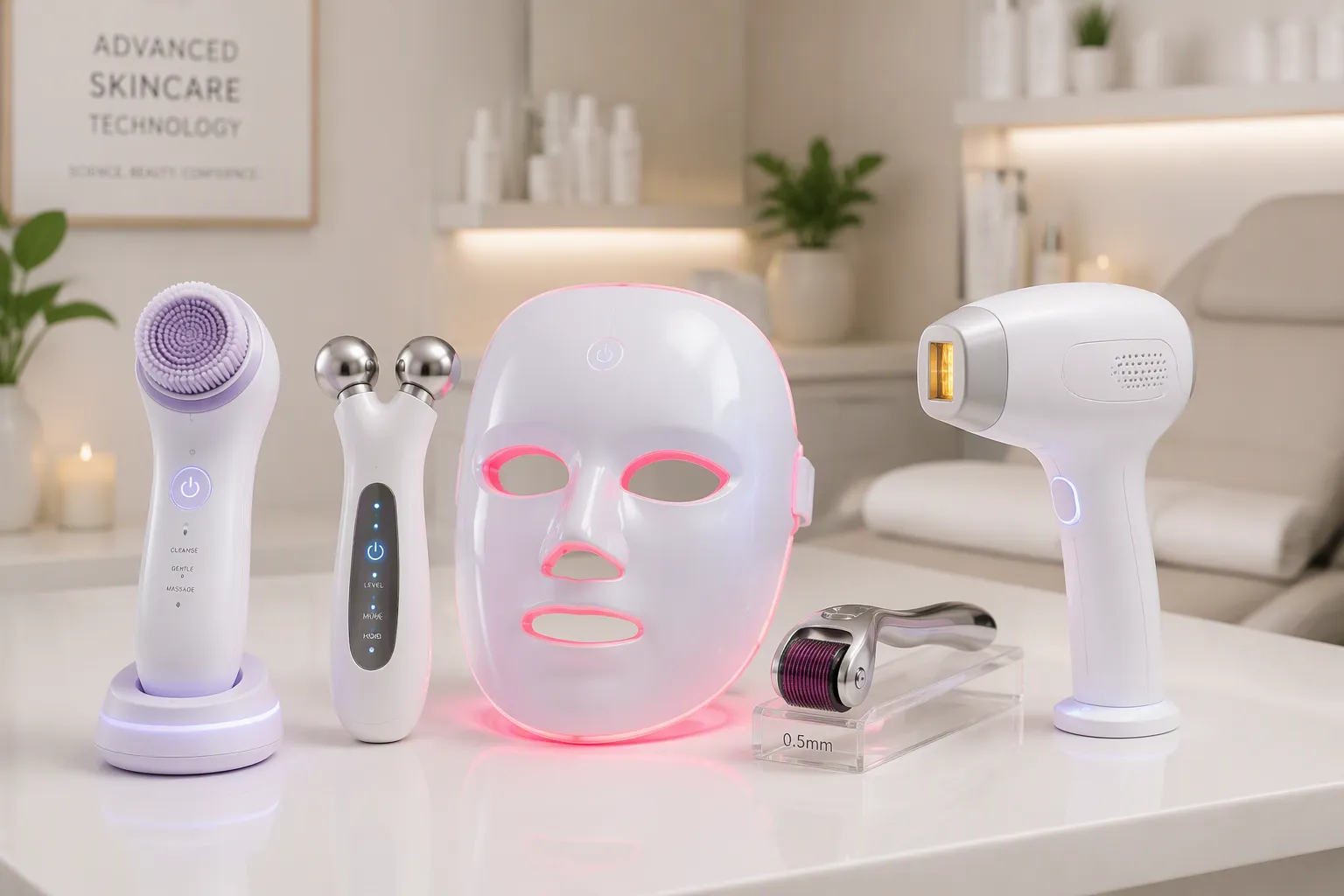
I see the top professional beauty machines trending in 2026 include LED therapy, hydrofacial systems, laser and IPL, RF microneedling, and body contouring devices. These tools deliver effective results for deep cleansing, anti-aging, hair removal, and skin tightening. I recommend estheticians and clinic owners explore these advanced technologies for their practices.
Key Takeaways
●LED therapy and hydrofacial systems provide safe, effective treatments for acne and aging.
●Laser hair removal and RF microneedling deliver long-lasting results for hair and skin.
●Start with a hydrofacial system to build client trust and generate steady revenue.
LED Therapy and Hydrofacial Beauty Machines
I see these two categories dominate professional settings in 2026. Estheticians favor them for their proven results and client satisfaction. These beauty machines handle common skin concerns like congestion, dehydration, acne, and aging. Many clinics invest in both systems to offer comprehensive facial treatments.
Hydrofacial for Deep Cleansing and Hydration
Hydrofacial systems use a spiral vortex technology. This mechanism gently exfoliates the skin while extracting impurities from pores. The device simultaneously delivers hydrating serums deep into the skin. Clients see immediate results after one session. Their skin looks brighter and feels smoother. The treatment is painless and requires no downtime. Estheticians appreciate the customizable approach. I can adjust the tip size and serum type based on each client’s needs. This flexibility makes the hydrofacial suitable for all skin types, including sensitive skin. Many clinics offer this treatment as a monthly maintenance service. It prepares the skin for other procedures like chemical peels or microneedling. I find that clients return regularly for this refreshing experience. The visible glow and improved texture keep them coming back.
LED Therapy for Acne and Anti-Aging
LED therapy uses specific wavelengths of light to target skin concerns. Blue light at 415 nm kills acne-causing bacteria. Red light at 633 nm reduces inflammation and stimulates collagen production. A 7-week open-label study evaluated a combined blue and red LED mask for home treatment of mild-to-moderate acne. Results showed significant reductions in both inflammatory and noninflammatory lesion counts. 86% of patients achieved at least a one-grade reduction in IGA scores. The treatment was well-tolerated with only mild and transient adverse events reported. These findings confirm LED therapy as a reliable option for acne management.
For anti-aging, I see impressive data on wrinkle reduction. A clinical study measured crow’s feet wrinkle depth reduction at different time points:
| Time point | Reduction in crow’s feet wrinkle depth |
|---|---|
| After 28 days (1 month) | 15.6% |
| After 56 days (2 months) | 34.7% |
| After 84 days (3 months) | 38.3% |
These results make LED therapy a staple in professional beauty machines. I recommend combining LED with hydrofacial treatments for enhanced outcomes.
Laser and IPL Systems
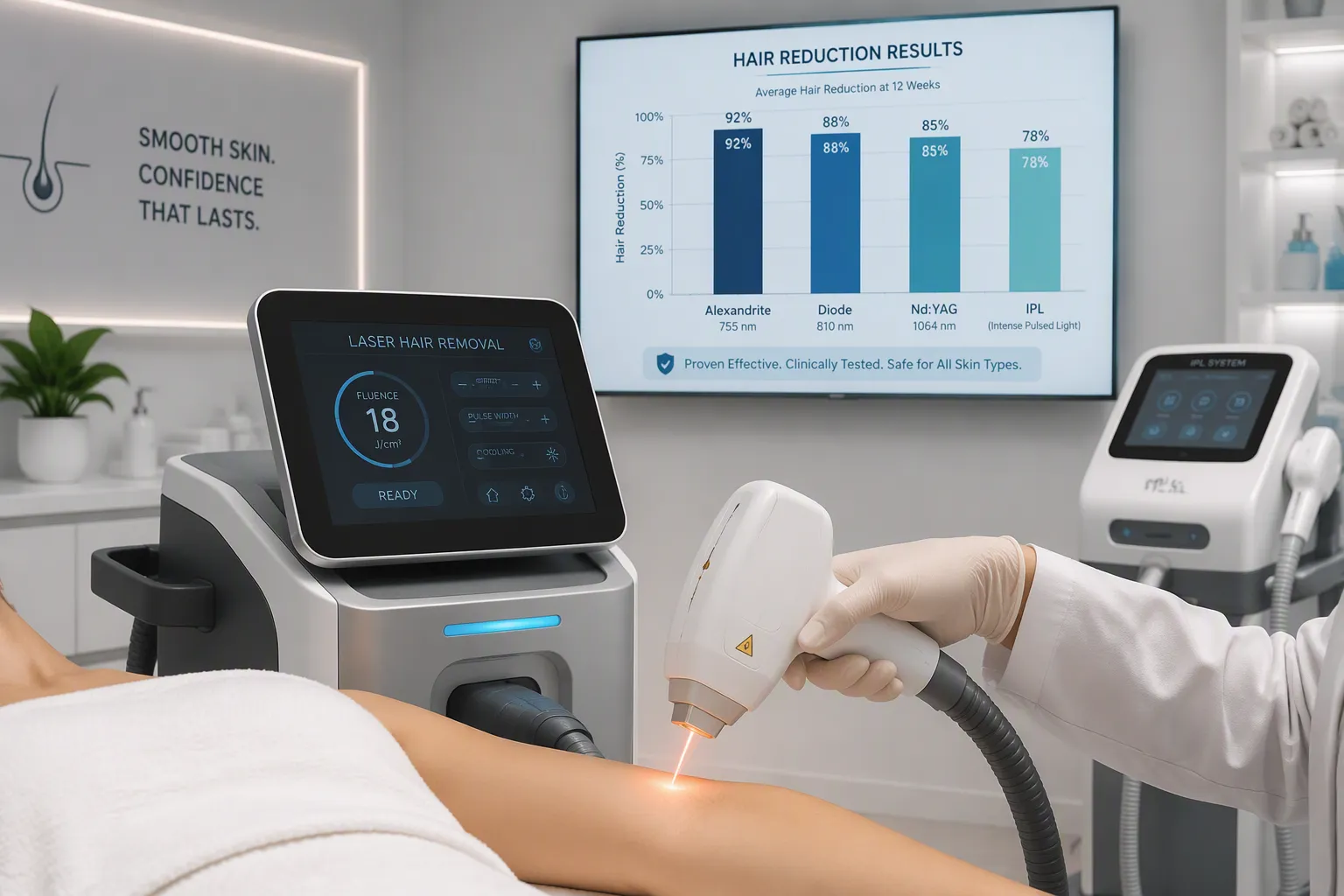
I see laser and IPL systems as powerful tools for professional clinics. These beauty machines address hair removal, skin rejuvenation, pigmentation, and vascular concerns. As of 2026, the market for light hair removal devices and systems is valued at approximately USD 1.41 billion, with a projected CAGR of 15% from 2026 to 2035. This growth reflects rising demand for effective, non-invasive beauty machines. I recommend these systems for their versatility and proven outcomes.
Laser Hair Removal and Skin Rejuvenation
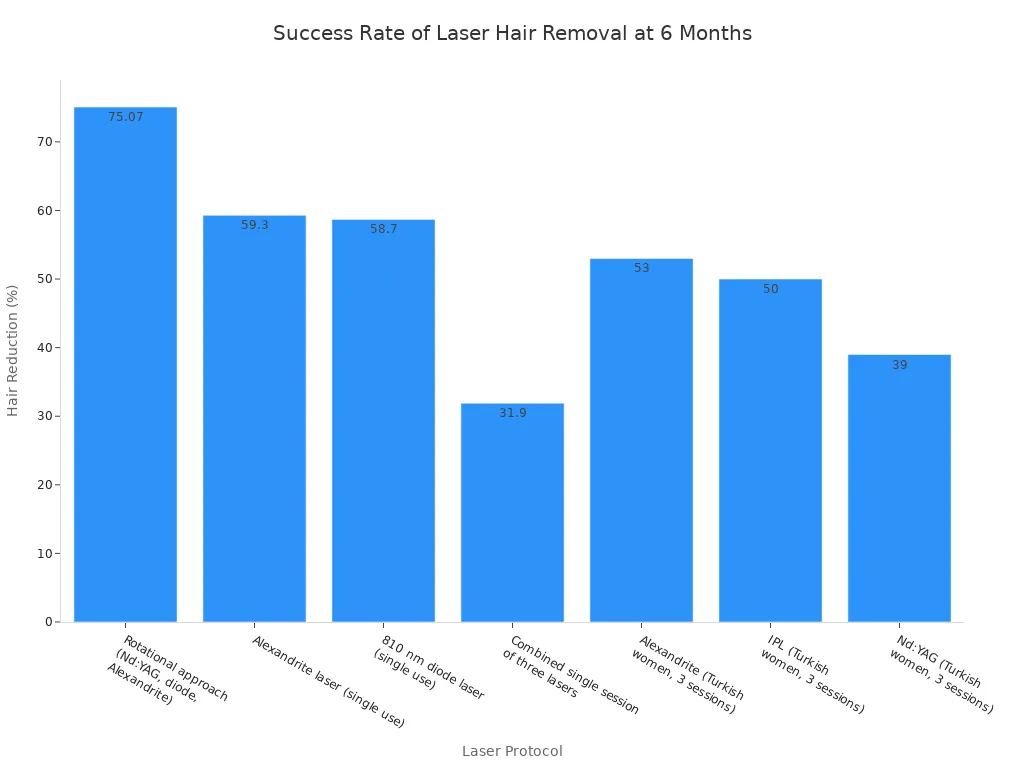
Laser hair removal offers permanent hair reduction through targeted light energy. The success rate depends on the protocol. A rotational approach using Nd:YAG, diode, and Alexandrite lasers achieves 75.07% hair reduction at six months. Single-laser protocols show lower results. Alexandrite alone provides 59.3% ± 9.7% reduction, and the 810 nm diode laser provides 58.7% ± 7.7% reduction.
| Laser Protocol | Hair Reduction at 6 Months |
|---|---|
| Rotational approach (Nd:YAG, diode, Alexandrite) | 75.07% |
| Alexandrite laser (single use) | 59.3% ± 9.7% |
| 810 nm diode laser (single use) | 58.7% ± 7.7% |
| Combined single session of three lasers | 31.9% ± 11.1% |
| Alexandrite (Turkish women, 3 sessions) | 53% |
| IPL (Turkish women, 3 sessions) | 50% |
| Nd:YAG (Turkish women, 3 sessions) | 39% |
For skin rejuvenation, I see impressive results. A study on combined 532-nm KTP and 1064-nm Nd:YAG laser therapy reported a 40-60% improvement in skin texture after 3 to 6 treatments. Skin biopsies confirmed new collagen formation. A long-term follow-up study on IPL reported that 83% of subjects maintained improvement at 4 years. These results show that laser-based rejuvenation offers both short-term gains and lasting results.
IPL for Pigmentation and Vascular Lesions
IPL delivers broad-spectrum light to treat pigmentation and vascular issues. The process works in a clear sequence:
- IPL delivers multiple wavelengths of broad-spectrum light that penetrate the skin’s layers.
- The light energy is absorbed by excess melanin in pigmented areas, breaking down the pigment.
- The treated pigment rises to the surface and naturally flakes off over 7-14 days.
- This process results in a brighter, more even complexion within a week.
IPL is most effective for skin types 1-3 with concerns such as sun damage, age spots, or redness. However, it’s not recommended for individuals with darker skin, a history of seizures, or those who are pregnant or breastfeeding.
For vascular lesions, IPL is effective for treating facial telangiectasias, with outcomes comparable to pulsed dye laser. Advantages include fewer side effects, less pain, and lower cost. Optimal parameters for vascular treatment include phototypes I–II, 500–520 nm wavelength filters, pulse durations up to 8 ms, double pulses, and higher fluences, as the flexible broadband wavelength range (515–1200 nm) allows targeting vessels at various depths.
RF Microneedling and Skin Tightening
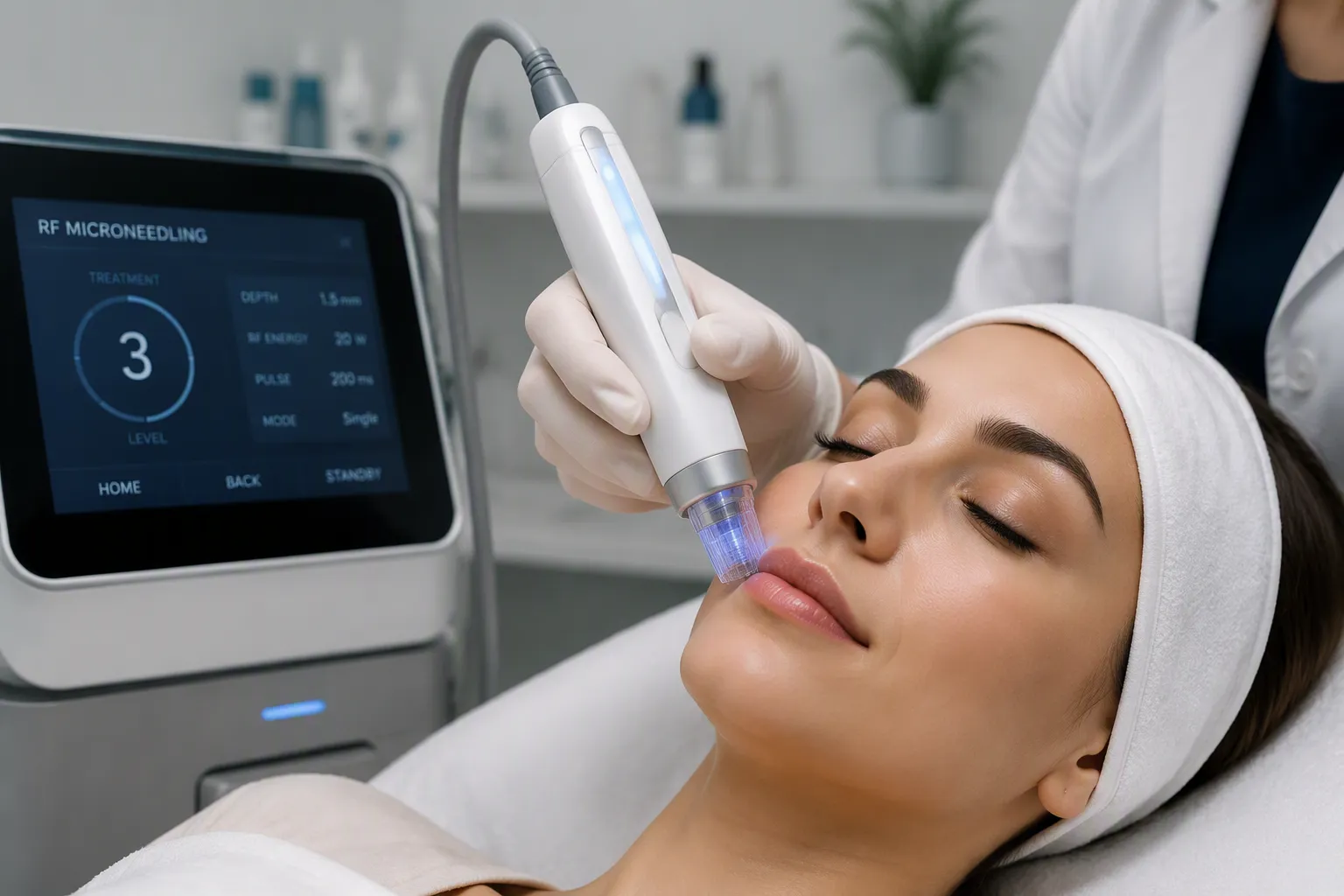
RF microneedling combines traditional microneedling with radiofrequency energy. Tiny needles penetrate the skin while delivering heat to deeper layers. This dual action triggers collagen production and tissue remodeling. I see this category of beauty machines gaining strong traction in professional clinics throughout 2026.
RF Microneedling for Collagen Induction
The procedure creates controlled micro-injuries in the dermis. Radiofrequency energy heats the tissue to stimulate fibroblast activity. New collagen forms and continues remodeling for up to six months after treatment. Modern devices offer customizable needle depths and precise energy delivery. This personalization allows me to tailor each session to individual skin concerns.
Patient satisfaction remains remarkably high. An open-label study reported that 96% of subjects felt extremely satisfied after RF microneedling with a post-treatment skincare protocol. A 2025 split-face study found 92% satisfaction for RF combined with microneedling, compared to 79% for RF alone and 81% for microneedling alone. On RealSelf, 85% of people rated the procedure as “worth it,” particularly for improving texture and scars.
Recovery follows a predictable timeline:
| Phase | Duration | Key Symptoms |
|---|---|---|
| Immediate | Day 0 | Redness, mild swelling, pinpoint marks |
| Peak Redness | Days 1-2 | Redness 7-9/10, dry, tight skin |
| Rough Patch | Days 3-4 | Peeling, flaking, skin dull |
| Socially Presentable | Days 5-7 | Redness fading, return to work |
| Full Results | Months 1-3 | Optimal results, remodeling continues |
Skin Tightening with Radiofrequency
Non-invasive RF skin tightening delivers heat to the deep dermis and adipose tissue. This process enhances lipase secretion and reduces localized fat while promoting firmness. A 2025 meta-analysis in Dermatologic Surgery, reviewing 22 RF studies, found an average patient satisfaction rate of 84%. Clinical studies show objective volumetric reduction through 3D imaging, with 96% of patients satisfied with their results.
Patients report immediate tightening and improved elasticity. Optimal effects appear around three months post-treatment. Visia analysis confirms statistically significant reduction in wrinkle scores. The treatment upregulates SIRT6 and increases type I collagen mRNA expression, extending fibroblast lifespan. With proper skincare, results may last one to three years, acknowledging natural aging continues. These beauty machines deliver safe, painless treatments with no recovery time required.
Body Contouring and Non-Invasive Beauty Machines
I see these devices lead the market in 2026. Clients seek non-surgical solutions for stubborn fat. I recommend these beauty machines for their proven results and minimal downtime.
Cryolipolysis and Alternatives
Cryolipolysis uses sub-zero cooling to freeze and destroy fat cells. The body naturally eliminates these cells over weeks. Cleveland Clinic reports studies showing average fat reduction between 15% and 28% at around 4 months after initial treatment. The American Society of Plastic Surgeons states the average reduction is about 20%. A randomized pilot study found a mean reduction of 0.98% in body fat percentage. The same study measured abdominal circumference reducing by 1.06 cm. Another study by Choi et al. tracked subcutaneous abdominal fat thickness. It dropped from 49.3 ± 8.5 mm to 40.4 ± 6.8 mm at 12 weeks. Abdominal circumference decreased by 1.02 ± 0.41 cm.
Alternatives to cryolipolysis include HIFEM technology. Devices like Emsculpt NEO combine synchronized radiofrequency heating with electromagnetic fields. This builds muscle and reduces fat simultaneously. I see hybrid protocols gaining traction in 2026. These combine RF, high-intensity focused ultrasound, and standard ultrasound for non-invasive fat reduction. CoolSculpting and truSculpt iD remain FDA-cleared options for stubborn fat pockets. I recommend evaluating multiple technologies for comprehensive body contouring offerings.
Ultrasound and Radiofrequency Body Contouring
Ultrasound technology delivers energy to target subcutaneous fat. Research shows average subcutaneous fat reduction of 0.5 mm. This represents 15.2% of original thickness. The reduction persists at least 3 days post-treatment. Plasma triglyceride levels increase by 89.4%, indicating release of adipocyte contents. Plasma HDL increases by 103.9%. No adverse events were observed in the study. I note these findings come from animal models, but they suggest promise for clinical applications.
Radiofrequency waves heat the deep dermis and adipose tissue. This process firms and tightens the skin while reducing fat. I find RF body contouring particularly effective for abdominal areas and flanks. Clients expect gradual results over several weeks. The treatment requires no downtime. Many clinics bundle RF with cryolipolysis for comprehensive body sculpting packages. The combination addresses both fat reduction and skin tightening in one session.
Key Factors to Consider When Investing
Assessing Your Client Needs and Market Demand
I always tell clinic owners to start with their existing client base. Review your consultation notes and treatment history. Look for repeated requests you cannot fulfill. That gap represents your first opportunity. I recommend surveying your clients directly. Ask which treatments they travel elsewhere to receive. Their answers reveal immediate demand.
I also study the local competitive landscape. Visit nearby clinics and review their service menus. Identify what they offer and what they miss. A clinic in a college town might see high demand for laser hair removal. An affluent suburban area may favor anti-aging treatments like RF microneedling. Match your investment to your community’s demographics. Consider seasonal patterns too. Body contouring often peaks before summer and holiday seasons. LED therapy maintains steady demand year-round. I find that versatile Beauty Machines serve broader audiences and reduce financial risk.
Evaluating Technology and ROI
I evaluate each device’s technology maturity before purchasing. Established platforms offer reliable performance and proven clinical outcomes. Newer systems may promise more but carry unknown long-term reliability. I check the manufacturer’s track record and service reputation. Ask about training support and warranty terms. These factors affect your daily operations significantly.
I calculate return on investment using realistic treatment pricing and expected weekly volume. A hydrofacial system might pay for itself within months if you book ten sessions weekly. I also factor ongoing costs into my projections. The table below shows typical maintenance expenses for laser and IPL systems.
| Cost Category | Estimated Cost | Maintenance Frequency |
|---|---|---|
| Basic Maintenance (routine check-ups, minor fixes) | $200 – $500 | Every 6-12 months |
| Significant Repairs (e.g., lamp replacement) | $1,000+ | As needed, based on error codes or shot count |
| Additional Fees (shipping, travel, calibration) | Variable | As applicable |
I recommend performing routine maintenance every 6-12 months. Replace lamps and filters based on the manufacturer’s recommended shot count. Act quickly on error codes to prevent larger issues. Consider multi-year maintenance contracts for long-term cost savings. These steps protect your investment and ensure consistent treatment quality.
The trends for 2026 center on versatility and client comfort. I see LED therapy, hydrofacial systems, and RF microneedling leading the market. These Beauty Machines deliver proven results with minimal downtime. I encourage you to evaluate your practice needs carefully. Invest in smart, multi-functional devices that serve diverse client concerns. Technology will keep evolving toward more personalized, efficient treatments.
FAQ
How long before I see results from these beauty machines?
Most clients notice immediate improvements after hydrofacial and LED sessions. Laser hair removal requires multiple treatments for permanent reduction. RF microneedling shows optimal results around three months post-treatment as collagen remodeling continues.
Which beauty machine should I purchase first for my clinic?
I recommend starting with a hydrofacial system. It delivers instant visible results, suits all skin types, and generates steady repeat bookings. This device builds client trust and revenue while you evaluate additional investments.
Are these professional beauty machines safe for all skin types?
Each technology has specific parameters. IPL works best for skin types 1-3. Laser hair removal requires proper wavelength selection. LED therapy and hydrofacial systems accommodate virtually every skin type safely.
Post time: Sep-03-2026


