


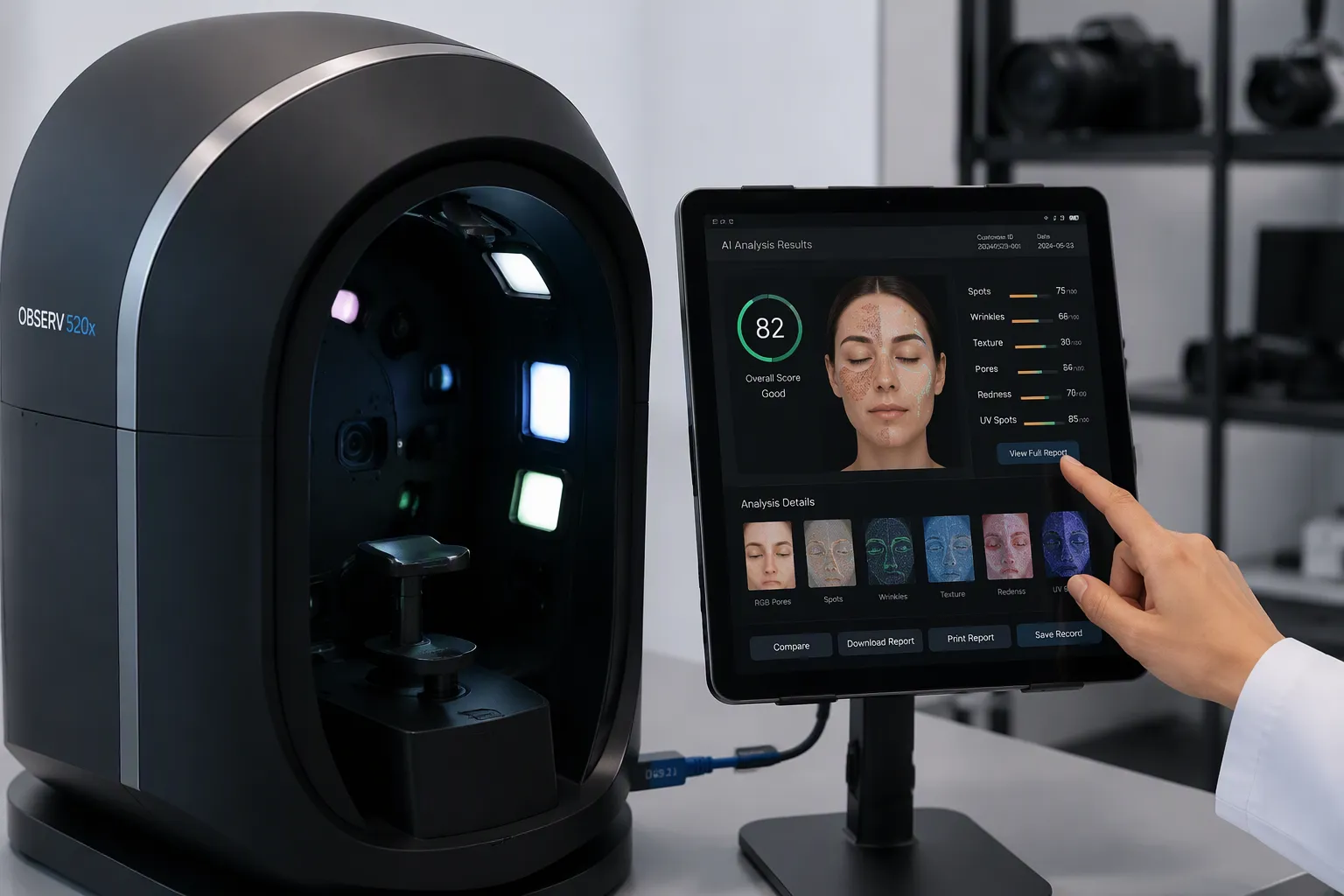
A 3D skin analysis machine typically costs between $200 and $30,000 or more. I checked dozens of listings, and the average price sits near $6,000. Brand, features, and condition drive that spread. A new device from a known manufacturer costs far more than a refurbished unit. Camera resolution alone can double the price. I will show you where each price tier begins, which fees vendors hide, and how to save money without losing quality. Entry-level scanners start cheap. Professional systems climb fast. Your budget should match your clients, not a sales pitch. Smart buyers compare quotes before they sign anything.
Key Takeaways
●Prices range from $210 to $30,000. Entry-level machines cost under $3,000. Mid-range systems cost $3,000 to $8,000. High-end devices cost $8,000 to $30,000 or more.
●Hidden costs add up. Software subscriptions, calibration fees, and training charges can surprise you. Always ask for written details before you buy.
●Leasing lets you test a high-end system without a large upfront payment. Lease terms run from 12 to 60 months. This suits startups and seasonal clinics.
●Match the machine to your clients and service goals. A cheap machine that cannot serve your clients wastes money. A well-matched system pays for itself.
●Request quotes from multiple vendors. Compare hardware specs, software terms, and support plans side by side. Factory-direct sources often beat retail prices.
Price Tiers for 3D Skin Analysis Machines
I found a wide spread when I compared listings across marketplaces. The overall market range runs from $200 to $30,000, based on my review of product listings. The average price sits at $6,000. That average hides a lot of variation. Some machines sell for less than a smartphone. Others cost as much as a used car. I group these devices into three tiers: entry-level, mid-range, and high-end. This section covers the first two tiers.
Entry-Level Machines
Entry-level machines serve home users and small clinics. These devices focus on basic imaging and simple reports. A buying guide shows home-use 3D skin analyzers range from $200 to $800. Portable handheld devices climb to $1,500–$6,000. Several options sit under $3,000. Here are real examples I collected:
| Model | Price Range |
|---|---|
| Visia 3 Camera (48MP) | $500–$999 |
| Professional AI 3D Dermatoscope Scanner | $890–$990 |
| Professional AISIA Q1 Skin Analyzer | $950–$1,188 |
| New Face Scanner Q1 | $1,180–$1,250 |
| Star Test X5 Pro Portable | $1,099–$1,349 |
| 6th Generation Visia Skin Analysis Machine | $1,500–$1,650 |
These machines handle surface and subsurface imaging with 3D multi-spectral technology. They provide quantitative analysis of wrinkles, pores, texture, and UV spots. Training needs run moderate to high because operators must learn software and calibration. Certifications like ISO, CE, and FDA add value at this tier.
Mid-Range Machines
Mid-range devices with advanced features like 3D imaging or AI analysis usually cost between $3,000 and $8,000. I see this tier as the sweet spot for professional clinics. These systems offer multi-light imaging and AI analysis. Desktop clinical analyzers in the $3,000–$10,000 band include multi-spectral imaging across visible, UV, and cross-polarized light. They also feature 3D imaging, EMR integration, and comprehensive reporting. A desktop analyzer at roughly $4,500 provides multi-spectral imaging, 3D mapping, and PDF reporting.
VISIA units sit at the top of this tier. The Canfield Visia 7th Generation lists at a sale price of $5,520.00, down from $11,040.00. That discount brings a premium brand within reach. A single machine can pay for itself through session fees over time.
Factory-direct sources change the math. Meicet (https://www.meicet.com/) offers factory-direct pricing on 3D skin analysis equipment. Buying direct cuts out distributor markups. I recommend requesting a quote from manufacturers before committing to retail prices.
High-End Systems and What They Offer
Advanced Systems
High-end systems deliver the most detailed skin data. VISIA 3D stands as the gold standard in this tier. The system uses a rotating capture module with multi-point positioning. This design produces consistent, standardized photos every time. Three lighting modes power the analysis: IntelliFlash (standard white), cross-polarized, and UV. The machine builds a 3D map of the skin using AI algorithms. It quantifies eight skin features: spots, wrinkles, texture, pores, UV spots, brown spots, red areas, and porphyrins. A large skin feature database provides age, gender, and ethnicity percentile scores. The system also simulates aging and treatment outcomes. RBX Technology enhances red and brown component visualization. Integrated 3D Sculptor tools handle automated measurements, contouring, volume difference visualization, and treatment simulation. Liton Laser offers a factory-sales option for 3D AI facial skin analysis machines. Factory-direct buying cuts distributor markups on these premium devices.
What 3D Skin Analysis Offers at the Top Tier
Top-tier 3D skin analysis goes far beyond basic imaging. These systems provide aging simulation and measurable progress tracking. Basic aging simulation shows how skin looked 5–7 years ago or projects 5–7 years ahead. This reveals the progression of spots and wrinkles. Advanced simulation goes further. It models skin progression from ages 18–80 based on current age. This helps practitioners customize a plan to minimize future negative outcomes. Progress tracking works through standard follow-up. Clinics repeat the analysis every 3–4 months to measure the impact of recommended solutions.
| Capability | Tier/Type | Description |
|---|---|---|
| Aging Simulation | Basic | Shows skin 5–7 years ago or projects 5–7 years ahead to reveal spot and wrinkle progression. |
| Aging Simulation | Advanced | Simulates skin progression from ages 18–80 (front-facing only) to customize a prevention plan. |
| Progress Tracking | Standard follow-up | Repeats analysis every 3–4 months to track changes and measure solution impact. |
These features turn a single scan into a long-term treatment roadmap. Clients see real evidence of improvement. That evidence builds trust and keeps them returning.
Factors That Affect the Cost
Hardware and Software
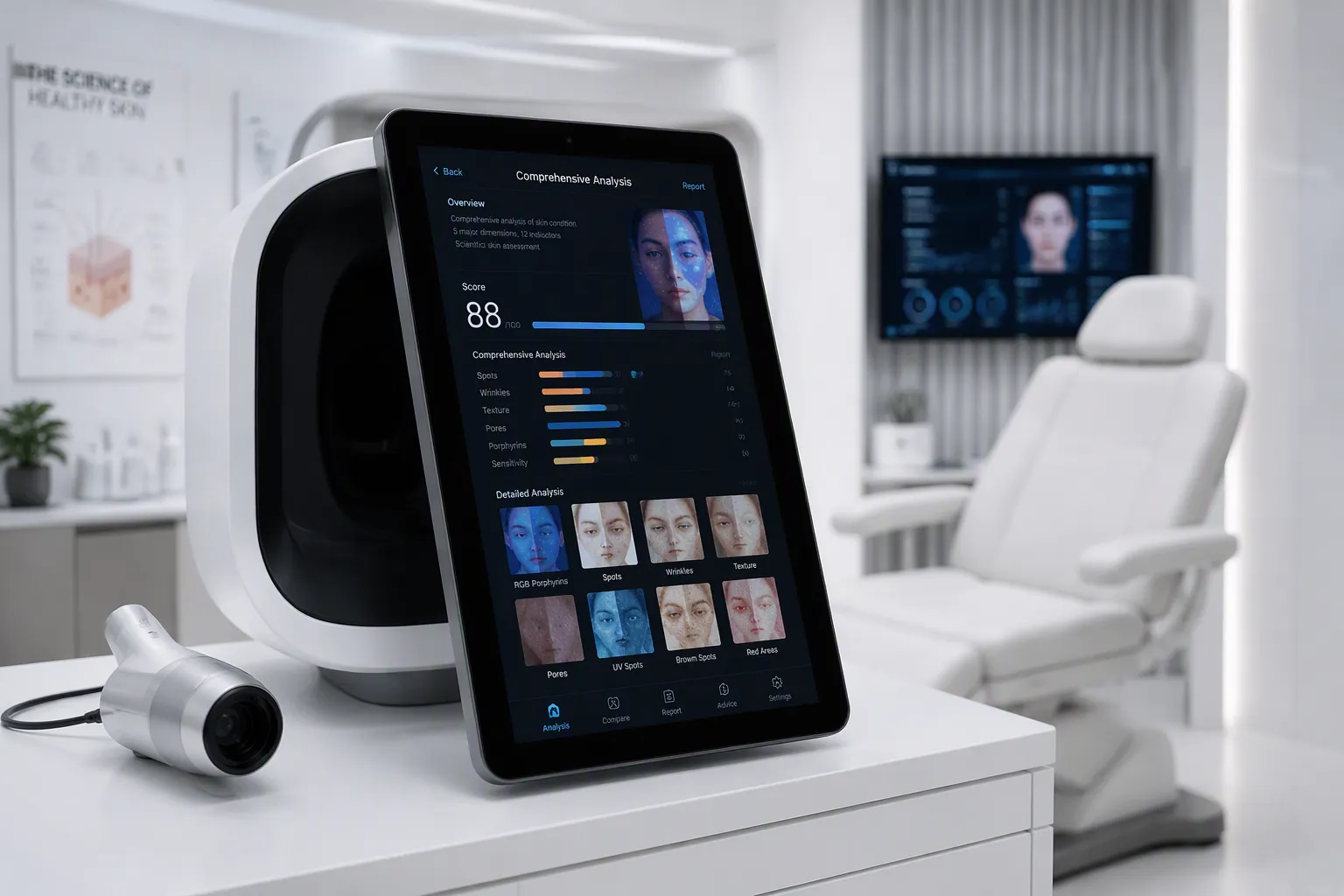
I see several hardware components that directly drive the price. Camera resolution stands as the first major cost driver. Higher-end sensors increase cost. Resolution must stay high to avoid blurry images. A blurry scan destroys diagnostic credibility. High-resolution imaging increases the price.
Multi-spectral imaging adds another layer of cost. Clinical-grade systems require true UV lighting and cross-polarized lighting. These specialized light sources cost more than standard white LEDs. Some machines use multi-spectrum imaging technology. That array spectrum approach provides comprehensive skin analysis. The hardware to support multiple light spectrums is expensive. A deep physical hood blocks ambient light and ensures repeatable lighting. That hood design adds to manufacturing complexity. Some systems include a 21.5-inch tablet and USB-3.0 data cable. These components add to the total hardware bill.
Software capabilities drive the price just as much as hardware. AI analysis detects specific skin concerns. The machine creates tailored plans based on individual issues. This AI software adds significant cost. Report generation tools produce customizable reports with product suggestions. Vendors often offer this feature as an optional upgrade at additional cost. Advanced software can simulate aging and track progress over time. These features require complex algorithms and large databases. The development cost passes directly to the buyer.
Regulatory compliance costs also factor into the price. Approval processes are complex and region-specific. AI algorithm validation requires extended timelines. Clinical trials and compliance testing add to the final price tag. The global market faces challenges such as high device costs, lack of skilled professionals, and data privacy concerns.
Brand, Condition, and Warranty
Brand reputation explains a large part of the price difference for any 3D skin analysis machine. Premium brands command higher prices. Customers trust established names in medical imaging. That trust allows premium brands to charge more for their systems. Lesser-known brands offer similar hardware at lower prices. Factory-direct sources like Meicet cut out distributor markups. I recommend comparing brand value against your practice needs.
Condition creates another price split. New machines come with full warranties and latest software. Refurbished units cost significantly less. But refurbished devices may have older sensors or limited software features. Check the warranty terms carefully before buying used.
Warranty and support plans add ongoing costs. A comprehensive warranty protects your investment. Extended support plans cover software updates and technical assistance. Some manufacturers bundle training and support into the initial price. Others charge separately. Training costs for operators can add hundreds or thousands of dollars. Staff need to learn software and calibration. Operational costs include calibration, periodic upgrades, data management, and system integration. These ongoing costs can add up each year.
Integration with existing clinic systems also affects total cost. Compatibility issues with current IT infrastructure create extra expenses. Specialized training reduces the risk of operational errors. Lack of standardized interoperability protocols adds complexity. Technical failures can disrupt workflow and cost money. These integration challenges raise both upfront and ongoing expenses for your practice.
I suggest evaluating total cost of ownership, not just the purchase price. A cheaper machine with high support costs may cost more over time than an expensive machine with bundled support. Request itemized quotes from multiple vendors. Compare hardware specs, software capabilities, warranty terms, and support plans side by side. This approach helps you find the best value for your budget.
Hidden and Ongoing Costs
Software and Calibration Fees
The purchase price rarely covers everything. I always ask vendors about annual software licenses before I sign anything. Many low-cost hardware suppliers recover their margin through subscriptions. Buyers should clarify license coverage and year-two costs upfront. Some brands charge yearly fees just to keep the analysis software running. Others, like ImagePro skin analysis machines, offer free software updates without annual licensing fees. That difference matters over a five-year ownership period.
Calibration fees add another layer. Machines drift over time, and sensors need periodic recalibration to stay accurate. Some vendors include calibration in the warranty. Others charge per service visit. Mandatory software updates can also carry fees. I recommend getting every one of these costs in writing.
Q: How can I verify the software won’t expire or require hidden licensing fees? A: Require written confirmation of the software license terms, specifying perpetual versus subscription models. During the video inspection, ask the technician to navigate to the admin settings. Verify visually that no unauthorized expiration timers exist.
Here are the hidden costs I see most often:
| Hidden Cost | Explanation |
|---|---|
| Software renewals | Low-cost hardware suppliers often recover margin through subscriptions; buyers should clarify license coverage and year-two costs. |
| Weak support | Slow supplier response when calibration drifts or the app fails leaves the machine idle; warranty and response time should be verified before purchase. |
| Tablet dependency | Some scanners require the clinic to provide a compatible tablet or computer, an added cost avoided when the device has its own screen. |
| Missing documentation | Licensing or insurance may require paperwork; without it, the machine can sit unused while competitors continue treating patients. |
Training and Consumables
Training costs catch many buyers off guard. Staff need to learn the software, the calibration routine, and how to read 3D skin analysis reports. Some vendors charge for on-site training. Others provide video tutorials only. I suggest asking whether training is included or billed separately. Consumables add up too. Disposable face covers, calibration tools, and cleaning supplies are small expenses that recur monthly. Technical support plans represent another ongoing cost. A slow supplier response when the app fails leaves your machine idle. Some manufacturers like Meicet may bundle training or support into the initial price. That bundling can save hundreds of dollars in the first year.
Tips for Choosing Within Budget
Leasing and Bundled Packages
Leasing lets you test a high-end system without a large upfront payment. One vendor, ImagePro SUNLITE, offers leasing for its skin camera analysis system starting at $313 per month. That offer includes no annual licensing fees, unlimited 1:1 training and support during the warranty period, and free automatic system updates. Those extras improve the overall value of the lease. Lease terms for 3D skin analysis equipment typically run from 12 to 60 months. That range suits startups and seasonal clinics that want to test market demand first. Refurbished units from reputable suppliers may cut expenses, but you should check warranty coverage carefully.
Bundled packages deserve the same attention. I always ask whether software, training, and warranty sit inside the quoted price. A bundle that includes all three often beats a cheaper machine with separate fees. Before you buy, define your specific needs and consultation workflow. Then weigh total cost of ownership, not just the sticker price. Software subscriptions, cloud storage, calibration, training, and replacement parts all add up. Match the machine to your use case. Professional consultations need standardized imaging and detailed reports. High-volume clinics need speed and repeatability. Home users prioritize affordability.
Comparing Quotes from Vendors
I never accept the first quote I receive. Requesting quotes from multiple vendors reveals how much room each one has on price. Factory-direct sources often beat retail distributors. One supplier states:
We offer competitive factory-direct pricing. Secure your X5 Pro Ai skin analysis machine now.
That direct model cuts out middleman markups. Here is a factory-direct example I found:
| Vendor | Product | Price Range (USD) |
|---|---|---|
| Tianjin Manmei Technology Co., Ltd. | Factory Direct Sale Analysis Machine Face Portable Skin 3D Facial Home Use Analyzer New Ai | $1,600 – $1,645 |
The listing labels this vendor as “Factory Direct Sale,” which signals competitive pricing. I also recommend contacting Meicet and Liton Laser for quotes. Compare hardware specs, software terms, and support plans side by side. Ask each vendor for validation documentation and repeatability metrics. Confirm the device supports 3D imaging, ghost mode for comparative analysis, and analysis of darker skin tones. Require a technical support response within 48 hours. These checks keep your budget honest and your machine useful.
Prices fall into three tiers. Entry-level machines cost under $3,000. Mid-range systems run $3,000 to $8,000. High-end devices reach $8,000 to $30,000 or more. The average sits near $6,000. I remind buyers that ongoing costs add up. Software subscriptions and calibration fees can surprise you. Request quotes from multiple vendors. Compare leasing options and bundled packages. These steps keep your budget honest. One final tip matters most. Match the machine’s features to your client base and service goals. Do not chase a price tag alone. A cheap 3D skin analysis machine that cannot serve your clients wastes money. A well-matched system pays for itself.
FAQ
What entry-level machines cost under $3,000?
Entry-level machines start around $500. I found options up to $1,650. These devices handle basic 3D multi-spectral imaging. They suit home users and small clinics best.
What hidden costs surprise most buyers?
Software renewals, calibration fees, and training charges add up. I always ask vendors for written details on these costs before I buy. Some manufacturers bundle support into the initial price.
Can I lease a high-end system instead of buying?
Yes. One vendor offers leasing at $313 per month. Lease terms run from 12 to 60 months. This lets you test premium features without a large upfront payment.
Should I buy factory-direct or from a retailer?
Factory-direct sources cut out distributor markups. I recommend requesting quotes from manufacturers like Meicet alongside retail prices. Compare hardware specs and support plans side by side.
What features justify spending $8,000 or more?
High-end systems deliver aging simulation, progress tracking, and detailed 3D mapping. These features turn a single scan into a long-term treatment roadmap.
Post time: Sep-28-2026


