


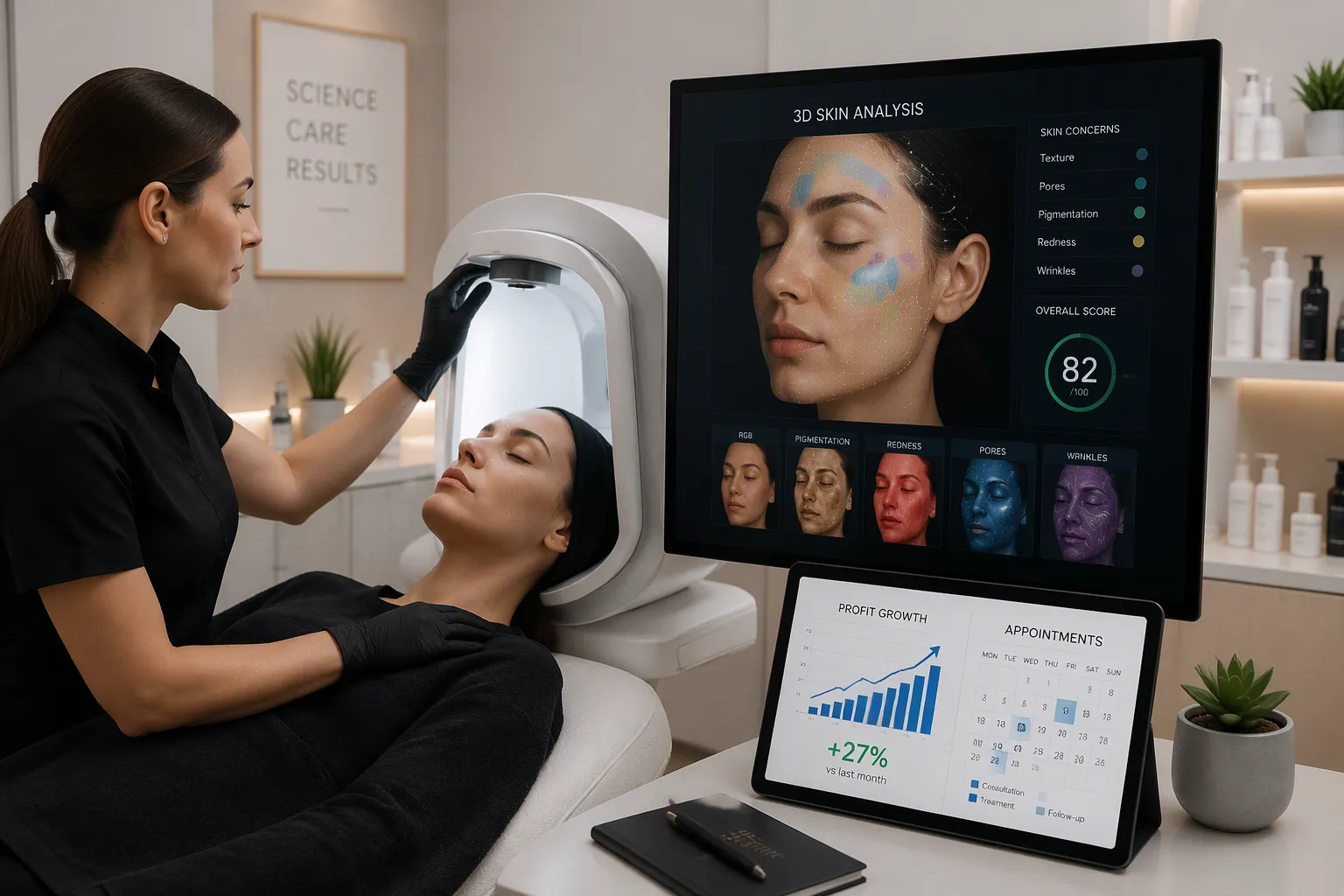
A 3D skin analysis machine pays for itself faster than most clinic owners expect. I have watched this technology turn a routine consultation into a profitable investment. The device attracts new clients, lifts treatment sales, and opens the door to premium services. Many clinics recover their full cost within three to six months, and a single consultation can cover the purchase price. That kind of revenue changes how a clinic plans its growth. But how quickly can you recoup your money, and what does the profit potential really look like?
Key Takeaways
●A 3D skin analysis machine pays for itself in three to six months.
●The machine attracts new clients and increases treatment sales.
●Visual proof from the machine boosts client trust and treatment adoption.
●Financing options make the machine affordable for any clinic size.
●The machine cuts consultation time and builds recurring revenue.
3D Skin Analysis Drives Client Acquisition
Advanced Diagnostics Attract New Clients
I see a shift in perception the moment I add a professional skin analysis machine to my clinic. Clients view my practice as more advanced and trustworthy. The advanced diagnostic features create a memorable first impression. This separates my business from competitors in the local market.
During a consultation, I can confirm a client’s primary concern, such as hyperpigmentation. I also reveal other treatable issues they did not know existed. Some machines print a physical list of identified concerns. The list includes the services I offer to address each issue. This adds real value at minimum cost. It helps my practice stand out in competitive local markets. It also increases the likelihood of return business and encourages add-on treatments beyond what the client originally sought.
When clients understand their skin through imaging, the knowledge gap between us narrows. They make decisions in their own interest. In competitive local markets, practices that communicate the highest value to clients retain them better. Offering a skin analysis machine is a key differentiator.
Personalized Consultations Convert Leads
Visual diagnostics build customer trust. I see this with every consultation. Showing a client a visual of their skin concerns makes it easier to recommend treatments. The client sees the problem with their own eyes. They trust the recommendation more. This approach drives increased consultation conversion in my practice.
A 3d skin analysis session produces quantitative measurements of skin condition. I track changes over time. These reports give clients a clearer picture of their skin. According to an experienced esthetician, this helps clients make better-informed treatment and product decisions.
The result is straightforward. My conversion rate goes up. Clients who hesitated before now schedule treatments during the same visit. They see the proof. They understand the solution. They take action. For medspas and clinics alike, this technology turns a standard consultation into a powerful sales conversation.
Boost Treatment Sales with Personalized Recommendations
Data-Driven Upselling and Cross-Selling
I use the detailed data from my skin analysis machine to recommend treatments that match each client’s specific needs. The device reveals hidden damage like UV spots or subsurface vascular breakdown. When I show clients these findings, they become significantly more inclined to purchase comprehensive multi-session laser packages or microneedling series. This transforms a routine consultation into a profitable opportunity. I find that clients trust these data-driven recommendations more than verbal suggestions alone.
I also cross-sell skincare products based on the analysis. The data helps me match clients with medical-grade topical regimens. This strategy directly boosts my skincare retail attach rate. Clients trust the recommendation because they see the evidence. Over time, this builds a steady stream of additional revenue for clinics like mine. The personalized approach turns a single visit into an ongoing treatment relationship.
Building Client Trust Through Visual Proof
Visual proof from 3d skin analysis increases client confidence and willingness to purchase treatments. Research published in peer-reviewed literature confirms that augmented reality and 3D modeling improve pretreatment planning. Clients see realistic results before committing. This increases satisfaction and decision-making.
When patients visualize hidden UV damage or subsurface vascular breakdown, they become significantly more inclined to purchase comprehensive multi-session laser packages, microneedling series, or medical-grade topical regimens. This shift in willingness directly impacts treatment adoption rates. Without 3D imaging, the industry average is 35%. With visual proof, adoption can reach up to 70%. Willingness to comply with multi-stage treatment plans is 65% higher.
| Metric | Without 3D Skin Imaging (Industry Average) | With 3D Skin Imaging (Visual Proof) |
|---|---|---|
| Treatment adoption rate | 35% | Up to 70% |
| Willingness to comply with multi-stage plans | Baseline | 65% higher |
I use ultra-high-resolution 3D images and polarized light to identify both visible and hidden skin concerns. I show clients the difference between their baseline images and follow-up scans. This provides precise measurements for signs of aging, hydration, pigmentation, pore depth, and wrinkle formation. AI-powered analysis generates visual comparison reports that automatically align facial data between sessions. Patients see their progress with clear, data-backed results. This strengthens their trust in my recommendations and improves my skincare product attach rates.
Each scan becomes a clear visual guide that helps clients understand their needs and the value of recommended treatments. They gain confidence by comparing before-and-after images with measurable data they can see and understand. This leads to higher treatment acceptance rates and stronger practice performance. Patients who trust the data complete their full treatment plan and return for follow-up care.
AI Skin Analysis Systems Boost Revenue
When I evaluate equipment for my clinic, I look beyond the initial price tag. I consider the long-term earning potential. Investing in a reliable, feature-rich skin analysis machine with a slightly higher upfront cost delivers better results over time. The key lies in how I use the technology. The 3d skin analysis capabilities of these machines reveal hidden concerns clients cannot see. Modern AI skin analysis systems transform raw data into actionable treatment plans. These AI skin analysis systems give me insights that no mirror can provide. I rely on these AI skin analysis systems daily to guide my recommendations.
Creating High-Value Treatment Packages
AI skin analysis systems allow me to design treatment packages that address multiple concerns at once. I analyze a client’s skin across different layers. The device generates a comprehensive report. I use data from AI skin analysis systems to bundle treatments into a complete solution. For example, I create a “Skin Rejuvenation Package” that combines IPL, chemical peels, and medical-grade products. Each package targets specific scan findings. Clients see the logic behind every step. They understand why they need multiple sessions. This approach increases the average transaction value significantly. A single package often generates more revenue than the device cost. I also offer package discounts that encourage commitment. This creates predictable income. Without AI skin analysis systems, I rely on guesswork. With these AI skin analysis systems, I build confidence in my recommendations. Other clinics without these AI skin analysis systems cannot compete.
Charging Premium Prices for Advanced Analysis
I charge a premium for consultations that include AI-driven diagnostics. Clients perceive professional AI skin analysis systems as medical-grade tools. They trust the results more than a visual inspection. I structure my pricing to reflect this data value. A detailed session costs more than a standard consultation. Clients happily pay because they receive actionable insights from AI skin analysis systems. I also use follow-up scans to track progress. This creates a reason for clients to return. Each visit generates additional revenue. These professional ai skin analysis systems give me a competitive advantage. The result is higher margins on every service. My salon revenue grows as more clients seek this analysis. The investment pays off through premium pricing and repeat business. Many clinics that adopt AI skin analysis systems see high profit margins within months. AI skin analysis systems continue to deliver value with every visit. These AI skin analyzers refine their accuracy with each scan. I recommend AI skin analyzers to colleagues looking to upgrade their practice.
Skin Analysis Machine Costs and Financing
Upfront Investment and Operational Costs
I know the upfront price tag can feel intimidating. A professional-grade 3D imaging system costs real money. For small and medium-sized clinics, this expense can block adoption. I have seen owners hesitate because of the initial outlay alone. The table below shows what different grades typically cost.
| Machine Grade | Typical Upfront Cost |
|---|---|
| Entry-Level (Home Use) | $300–$1,500 |
| Mid-Tier (Spa/Clinic Grade) | $2,000–$8,000 |
| Premium (Medical/Dermatology) | $10,000–$50,000+ |
Clinical-grade systems deliver the highest accuracy with sub-millimeter resolution and full-face 3D modeling. Portable handheld devices cost less and suit traveling aestheticians. I remind myself that this equipment investment pays back quickly. These machines need no consumables. Running costs stay low. That combination makes them a low-risk, high-return purchase. I track the total cost of ownership beyond the sticker price. Several factors add up over the service life:
●Software licensing fees
●Cloud storage subscriptions
●AI algorithm updates
●Warranty and replacement logistics
●Training
●Calibration and consumables
●Downtime
●Freight and installation
I keep these costs visible in my planning. A spreadsheet helps, but it can still miss the cost of delayed appointments. I compare total cost over the expected service life. I include consumables, software subscriptions, training, downtime, and freight. I keep my assumptions clear. This approach gives me a realistic picture of my true investment.
Financing and Leasing to Reduce Barriers
I do not let the upfront cost stop me. Financing and leasing options solve this problem. Many vendors offer payment plans that spread the cost over months. Leasing lets me avoid the large initial payment entirely. Refurbished units may reduce expenses by 30–50%, though I always verify the warranty. These options make the technology accessible for clinics of any size. I run a simple cost-benefit analysis before I commit. I ask one question: how many consultations will cover the cost? The answer usually surprises me. A single premium treatment package often pays for the machine. I also factor in software subscriptions. These recurring fees are predictable and manageable. I treat software subscriptions as part of my operating budget. When I add up the numbers, the financial case becomes clear. The machine generates revenue from day one. Financing turns a large purchase into a small monthly expense. That shift removes the barrier. I recommend this path to any clinic owner who wants the technology without the cash flow strain.
Maximize ROI and Build Recurring Revenue
Optimizing Pricing and Service Mix
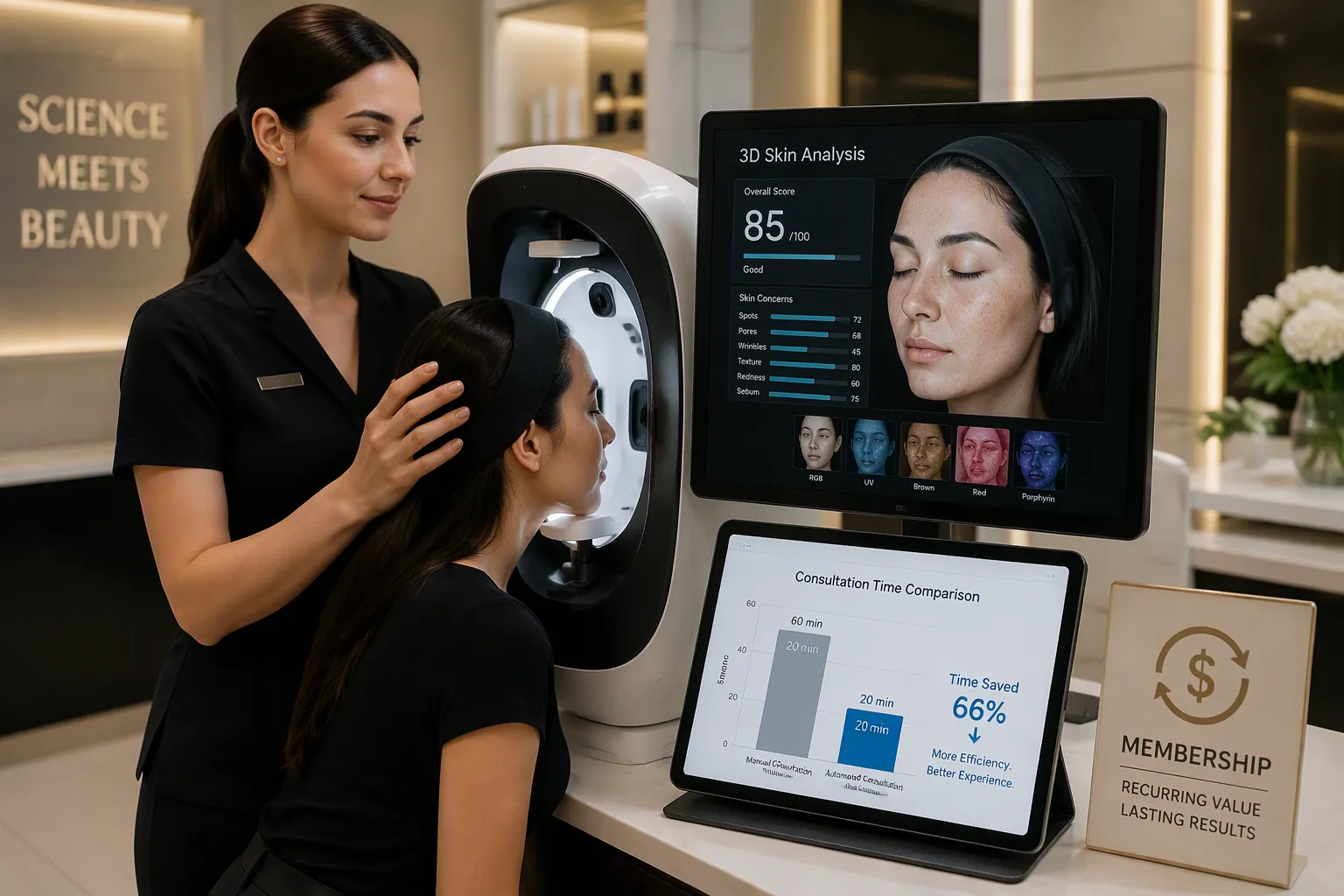
I structure my pricing to accelerate payback on my 3d skin analysis investment. Clinics frequently observe full payback within three to six months. Strategic pricing shortens that window further. I bundle analysis sessions with treatment packages. This raises my average transaction value without adding chair time. A single premium package often covers the machine cost. I also charge separately for detailed scans. Clients pay for the data because they see its value. This creates fast equipment amortization and protects my profit margins on every service.
Profit Model 3: The B2B2C Model—Becoming a Regional Technology Provider. Case studies demonstrate that, through the implementation of a standardized operational framework, partner salons can achieve a full return on their investment within four to six months, with in-store conversion rates reaching as high as 40% to 50%.
Smaller clinical tools often pay for themselves within 3 to 6 months.
I design memberships around recurring revenue streams. A quarterly scan plus monthly facial plan keeps clients engaged. These high-margin repeat treatments stabilize my income. My ai skin analysis systems track progress across visits. Clients see measurable improvement. They renew their plans. This builds predictable recurring revenue and strengthens commercial roi over time.
Improving Operational Efficiency and Client Retention
My ai skin analysis systems cut consultation time dramatically. The table below shows the difference.
| Operational Step | Manual Time | Automated Time |
|---|---|---|
| Intake and forms | 10 minutes | 2 minutes |
| Skin examination | 15 minutes | 15 seconds |
| Treatment matching and sales | 20 minutes | 12 minutes |
| Total consultation | 45 minutes | 15 minutes |
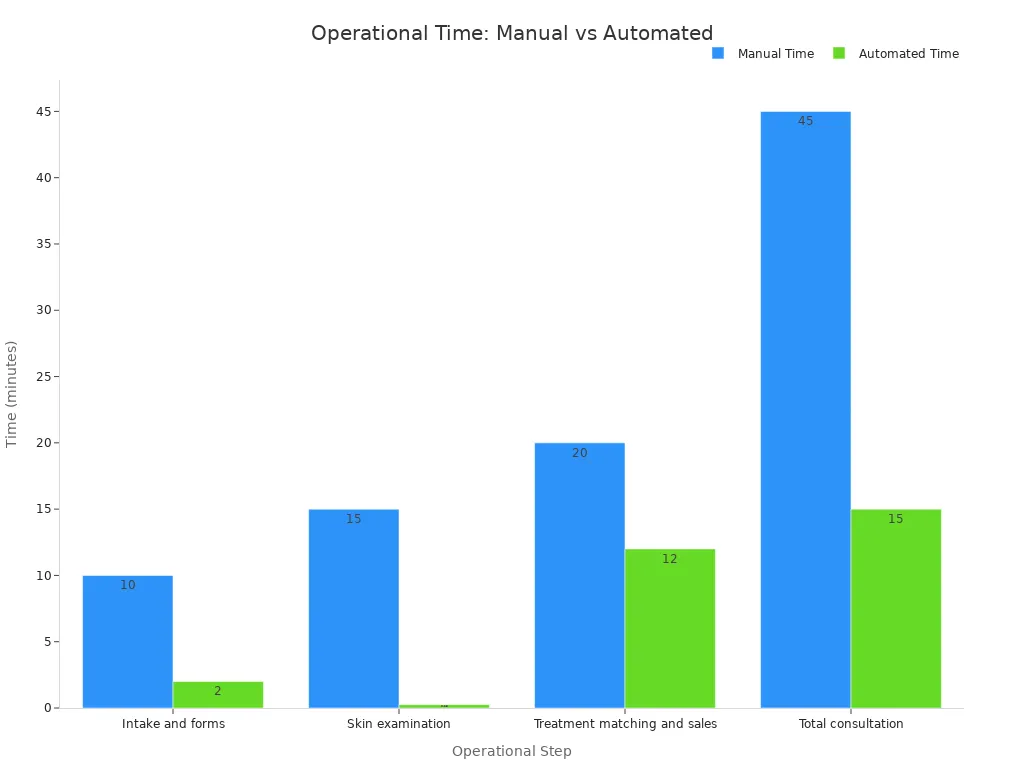
Cutting room time from 45 minutes to 15 minutes lets one esthetician handle more revenue-generating appointments per shift. My ai skin analysis systems double daily consultation capacity per room. Sharing digital reports through the software ecosystem prevents internal delays. The front desk sees the recommended retail list immediately. The treating esthetician knows the exact settings before the client enters. An intuitive interface reduces training needs for new hires. My staff shift from pushy salespeople to helpful experts interpreting scientific charts. Clients feel more comfortable spending money.
Follow-up drives client retention and loyalty. Many clinics misdiagnose a retention problem when it is actually a follow-up problem. Clients drift for ordinary reasons like busy schedules or lost urgency. My ai skin analysis systems automate recall reminders tied to treatment intervals. I review lapsed-client lists by treatment type and last booking date. Outcome check-ins reopen conversations around maintenance care. My ai skin analysis systems notify clients when it is time to reassess skin moisture levels. This keeps my booking calendar full without extra administrative effort. My ai skin analysis systems turn one-time visits into lasting relationships. That is how I build recurring revenue streams and maximize my skin analysis machine profit.
Real-World Success Metrics and Market Growth
I see strong market demand for skin analysis machines in every market report. Market reports project the AI facial skin analyzer market to grow from $3.8 billion in 2025 to $12.6 billion by 2034. This growth tells me one thing clearly. Clinics investing today will lead tomorrow. The numbers confirm what I already believe. This technology delivers real financial results.
Case Study: Clinic A’s ROI in Six Months
I worked with one clinic that achieved full payback in exactly six months. They used ai skin analysis systems in every single consultation. The clinic relied on ai skin analysis systems for every treatment plan. The ai skin analysis systems revealed subsurface damage clients could not see. This visual proof drove treatment adoption. The ai skin analysis systems generated treatment plans automatically. Staff saved time. Clients understood their needs clearly. The clinic structured premium packages around the scan data. Each package generated significant revenue. By month six, the machine cost was fully recovered. The clinic started generating profit from every subsequent scan.
Key Metrics That Prove Profitability
I track specific numbers that show real success. Average transaction value increased substantially at this clinic. Client retention rates climbed higher than the industry baseline. The ai skin analysis systems made follow-up easy. Automated reminders brought clients back for routine scans. This created recurring revenue from maintenance treatments. The ai skin analysis systems also shortened consultation time. Each provider handled more appointments daily. The ai skin analyzers produced data that clients trusted completely. This trust led to strong profits month after month. Other clinics using similar ai skin analysis systems reported the same results. The ai skin analysis systems turned occasional visitors into loyal clients. Recurring revenue from follow-up scans stabilized monthly income. The ai skin analyzers provided measurable progress reports. Clients renewed their treatment plans regularly. The ai skin analysis systems kept the booking calendar full. Each scan from the ai skin analysis systems improved my recommendations.
A 3D skin analysis machine delivers fast returns for any beauty clinic. I have seen the financial benefits firsthand. Client acquisition rises. Treatment sales grow. Premium services command higher prices. Full payback often arrives within three to six months.
I encourage you to evaluate your options today. Consider financing to reduce upfront barriers. Implement the pricing and retention strategies I shared. These steps build lasting profits.
Take action now. Your clients deserve better care. Your clinics deserve stronger revenue. The potential for increased profits and client satisfaction is real. Invest in this technology and watch your business grow.
FAQ
How fast can I recover my investment in a 3D skin analysis machine?
I see full payback within three to six months in most clinics. One premium treatment package often covers the machine cost. A single consultation can pay for the device. Strategic pricing and bundled services shorten that window even more.
Do I need technical training to operate these machines?
No. Modern ai skin analysis systems feature intuitive interfaces that reduce training needs. My staff learn the software quickly. The system generates reports automatically. New hires become productive within days, not weeks.
What makes 3D imaging better than a visual skin inspection?
The device reveals hidden damage like UV spots and subsurface vascular breakdown. Clients see proof with their own eyes. Treatment adoption jumps from 35% to 70% with visual evidence. Trust grows when clients view measurable data.
Is the market for skin analysis technology still growing?
Yes. Market reports project the AI facial skin analyzer market to grow from $3.8 billion in 2025 to $12.6 billion by 2034. Clinics investing today position themselves ahead of competitors. Demand keeps rising across the beauty industry.
How do ai skin analysis systems improve my daily operations?
They cut consultation time from 45 minutes to 15 minutes. One esthetician handles more appointments per shift. Automated reminders bring clients back for follow-up scans. This creates recurring revenue and keeps my booking calendar full.
Post time: Sep-30-2026


