


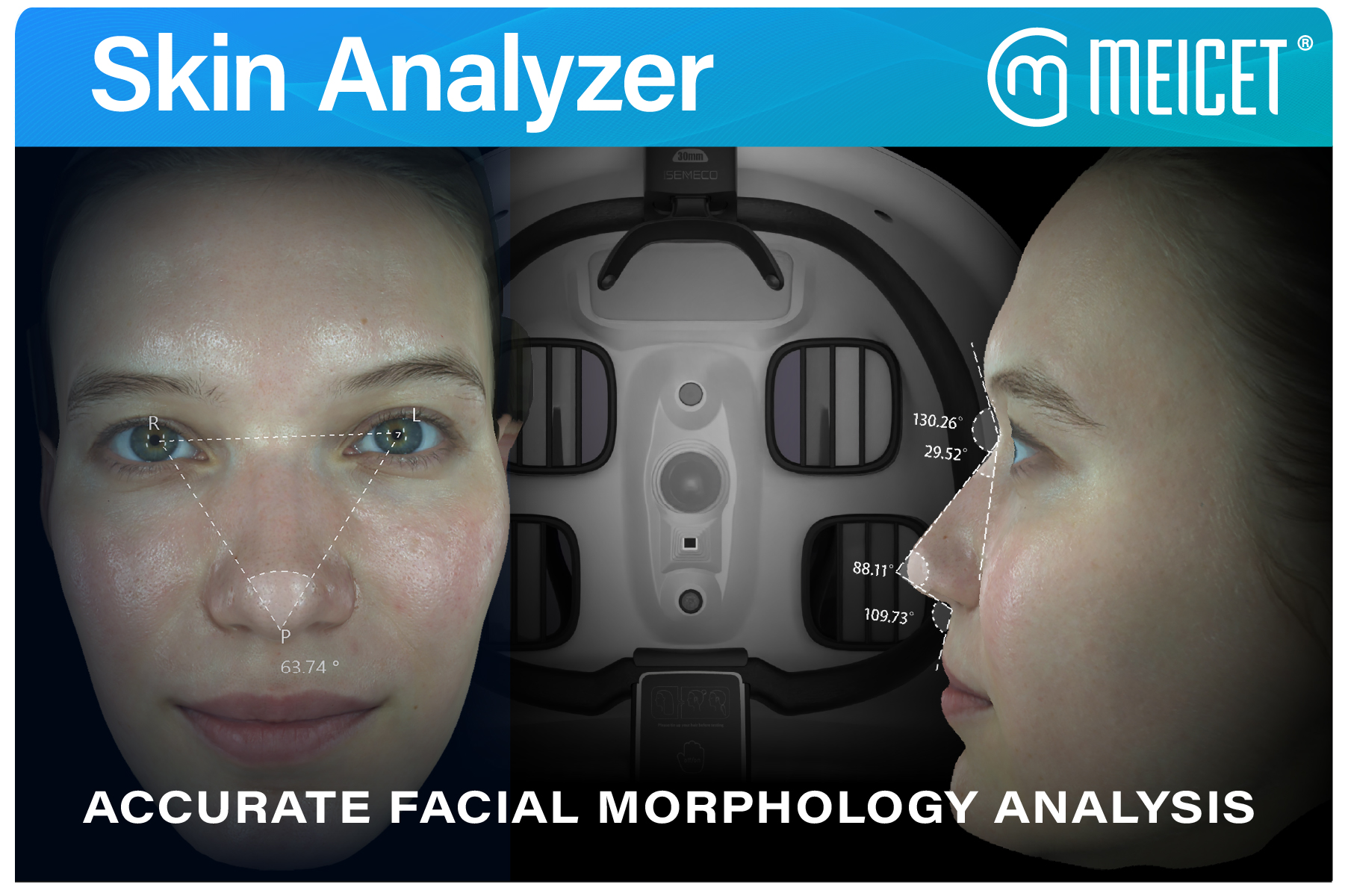
A Skin Analyzer uses advanced imaging and ultraviolet light to detect skin features. AI software processes these images to map conditions like pores and pigmentation.
The global skin analysis market is projected to reach $1.95 billion by 2025.
- Portable skin analyzers show steady sales growth, reflecting increased demand for personalized skincare.
Key Takeaways
- Skin analyzers use advanced imaging and AI to provide detailed assessments of skin conditions, helping users understand their skin health better.
- Regular monitoring with skin analyzers allows for personalized skincare adjustments, ensuring treatments are effective and tailored to individual needs.
- The technology supports both professionals and home users, making advanced skincare accessible and enhancing overall satisfaction with skincare routines.
Skin Analyzer Technology
Imaging Systems and Light Sources
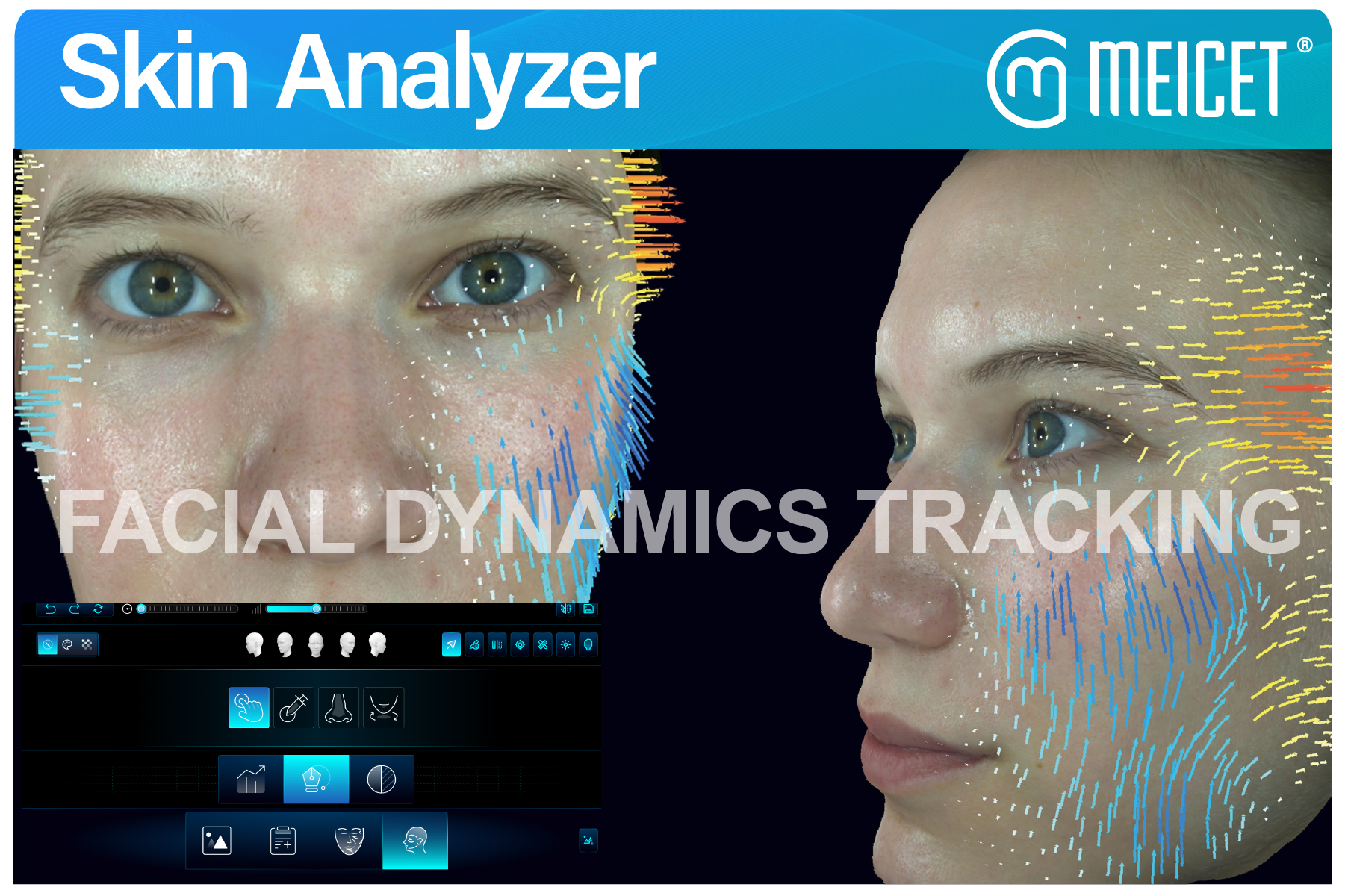
Modern Skin Analyzer devices rely on advanced imaging systems and specialized light sources to reveal skin features. These technologies include multispectral imaging, RGB photography, ultraviolet (UV) light, and polarized light.
- Multispectral imaging uses several light sources with different wavelengths to illuminate the skin. This method targets key skin chromophores and provides detailed information about pigmentation and vascular structures.
- Polarized light systems help reduce glare and expose deeper skin issues, making it easier to analyze texture and underlying conditions.
- UV imaging is valuable for detecting sun damage and changes not visible to the naked eye.
- High-resolution cameras capture images under various lighting conditions, allowing the Skin Analyzer to collect data from below the skin surface.
| Imaging Method | Contribution to Skin Detection Accuracy |
|---|---|
| Multispectral Imaging | Visualizes pigmented structures and maps chromophore content for lesion differentiation |
| UV and White Light LEDs | Helps distinguish skin tumors using color image histograms |
| RGB Photography | Evaluates and differentiates skin cancer lesions |
AI and Image Processing
Artificial intelligence and image processing play a crucial role in Skin Analyzer technology. Machine learning models are trained on large datasets of skin images to detect patterns linked to skin conditions. Deep learning, especially convolutional neural networks, can identify micro-wrinkles and early pigmentation changes with high accuracy.
Computer vision segments specific skin areas and measures factors like texture, hydration, and elasticity.
Common algorithms include skin type and melanin index analysis, machine learning-based disease diagnosis, and adaptive deep learning systems.
Studies show that AI can improve diagnostic accuracy and sensitivity for skin lesion classification, supporting both users and professionals in making informed decisions.
Skin Detection Process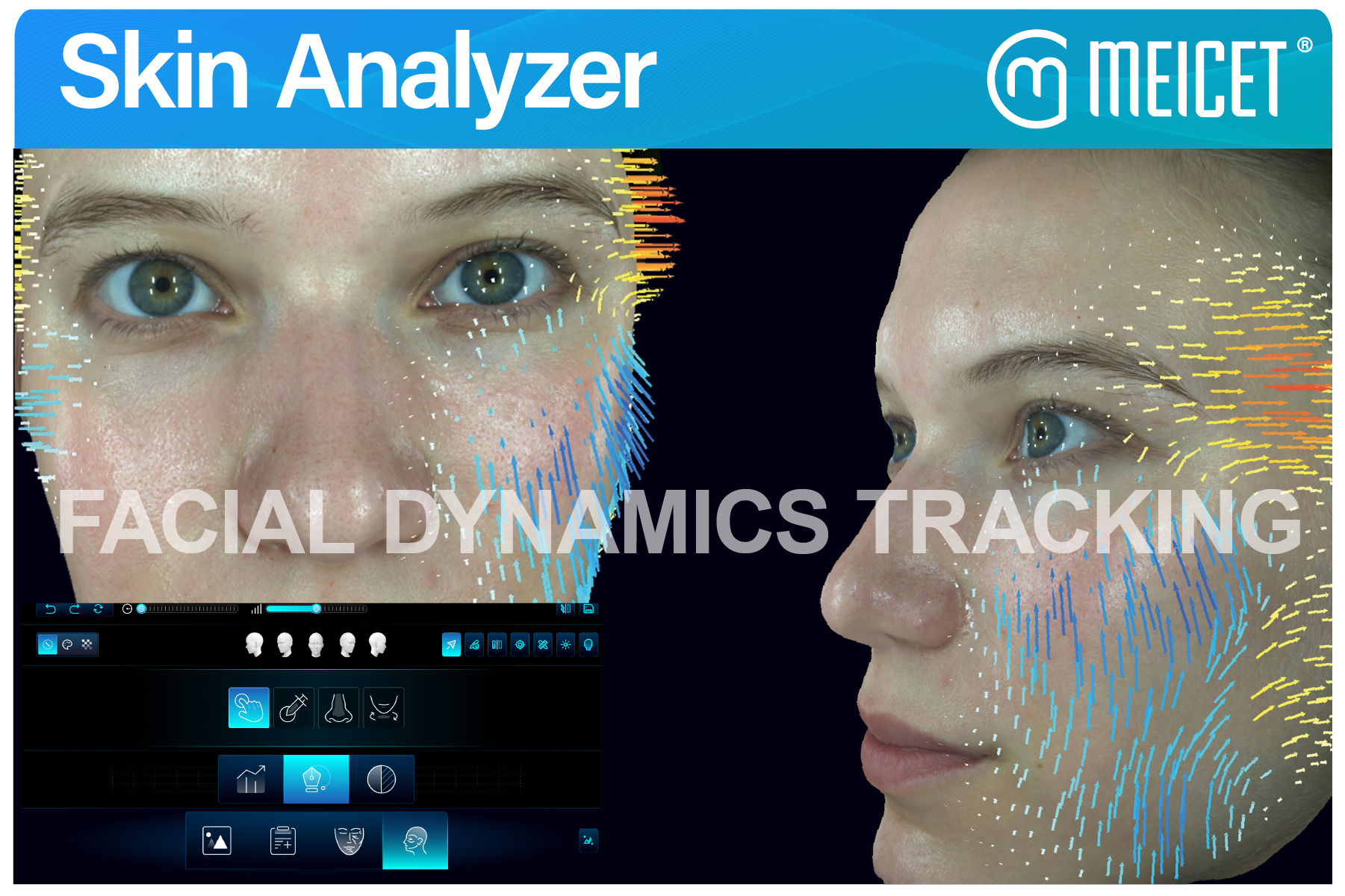
Image Capture and Data Collection
A Skin Analyzer begins the detection process by capturing high-quality images of the skin. The device uses specialized cameras and multiple light sources to collect data from different angles and lighting conditions. This step is essential for revealing both surface and subsurface skin features.
- The device camera captures images of the face or targeted skin area.
- The system normalizes the images to ensure consistent brightness and color.
- Dermatologists categorize skin types, segmenting images into training, validation, and testing datasets.
- Preprocessing techniques optimize the dataset for higher accuracy.
- Advanced models like MobileNetV2 and EfficientNet-V2 classify skin types.
- The model is validated with unseen data to ensure reliability.
During image capture, the Skin Analyzer collects several data points:
- Geometric features: Measurements of facial proportions and symmetry.
- Textural features: Patterns that identify wrinkles, pores, and roughness.
- Colorimetric features: Skin tone, pigmentation, and redness.
Tip: Multiple lighting modes, such as ultraviolet and polarized light, help reveal hidden skin issues like sun damage and pigmentation.
Feature Analysis and Condition Mapping
After image collection, the Skin Analyzer uses artificial intelligence to analyze skin features. Convolutional neural networks examine the images for patterns linked to skin health.
- The system detects the face and normalizes brightness.
- Local binary pattern features identify acne and wrinkles.
- Histogram equalization provides objective skin quality assessment.
- The device assesses pores, skin texture, brown spots, and UV damage beneath the surface.
- Different light types, including RGB, blue, and ultraviolet, detect specific skin characteristics.
Mapping techniques visualize skin conditions for users and professionals. The following table shows how 3D molecular mapping works:
| Aspect | Description |
|---|---|
| Technique | 3D Molecular Mapping |
| Purpose | Create detailed molecular atlas of human skin |
| Method | Sample distinct skin sites and analyze chemistry |
| Outcome | Detailed 3D maps of skin surface chemistry |
Other mapping methods include composite pigment maps, thermal maps, and synthetic brown spectrum images.
Report Generation and Results
The final step involves generating a comprehensive report based on the analyzed data. The Skin Analyzer combines spectral images, skin indicators, and AI calculations to create a visual summary.
- The report highlights strengths and areas for improvement.
- Scores for various skin parameters are compared against population norms.
- Visual representations show pores, pigmentation, and sun damage.
- Treatment recommendations may include skincare products or laser treatments.
- Basic information on skin type, color, and facial issues is included.
Note: The imaging process is non-invasive and provides objective, data-driven assessments for both users and skincare professionals.
The Skin Analyzer delivers a clear, actionable report that supports personalized skincare and ongoing monitoring.
Applications and Benefits
Skincare Consultations
Skin analyzers play a key role in personalized skincare consultations. These devices use advanced imaging and AI to assess each person’s unique skin profile. The results help skincare professionals recommend products and treatments that match the individual’s needs. AI-driven platforms, such as those used by leading beauty brands, can even adjust recommendations based on real-time environmental data. This means that skincare regimens can change to address factors like humidity or pollution, making them more effective and increasing user satisfaction.
- AI-powered skin analyzers can reach up to 90% accuracy in identifying skin conditions.
- Dermatologists report greater confidence in their diagnoses when using these tools.
- The technology processes large sets of skin images to detect issues like acne or pigmentation.
Tip: Personalized consultations based on objective data lead to better treatment outcomes and higher client trust.
Monitoring Skin Health
Ongoing skin health monitoring is another major benefit of skin analyzers. These devices track changes in the skin over time, allowing users and professionals to see how treatments are working. Regular follow-up analyses, often every 6 to 12 weeks, provide clear, measurable data. This helps adjust treatment plans based on real progress rather than guesswork.
| Benefit | Description |
|---|---|
| Objective Tracking | Tracks skin conditions over time, showing treatment effectiveness. |
| Personalized Treatment Adjustments | Allows changes to skincare routines based on real data. |
| Early Problem Detection | Spots new skin issues early, enabling quick action. |
| Enhanced Patient Motivation | Shows visible progress, encouraging people to stick with their routines. |
Skin analyzers support both professional clinics and home users, making advanced skin care accessible and reliable.
Skin analyzers use advanced imaging, environmental sensors, and AI to deliver precise skin assessments.
| Technological Component | Description |
|---|---|
| Imaging tools | Multiple spectrums for analysis |
| AI analysis programs | Personalized treatment insights |
| Accurate detection supports tailored skincare, continuous monitoring, and higher satisfaction. Personalized solutions improve skin health and help users achieve better results over time. |
FAQ
How does a skin analyzer detect skin issues?
A skin analyzer uses cameras and light sources to capture images. AI software examines these images to identify pores, pigmentation, and other skin features.
Is the skin analyzer safe for all skin types?
Yes. Skin analyzers use non-invasive imaging methods. The process does not harm the skin and works for all skin types.
Can I use a skin analyzer at home?
Many portable skin analyzers are available for home use. These devices provide quick assessments and help users track skin health over time.
Tip: Always follow the device instructions for best results.
Post time: Apr-27-2026


