


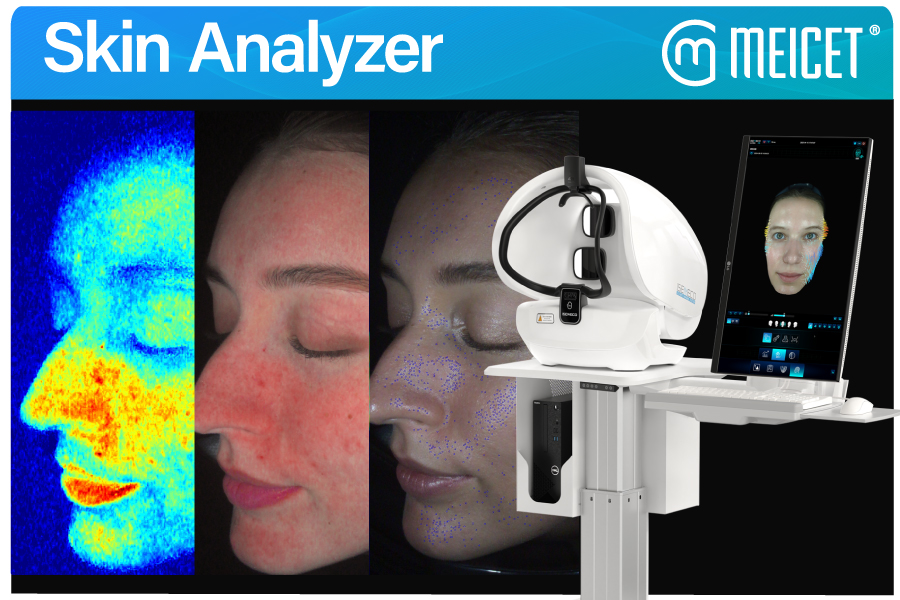
Many people want to understand their skin better. The demand for a reliable skin analyzer is rising.
●Home use devices are projected to reach 28.5% market share by 2025.
●This segment grows at 18.4% CAGR.
●54% of skincare users aged 18-45 show interest in AI analyzers.
| Analyzer Type | User Satisfaction Rate | Notes |
|---|---|---|
| Professional Analyzers | Higher | Provide deeper analysis and expert guidance |
| Home Analyzers | Lower | Often lead to inaccuracies and less effective outcomes |
Choosing wisely helps match expectations with real results.
Key Takeaways
●Home skin analyzers are affordable and user-friendly, making them ideal for daily checks and personal use.
●Professional skin analyzers provide in-depth analysis and accurate results, suitable for clinics and tailored skincare plans.
●Choosing the right analyzer depends on your needs; home devices offer convenience, while professional ones deliver expert insights.
Skin Analyzer Accuracy & Technology
Measurement Precision
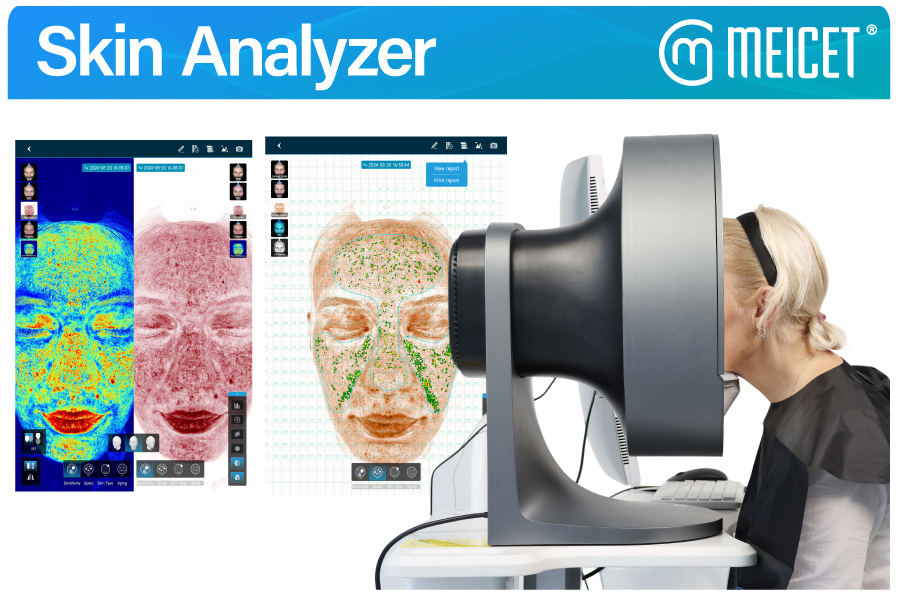
Measurement precision is a key factor that separates home use and professional skin analyzers. Professional devices use advanced imaging systems with high-resolution cameras and multispectral technology. These tools capture detailed information about the skin, including layers beneath the surface. Home use devices often rely on basic imaging, which is best for surface-level checks.
Clinical studies show that professional analyzers have higher agreement rates when measuring skin features like texture and pores. For example, agreement rates for texture reach up to 72%, while pores reach 68.2%. These devices also show a strong correlation between wrinkle scores and patient age. Home devices, while helpful for basic monitoring, may not detect subtle changes as early or as accurately.
Tip: For users who want to track small changes in their skin over time, a professional skin analyzer offers more reliable results.
Imaging and AI Capabilities
Imaging and artificial intelligence (AI) play a major role in modern skin analysis. Professional analyzers use multi-spectral imaging and advanced optics to capture high-resolution images. They also use AI powered by convolutional neural networks (CNNs) to analyze thousands of skin samples. This technology helps detect early signs of issues like UV damage or sub-epidermal changes.
Home use devices usually have standard RGB cameras and basic AI. These tools focus on visible features and surface-level analysis. They do not offer the same depth or predictive power as professional systems.
| Feature | Professional Analyzers | Home Use Analyzers |
|---|---|---|
| Imaging Technology | Multi-spectral, advanced optics | Standard RGB camera |
| AI Analysis | Objective, CNN-driven | Basic, limited |
| Condition Detection | Early, sub-epidermal | Visible features only |
| Monitoring | Tracks changes over time | Surface-level only |
| Predictive Features | Personalized recommendations | Limited |
Data Interpretation
Data interpretation sets professional skin analyzers apart from home devices. Professional models use AI to provide objective, data-driven reports. These reports include detailed maps of skin health, early warnings for potential issues, and personalized treatment suggestions. Clinics can use this information to recommend advanced treatments and track progress over time.
Home use analyzers offer simple reports. They focus on basic metrics and provide general suggestions. These devices are easy to use but do not offer the same level of customization or insight.
| Feature | Professional Skin Analyzers | Home Use Skin Analyzers |
|---|---|---|
| Reporting | Detailed, multi-dimensional | Basic, surface-level |
| Customization | Advanced, tailored insights | Limited |
| Integration | Clinic software, longitudinal tracking | Personal use only |
A professional skin analyzer is ideal for clinics and users who want deep, accurate analysis. Home devices are best for those who want simple, everyday monitoring.
Who Uses Each Skin Analyzer
Home User Scenarios
Home skin analyzers are designed for everyday people who want to learn more about their skin without visiting a clinic. These devices are popular among skincare enthusiasts, teens, and adults who want to track changes in their skin at home. Many home models use simple controls and clear instructions. This makes them easy to use, even for those with little technical experience.
Some home analyzers include features like magnetic hidden shading. This design helps users handle the device with ease and comfort. Many models can check up to 15 different skin conditions. Users get quick feedback about their skin’s age, type, and overall health. These tools help people make better choices about their daily skincare routines.
Note: Home skin analyzers are best for personal use and do not require special training.
Professional Use Cases
Professional skin analyzers are used in clinics, beauty salons, and healthcare settings. These environments need high-precision tools for detailed skin assessments and treatment planning. The table below shows where professionals use these devices most often:
| Environment Type | Description | Market Share (%) |
|---|---|---|
| Dermatology Clinics | High-precision, clinically validated AI skin analysis systems for comprehensive assessments. | 31.7 |
| Beauty Salons | Utilization of skin analysis systems for personalized skincare treatments and recommendations. | N/A |
| Healthcare Settings | Integration with electronic health records for improved patient monitoring and treatment planning. | N/A |
Operating a professional Skin Analyzer requires training. Staff must learn how to set up the device, follow measurement steps, and understand the results. Training usually takes 2 to 4 hours. Advanced features may need extra practice. Most manufacturers provide guides and support. Many professionals also have basic esthetics education and good communication skills.
Tip: Professional analyzers are best for trained users who need accurate, in-depth results for clients or patients.
Features and Results
Analysis Depth
Professional skin analyzers offer a much deeper look into the skin compared to home devices.
●Multi-spectral imaging lets these devices reach the dermis layer. This helps detect deep pigmentation, broken capillaries, and inflammation.
●They can measure and analyze problems that are hidden below the surface. This gives a complete view of skin health.
●Ultra-high-definition cameras and multiple light spectra allow for detailed checks of both surface and deeper skin issues.
Home use devices focus on surface-level checks. They are good for spotting dryness or oiliness but cannot see deeper problems.
Reporting and Tracking
Professional analyzers use advanced technology to give precise data on many skin conditions. These include wrinkles, pores, pigmentation, hydration, and texture. Home devices use simpler cameras and sensors. They are best for basic checks.
| Feature | Professional Skin Analyzers | Home Use Devices |
|---|---|---|
| Analysis Depth | Advanced imaging and comprehensive analysis | Basic monitoring |
| Tracking Capabilities | Long-term monitoring of skin conditions | Surface-level assessments only |
| Technology Used | High-resolution cameras, multispectral | Simpler cameras and sensors |
| Treatment Recommendations | Personalized and detailed | Not personalized |
Speed of Results
Professional analyzers deliver results almost instantly. Their data-driven systems process information quickly. Home use devices may take longer and often need manual steps.
| Type of Device | Diagnostic Speed |
|---|---|
| Professional Analyzers | Instantaneous, data-driven assessments |
| Home Use Devices | Slower, manual assessments |
A Skin Analyzer with advanced features can help users and professionals get accurate, fast, and detailed results.
Skin Analyzer Cost Comparison
Purchase Price
The price of a Skin Analyzer can vary a lot. Home use models usually cost between $50 and $300. These devices are affordable for most people. They offer basic features and simple analysis. Professional analyzers have a much higher price. Most professional models range from $2,000 to $10,000 or more. This price reflects advanced technology, high-resolution cameras, and multi-spectral imaging. Clinics and salons see this as an investment in their business.
| Device Type | Typical Price Range | Main Buyer |
|---|---|---|
| Home Use | $50 – $300 | Individuals |
| Professional | $2,000 – $10,000+ | Clinics, Salons |
Note: The higher cost of professional devices often includes training and software support.
Maintenance and Value
Home analyzers need little maintenance. Users may only need to clean the lens and update the app. Most home devices do not require extra parts or service. Professional analyzers need regular calibration and software updates. Some models require yearly servicing by a technician. This keeps the device accurate and reliable.
Professional devices hold their value over time. They can help clinics attract more clients and offer better services. Home devices give value through convenience and low cost. Each type offers benefits based on the user’s needs and budget.
Usability & Portability
Ease of Use
Home skin analyzers focus on simplicity. Most models have user-friendly interfaces and clear instructions. People can operate these devices without special training. The controls are often intuitive, making them accessible for all ages. Many at-home analyzers provide consistent and objective readings for hydration, pore size, pigmentation, and texture. They use multiple light modes and sensors to uncover hidden skin concerns. Users can track changes over time and make informed choices about skincare products based on measurable results.
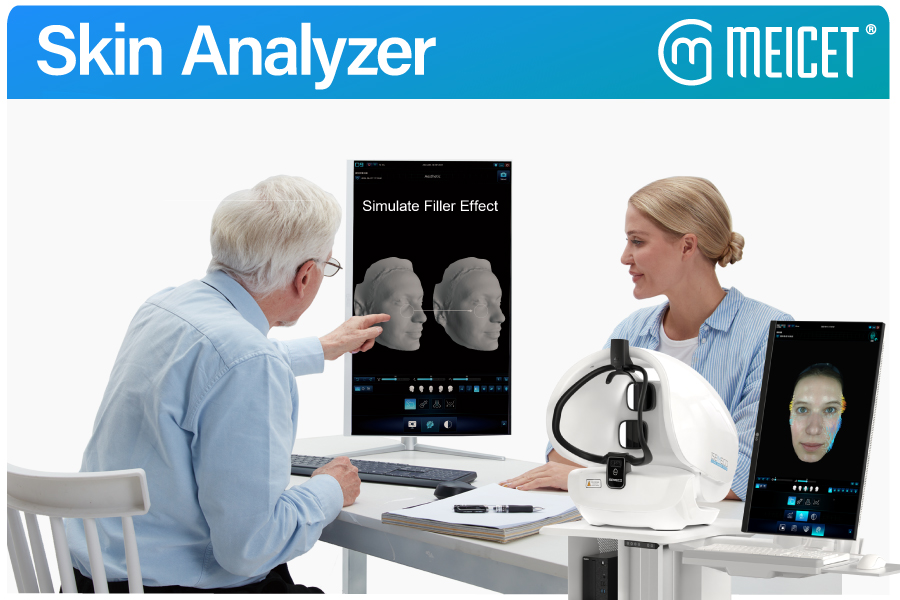
Professional skin analyzers require more expertise. Staff in clinics or salons usually receive training before using these devices. The advanced features allow for deeper analysis, but they also add complexity. Professionals must understand how to interpret detailed reports and use the data for treatment planning.
Tip: Home devices are best for quick checks and daily monitoring. Professional analyzers suit those who need advanced insights and have the training to use them.
Device Size and Travel
Portability is a key difference between home and professional skin analyzers. Home devices are compact and lightweight. People can carry them in a bag or suitcase. This makes them ideal for travel or use in different rooms at home.
Professional analyzers are larger and heavier. They include advanced technology for in-depth skin assessment. These devices can analyze skin tone, texture, sensitivity, and UV damage. The size and complexity make them less portable. Most professional models stay in clinics or salons.
| Device Type | Portability | Typical Use Location |
|---|---|---|
| Home Use | High | Home, travel |
| Professional | Low | Clinic, salon |
People who travel often or want flexibility may prefer a home analyzer. Clinics and salons benefit from the advanced features of professional devices, even if they are less portable.
Customization & Recommendations
Personalized Analysis
Professional skin analyzers offer a high level of customization. These devices use advanced imaging and artificial intelligence to study the skin in detail. They can measure many layers of the skin and provide personalized treatment plans. Clinics often use these analyzers to track changes over time and adjust recommendations for each person.
Home use devices focus on basic monitoring. They give general advice based on surface-level checks. Most home analyzers do not connect with other tools or offer deep customization. Users get simple feedback that helps with daily skincare choices.
| Feature | Professional Skin Analyzers | Home Use Devices |
|---|---|---|
| Analysis Depth | Deeper analysis with AI quantification | Basic surface-level monitoring |
| Customization | Personalized treatment recommendations | Limited customization options |
| Imaging Capabilities | Advanced imaging and multi-spectral | Basic assessments |
| Integration with Tools | Integrates with dermatological tools | Standalone |
| Tracking | Tracks skin changes over time | Manual assessments |
Tip: For users who want a skincare plan tailored to their unique needs, professional analyzers provide more options.
Suitability for Skin Types
Professional skin analyzers work well for all skin types. They use multi-spectral imaging to capture detailed data. This helps clinicians create visual reports and make recommendations for dry, oily, sensitive, or combination skin. The reports are personalized, and experts can guide users based on their skin’s unique features.
Home use devices offer basic checks. They may not capture enough detail for people with complex skin concerns. These devices do not provide professional guidance or advanced personalization.
| Feature | Professional Skin Analyzers | Home Use Devices |
|---|---|---|
| Imaging Technology | Advanced, multi-spectral | Basic |
| Data Detail | Captures detailed skin data | Lacks precision |
| Customization | Personalized visual reports | Limited personalization |
| Professional Guidance | Tailored recommendations from clinicians | No professional input |
Note: People with special skin needs or concerns may benefit more from a professional skin analyzer.
Choosing a skin analyzer depends on your needs and lifestyle.
●Home analyzers are easy to use and portable.
●Professional devices give deeper, more accurate results with expert guidance.
| Analyzer Type | Best For | Key Benefit |
|---|---|---|
| Home Use | Daily checks, travel | Convenience |
| Professional | Clinics, tailored care | Detailed, reliable results |
Explore product guides or consult a dermatologist for more information.
FAQ
What is the main benefit of a professional skin analyzer?
Professional skin analyzers provide deeper analysis and more accurate results. Clinics use them to create personalized skincare plans for each client.
Can I use a home skin analyzer without training?
Yes. Home skin analyzers are designed for easy use. Most models have simple instructions and do not require special skills.
Are professional skin analyzers suitable for all skin types?
●Yes, professional devices use advanced imaging.
●They work well for dry, oily, sensitive, and combination skin.
Post time: Apr-13-2026


