


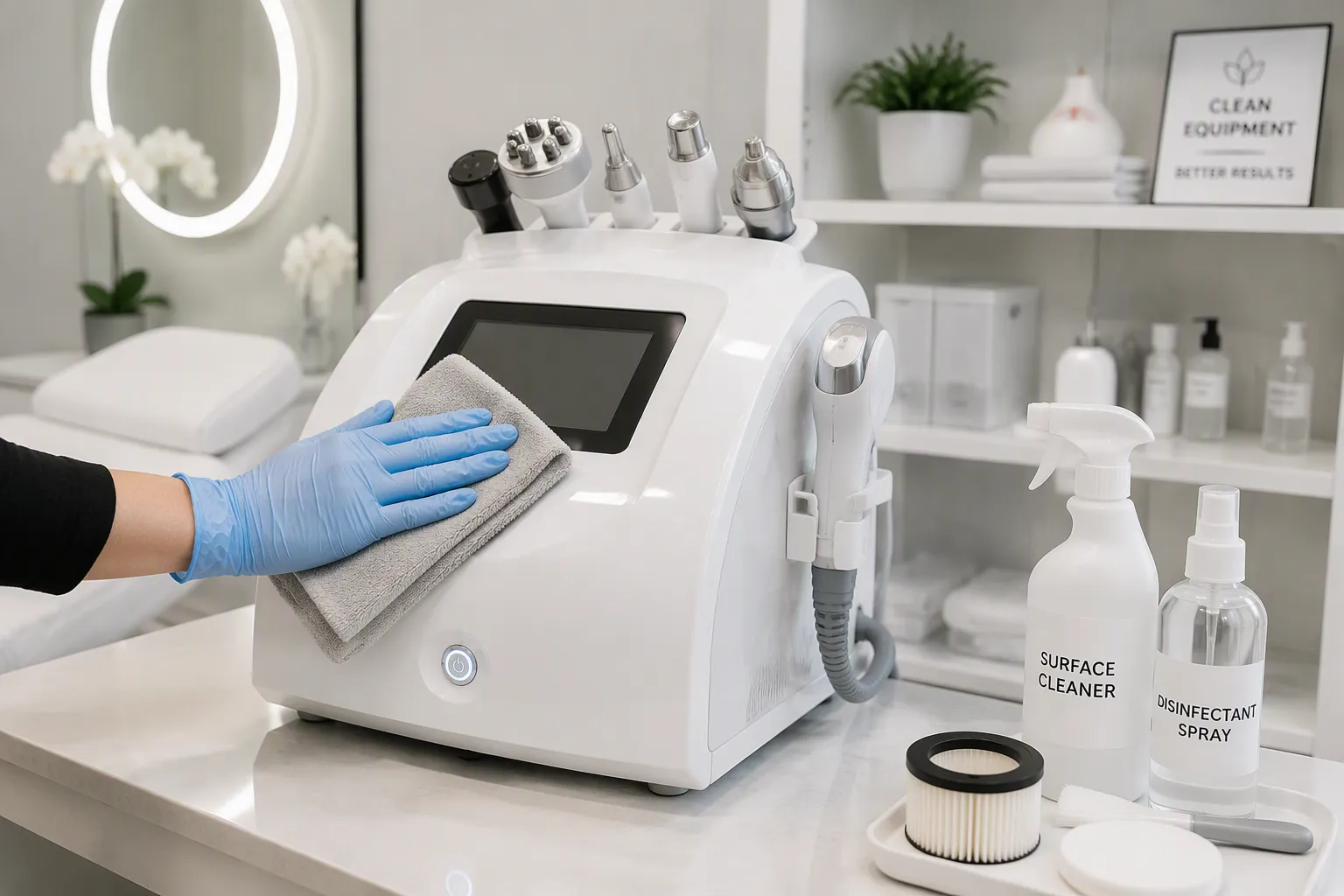
I perform regular maintenance on my beauty machines, including daily cleaning of nozzles and weekly water checks. I also lubricate moving parts every three months and schedule a professional inspection. I follow actionable steps for daily cleaning, routine maintenance, and professional servicing. These steps extend the service life of my beauty equipment and ensure my unit lasts longer. I protect my investment.
Key Takeaways
●Clean your beauty machines daily to prevent residue buildup and bacteria growth.
●Lubricate moving parts every three months to reduce friction and extend equipment life.
●Schedule an annual professional inspection to catch hidden issues and maintain performance.
Daily cleaning for beauty machines
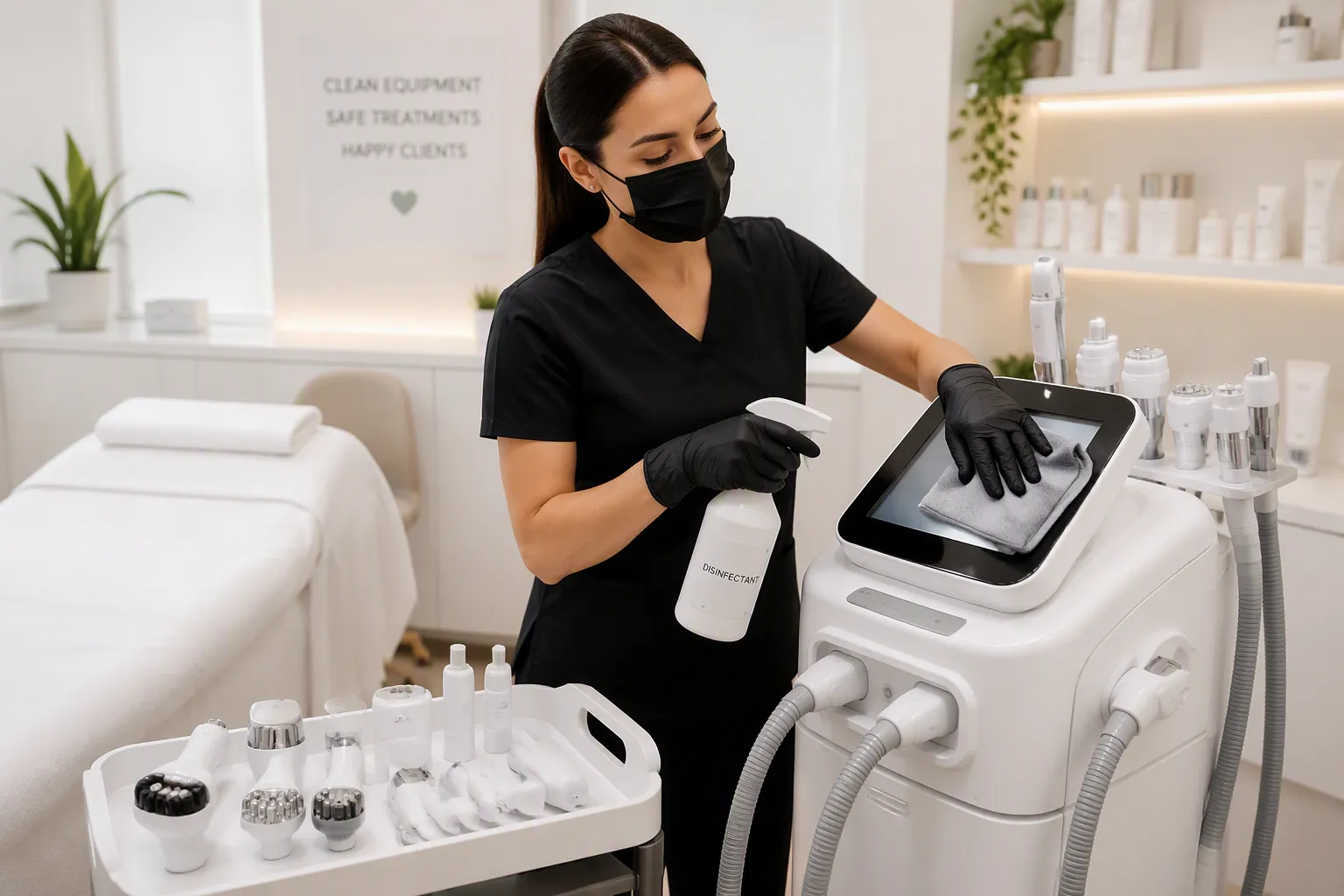
Daily cleaning forms the backbone of any solid maintenance plan. I treat this step as non-negotiable because it directly affects both performance and client safety. When I skip proper cleaning, residue builds up inside nozzles, hoses, and tanks. That buildup eventually compromises the machine’s output and creates a breeding ground for harmful microbes. Let me walk you through the exact routine I follow.
After-use cleaning and sanitation
I disinfect all tools, stations, and treatment beds immediately after each client leaves. This practice prevents cross-contamination between customers. I pay special attention to removable parts like spouts, nozzles, and hoppers. These components touch the client directly, so they demand thorough attention.
The health risks of skipping this step are serious. Bacterial infections from Staphylococcus, Streptococcus, and Pseudomonas species can cause respiratory problems and chronic diseases. Viral infections such as hepatitis B and HIV pose a threat when tools accidentally penetrate the skin. Fungal infections like ringworm also spread through contaminated equipment. I have read documented cases of MRSA infection after a hairdressing visit in London. These examples remind me why sanitizing matters.
At the end of each day, I process linens, empty trash, and clean sinks and drains. This routine removes residue that can harbor bacteria overnight. I also wipe down every external surface of my beauty machines with an appropriate disinfectant. This daily maintenance routine takes time, but it saves me from costly repairs later.
Over time, the tools you rely on daily accumulate buildup, bacteria, and residue that can affect their performance and your clients’ safety. A thorough cleaning ensures precision, efficiency, and a professional experience every time.
Weekly water and filter checks
I regularly dedicate time to water quality and filter inspection. I use pure or distilled water exclusively in my beauty equipment. Tap water contains minerals that leave scale deposits inside tanks and lines. These deposits restrict flow and reduce heating efficiency over time.
I replace the water in my machines regularly to prevent stagnation. Stale water promotes bacterial growth, which defeats the purpose of sanitizing. I also check my filters regularly for warning signs that they need replacement. Reduced water flow rate tells me a clogged filter is restricting passage. Altered taste or odor signals that the filter no longer removes contaminants effectively. Visible particles or cloudiness in the water means the filter media is saturated and releasing debris. More frequent appliance breakdowns also point to a failing filter.
This weekly deep cleaning session includes fully breaking down complex equipment like facial steamers and foot spa jets. Daily wiping cannot reach the buildup inside these units. A thorough weekly breakdown removes that hidden residue and keeps the machine operating at peak performance.
I protect my beauty machines from dust and moisture when they are not in use. I cover them with breathable fabric and store them in a climate-controlled area. This simple care step prevents damage from environmental factors. Remember, the correct way of operation always includes proper cleaning habits. Routine cleaning protects your investment and ensures consistent results for every client.
Routine maintenance for long service life
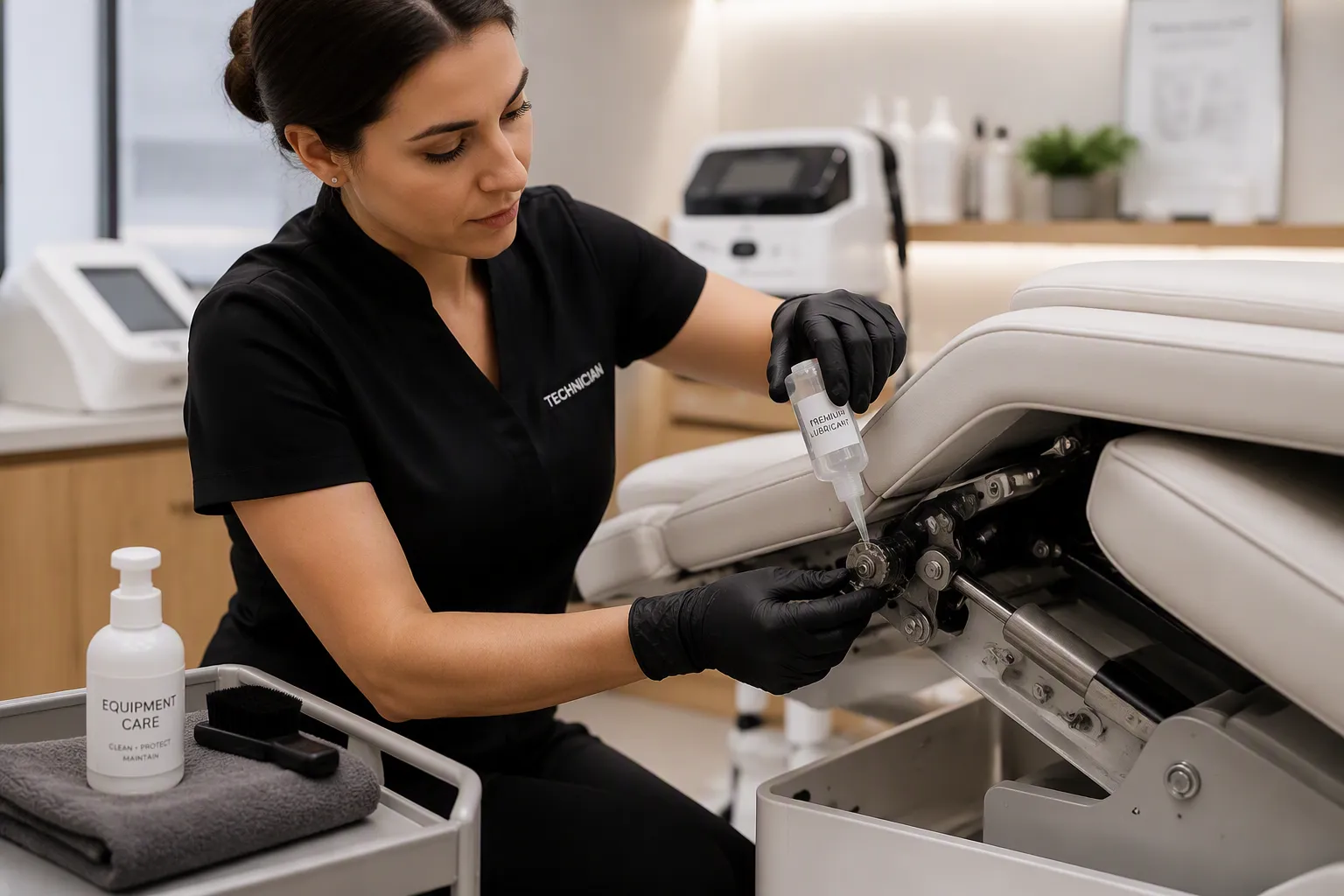
Daily cleaning keeps my beauty machines sanitary, but routine maintenance goes deeper. I treat this layer of preventive maintenance as proactive care. I protect equipment performance before problems appear. I keep every moving part operating smoothly. I inspect components for wear before they fail. This approach saves me expensive repairs and downtime. I follow a consistent service schedule that I never skip.
Lubricating moving parts quarterly
I apply food-grade lubricant to hinges, bearings, and gears at intervals that depend on the component’s operating conditions. This simple step reduces friction and prevents wear on key components. I use a high-quality formula designed specifically for massage mechanisms. The product I trust is FG-1200 Non-Toxic Food Grade Grease with an NSF H1 rating. This grease meets FDA and USDA standards for incidental food contact. It works well on roller bearings, conveyors, chains, linkages, cams, journals, and latches. I apply it in cosmetic manufacturing equipment, food processing, and pharmaceutical environments.
The frequency of lubrication depends on operating conditions. I inspect high-temperature, high-speed bearings in motors and fans every three months. I replace the oil as needed. I check heavily loaded bearings in gearboxes and heavy machinery every month. I maintain lubricant quality during these checks. I inspect sealed or hard-to-reach bearings every six months. I replace the grease according to the manual.
I follow this routine for every piece of equipment.
I regularly lubricate the moving parts of my salon chairs. I apply lubricant to the reclining mechanism, hydraulic pump, and swivel base. This prevents friction-related damage and ensures smooth operation.
The result is extended equipment life and consistent performance.
Inspecting scraper blades and seals
I check scraper blades regularly for signs of wear. Dullness, damage, or rust are immediate triggers for replacement. I replace blades immediately upon noticing any of these issues. Many professionals replace blades on a daily basis to sustain optimal performance. I follow this practice for blades that see heavy use.
I also inspect seals during these checks. Worn seals allow leaks that compromise machine performance. I replace them according to the manufacturer’s recommendations. This preventive maintenance ensures my machine operates at peak efficiency.
I schedule regular inspections for all my equipment. I record every maintenance session in a log. This record helps me track patterns and anticipate future needs. It also provides proof of care for warranty purposes. My service schedule keeps me accountable. I never skip a lubrication cycle or inspection date.
I document every action I take. I note the date, the component, and the lubricant or replacement part used. This log helps me spot trends. A bearing that needs relubrication more often than expected signals a deeper issue. Catching these patterns early prevents major failures. This preventive maintenance approach keeps my beauty equipment running smoothly.
Professional servicing for beauty equipment
Some issues demand expertise beyond my daily care routine. I learned this lesson when my hydra facial machine started showing error codes. I attempted basic troubleshooting first. I confirmed the wall outlet had power and checked the circuit breaker. I inspected the fused power cord and external surge protectors. Nothing seemed wrong. The display remained blank. I contacted authorized service rather than opening sealed electronics. That decision saved me from voiding my warranty and causing further damage.
Annual factory inspection
I schedule a professional inspection regularly. This preventive maintenance program catches problems I cannot see. A certified technician examines internal components, verifies calibration, and tests safety systems. They check firmware versions and update software when needed. This service extends the life of my beauty equipment significantly. I record every inspection date and note any parts replaced. This documentation helps me track patterns and proves my maintenance history if warranty questions arise. I treat this annual check as essential care, not an optional expense. The cost of prevention always beats the price of emergency repairs.
Troubleshooting and storage tips
When my machines malfunction, I follow a logical troubleshooting sequence. For weak suction, I check for clogged tips and handpieces first. I clean them after each use with a small brush for stubborn blockages. I inspect O-rings for cracks or dryness and replace worn ones. I empty waste containers before and after every session. For laser equipment, I verify the power connection and check for blown fuses near the power cord. I examine the display for error codes like E1 for laser module issues or E2 for cooling problems. I clean the lens gently with a soft, lint-free cloth.
For long-term storage, I prepare my beauty machines properly. I store units in their original cartons whenever possible. I place light equipment on steel shelving and heavier machines on storage racks. When a machine stays outside its carton, I cover it with plastic sheeting. I hang the covering loosely to allow air circulation. This prevents moisture buildup that causes rust and mildew. I drain all water from tanks and lines completely. I protect everything from extreme temperatures. This preparation keeps my equipment ready for the next busy season.
I clean daily, lubricate on a schedule, and schedule professional service. These three actions protect my beauty machines and extend their life. Preventive maintenance keeps performance strong. Following the manufacturer’s manual remains my best practice for every machine. Review your manual today, contact the manufacturer for guidance, or set a maintenance calendar. Consistent care ensures reliable operation for years.
FAQ
Can I skip cleaning for one day?
No. Residue quickly builds up inside nozzles and tanks. Bacteria grow in that buildup. Skipping cleaning allows residue and bacteria to accumulate, which can compromise performance.
How often should I lubricate interior parts?
I apply food-grade grease at intervals based on the component’s operating conditions—typically every three months for high-speed bearings and monthly for heavily loaded ones. Hinges, bearings, and gears need this regular maintenance to reduce friction and prevent early wear.
When should I call for professional service?
I schedule a professional inspection regularly. I also contact a technician when error codes appear. My beauty equipment needs expert care for complex internal issues.
Post time: Sep-04-2026


