


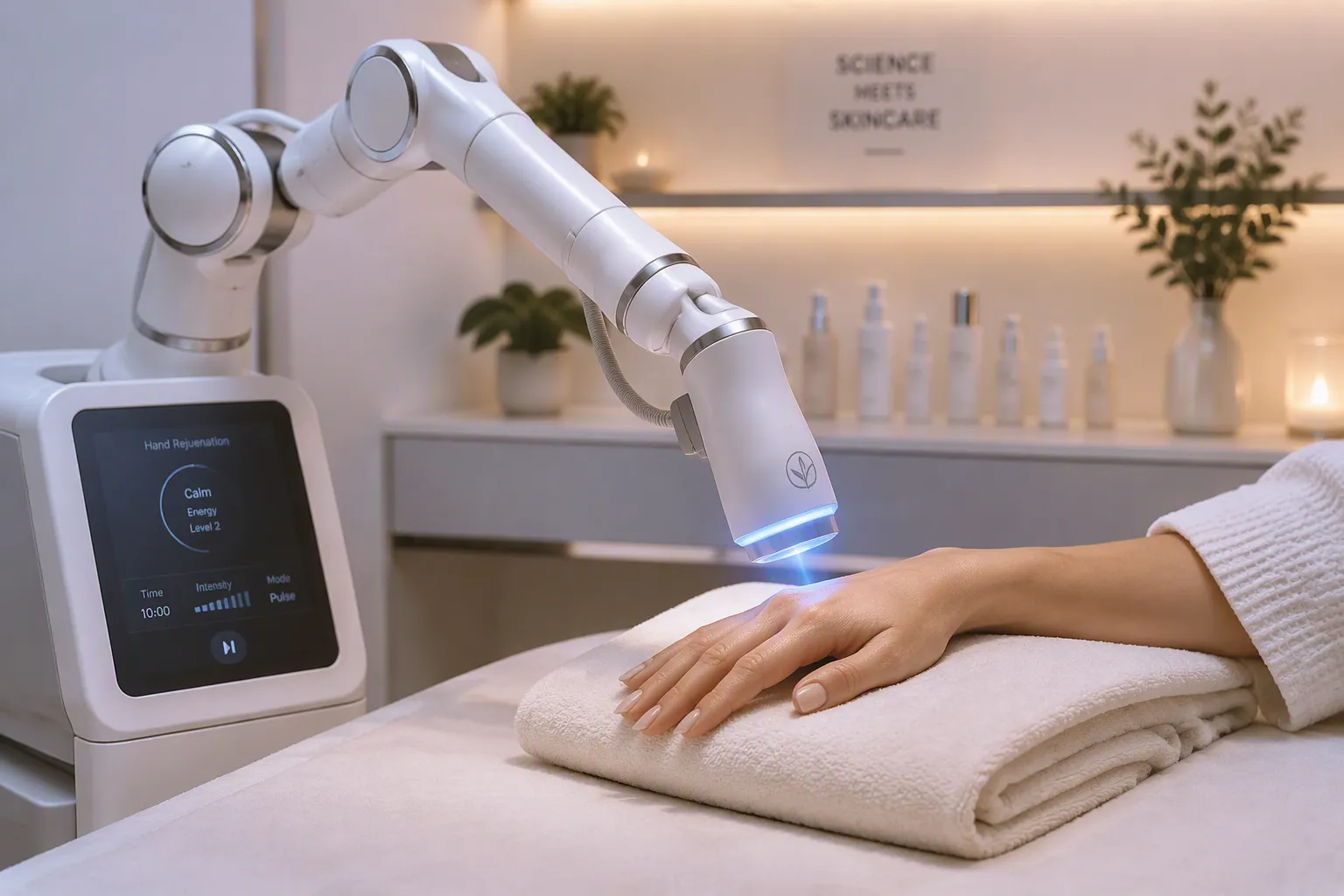
I stood in the skincare aisle, torn between a $400 LED mask and a booking for a professional facial. Can beauty machines replace manual skincare services? No, but they can complement them. The at-home beauty device market surged to $21.4 billion in 2024, growing 27.4% annually. That growth reflects our desire for convenient solutions. Yet, I learned these tools work best alongside professional care, not instead of it.
Key Takeaways
●Beauty machines work best alongside professional care, not as a replacement.
●At-home devices offer subtle improvements for maintenance, but professional treatments deliver stronger, faster results.
●Always consult a dermatologist or esthetician before using any beauty machine to ensure safety and effectiveness.
How Beauty Machines Work
Common Devices and Their Mechanisms
I see three popular beauty machines on the market today. Each device works through a different mechanism to improve skin health. LED masks deliver specific wavelengths of light to the skin. Red light at 660 nm penetrates 2.3 mm deep into the dermis. This stimulates fibroblasts to produce collagen. Blue light at 415 nm targets bacteria and reduces oiliness. Microcurrent tools send low-level electrical currents below 1 mA through the skin. These currents mimic the body’s natural bioelectricity. They boost ATP production in cells. They also stimulate facial muscles and promote collagen and elastin synthesis. Derma-rollers create tiny punctures in the skin. This controlled injury triggers the body’s natural healing response. The skin produces more collagen and elastin to repair itself.
| Device | Mechanism of Action | Key Biological Effect |
|---|---|---|
| LED Mask | Penetrates skin with specific wavelengths of light | Reduces inflammation, kills bacteria, stimulates collagen production |
| Microcurrent Tool | Delivers low-level electrical currents (<1 mA) mimicking natural bioelectricity | Boosts ATP production, increases cellular energy, stimulates facial muscles, promotes collagen and elastin synthesis |
| Derma-roller | Creates tiny punctures in the skin | Triggers the body’s natural healing response, promoting collagen and elastin production, improving skin texture and tone |
What Science Says About Their Effectiveness
Clinical studies support some of these mechanisms. For LED therapy, research shows that wavelengths between 600-660 nm and 800-860 nm stimulate dermal and epidermal cells. A study by Li et al. confirmed that 640 nm and 830 nm light at 0.5 mW/cm² increased collagen and elastin synthesis. Red LEDs specifically increase collagen type 1 expression. For microcurrent, a randomized controlled trial with 108 participants used a portable device called Slendertone Face. After 12 weeks of use five times per week, the treatment group showed an 18.7% increase in muscle thickness. The control group showed no significant change.
However, I must be honest about the limits. Most research on microcurrent therapy comes from physical therapy and medical uses. We lack strong clinical evidence for at-home facial toning devices. Any results are likely short-lived. You need consistent use to maintain benefits.
The majority of research on microcurrent therapy is in the context of physical therapy and other medical uses. We simply do not have much clinical evidence for or against the use of at-home microcurrent devices for facial toning, tightening and anti-aging.
These devices have real merit. But I see them as tools for maintenance, not substitutes for professional care. They work best as part of a balanced skincare strategy.
Beauty Machines vs. Professional Care
What At-Home Devices Can Achieve
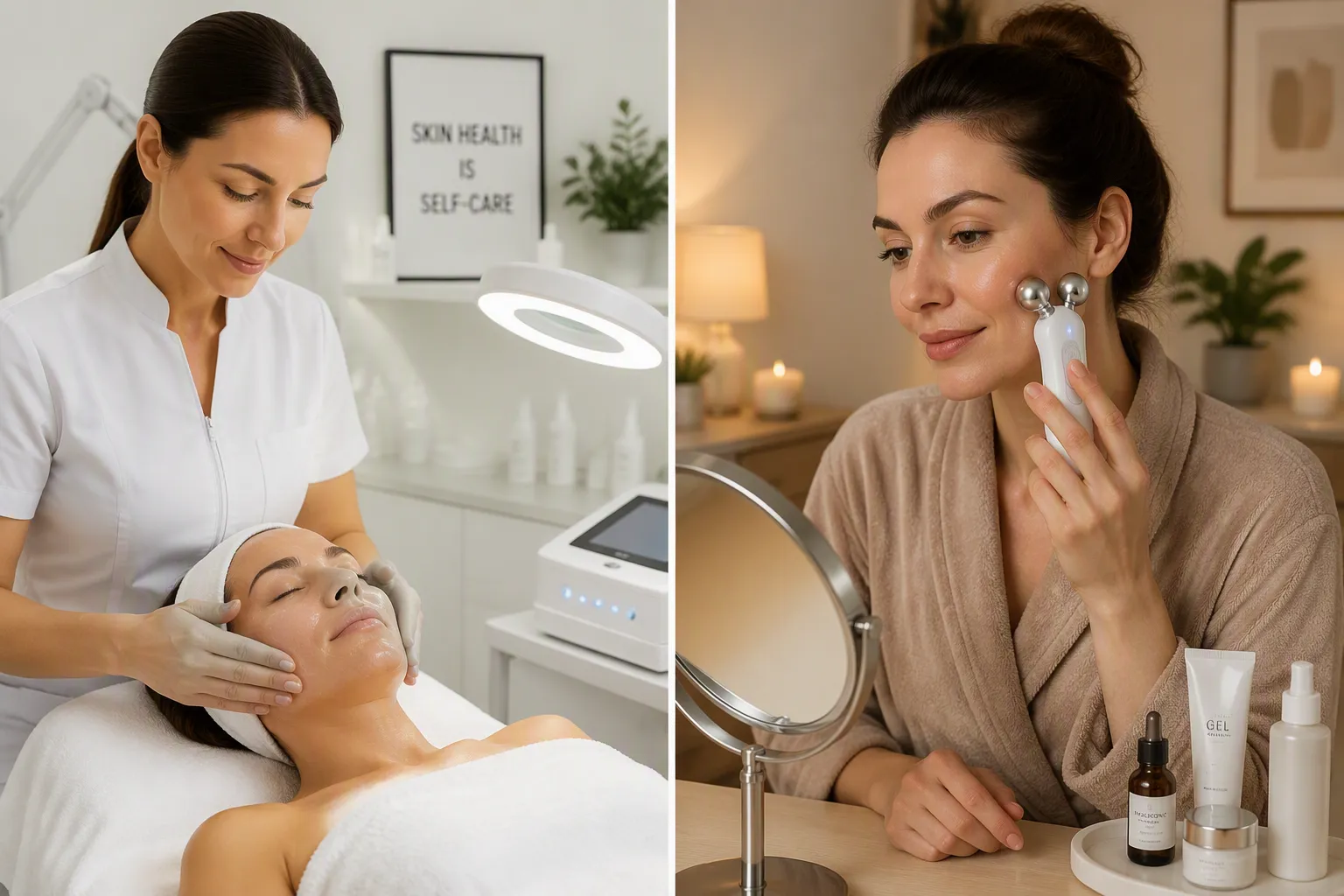
I see many people asking what these devices can realistically do. The evidence shows they offer modest, gradual improvements. A study on the Slendertone Face microcurrent device had 56 participants use it five days per week for twelve weeks. These participants reported better skin tone, radiance, and fewer wrinkles compared to the control group. However, any visible lifting effect fades within hours. This effect is similar to what manual facial massage provides.
LED masks work the same way. Research confirms that at-home masks deliver 5 to 30 mW/cm² of light. This power reaches only about one to two millimeters into the skin. Consistent use over several weeks can improve fine lines and texture. But the results remain modest compared to professional treatments.
| Outcome Dimension | Professional Facial Treatments | At-Home Beauty Devices |
|---|---|---|
| Result Strength | Stronger, more targeted, suitable for advanced aging | Subtle improvements, better for mild to moderate signs |
| Speed of Results | Fast, dramatic, immediate | Gradual, over time |
| Best For | Those seeking immediate transformation or with significant sagging | Those prioritizing maintenance and long-term commitment |
These devices shine when I use them for maintenance. They help me keep results between professional visits. But I never expect dramatic changes from them alone.
The Limits of DIY Treatments
I must be clear about what at-home beauty machines cannot do. They cannot replicate the hands-on work of a licensed esthetician. Professional facials involve manual extractions performed without trauma to the skin. No machine can assess a clogged pore and decide the right pressure for extraction. Professionals use clinical-grade acids and active ingredients. These products have higher concentrations than anything I can buy for home use.
Professional facials use clinical-grade products, controlled techniques, and skilled assessment of the skin—elements that at-home routines cannot replicate.
The power difference is striking. Professional LED devices deliver 100 to 250 mW/cm² or more. That is ten to fifteen times stronger than at-home masks. This higher power reaches deeper tissues several centimeters below the skin surface. No at-home device can match that depth or intensity.
Professionals also perform lymphatic drainage to reduce inflammation. Machines cannot replicate this hands-on skill. The esthetician adjusts each movement based on real-time feedback from my skin. At-home devices follow a preset program and cannot adapt to changing needs. I need professional guidance for proper assessment too. An esthetician examines my skin under magnification for congestion and textural issues. A machine cannot perform this evaluation. I might buy a device that treats the wrong concern entirely.
This is why I still book professional services. The expertise of a trained esthetician provides value no machine can match. I use devices at home for maintenance. But I trust my esthetician for the real transformation.
Safety Considerations for At-Home Devices
Risks of Misuse and Overuse
I see many people assume these tools are harmless because they use them at home. That assumption worries me. Beauty Machines require careful handling, just like any skincare tool. When I misuse a device or use it too often, I risk real damage. The most common adverse events I encounter in dermatology reports include skin irritation or redness, overheating from radiofrequency devices, muscle fatigue from EMS tools, and disruption of the skin’s natural balance. These problems occur when I ignore the recommended frequency or leave a device on too long.
I learned this lesson myself. I once used a microcurrent device daily instead of the recommended three times per week. My facial muscles felt tired and sore. My skin became red and sensitive. The device was not defective. I simply overused it. Professional estheticians receive certification and follow strict regulations. At-home users lack that oversight. I must read every instruction manual carefully and respect the treatment schedule.
Skin Types That Require Extra Caution
Some skin conditions demand even more caution. If I have rosacea or eczema, I should think twice before purchasing any device. The Cleveland Clinic advises consulting a dermatologist first. This step ensures I receive a correct diagnosis and confirms whether at-home LED therapy suits my condition.
Dermatologist guidance for at-home LED use: Before purchasing an at-home LED device, the Cleveland Clinic advises consulting a dermatologist first. This ensures a correct diagnosis (e.g., ruling out skin cancer) and confirms whether at-home LED therapy is appropriate for your specific condition, including rosacea or eczema. Additionally, only use devices marked “FDA cleared” or “FDA approved,” wear eye protection, and follow instructions carefully.
Research on LED therapy for eczema shows some promise. One split-face study of 21 patients used blue LED light at 453-nm with 90 J/cm². After three weekly sessions for four weeks, eczema severity improved by 30.4%. However, the authors admit the evidence remains limited. They call for additional trials before making firm recommendations. I take this as a warning. Even promising treatments need professional oversight. When I have active acne, eczema, or rosacea, I skip the machine entirely and see a dermatologist first.
Who Should Use Beauty Machines and When?
Ideal Candidates for At-Home Devices
I see Beauty Machines as tools for maintenance, not solutions for severe skin problems. They work best for people who already visit a professional for regular facials. These individuals use devices between appointments to extend their results. Consistency matters too. Someone who uses a device three to five times per week for several months will see better outcomes.
Ideal candidates have mild to moderate signs of aging. They have good skin barrier function. They understand that devices offer subtle improvements over time, not instant transformations. However, not everyone should use these devices. Expert guidelines list specific conditions where caution is necessary. The contraindications include:
●Active acne lesions
●Open wounds
●Rashes
●Sunburn
●Eczema flares
●Any area of compromised skin integrity
●Severe rosacea
●Active inflammatory conditions
These guidelines apply specifically to EMS devices. For RF devices, I also watch for heat sensitivity and active rosacea. For LED devices, photosensitivity from medications is the primary concern. I check my skin carefully before using any device.
When to Skip the Machine and See a Pro
Some situations demand professional care. I remind myself of this advice:
“If you have doubts as to whether your skin type or concern would be suited for high frequency treatment, don’t be afraid to seek a skincare practitioner’s advice.”
This wisdom applies to all devices. When I feel uncertain, I pause and seek expert input.
I also look for specific indicators that tell me to skip the machine entirely.
| Indicator for professional treatment | Why it matters |
|---|---|
| Severe conditions like deep scarring or complex pigmentation | Professional interventions remain the gold standard for these cases |
| Risk of complications from device misuse | Burns and hyperpigmentation are more likely with darker skin tones or sensitive skin |
When I see these signs, I book an appointment with a dermatologist or esthetician. I do not reach for my device. The professional can assess my needs and recommend the right treatment. That guidance protects my skin and delivers better results than any device alone.
The Value of Professional Guidanced
Why Expert Assessment Matters
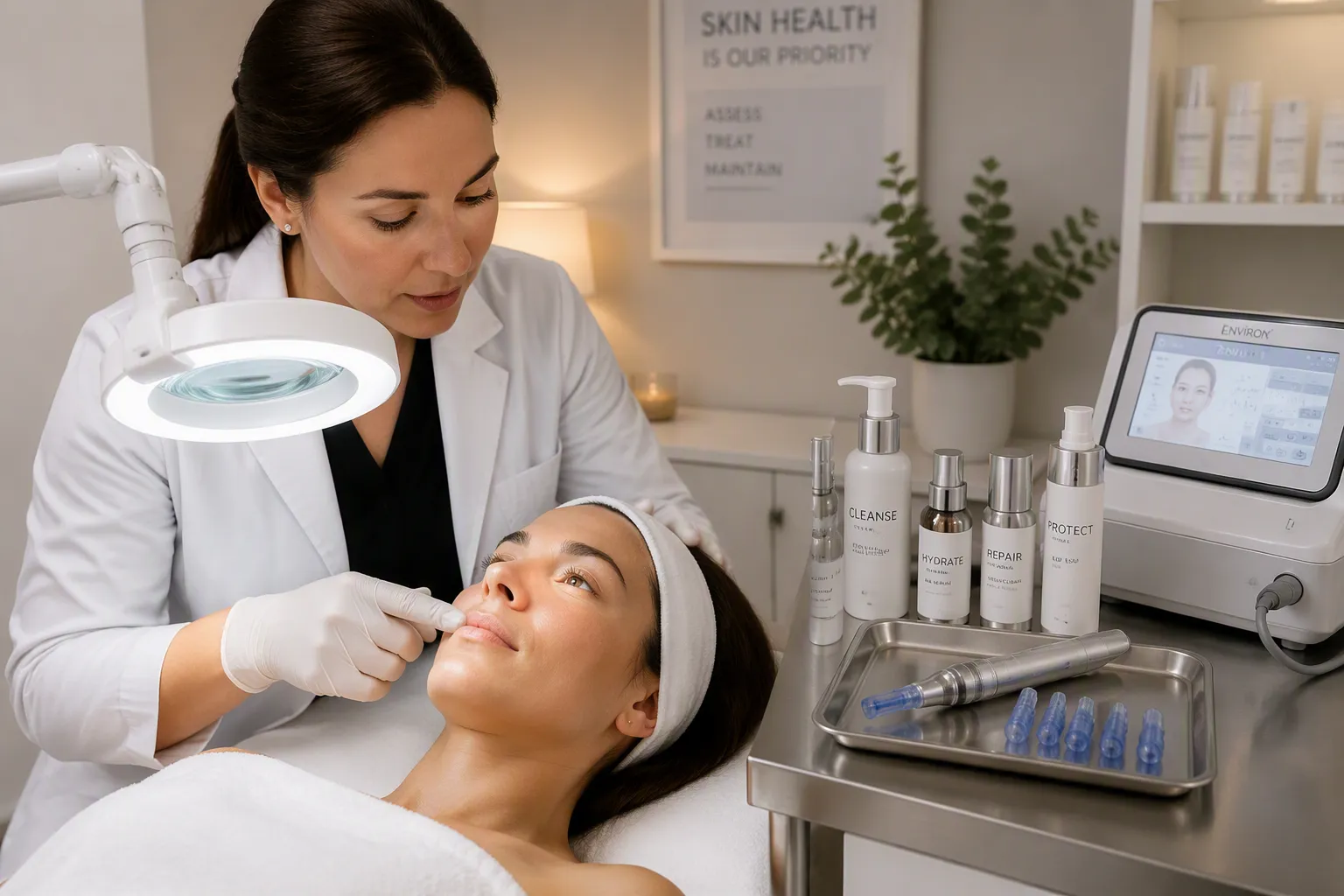
I see many people guessing about their skincare routine. They spend months trying different products. Licensed Advanced Esthetician Angelica McWilliams says people spend 18 months and hundreds of dollars cycling through serums. They finally sit down with a licensed provider for 45 minutes. That consultation would have saved most of the money. It would have saved all of the frustration. Professional evaluation prevents wasted time and money.
The strength difference between professional and at-home products explains part of this gap. Professional peels use 30 to 50 percent acid concentrations. Over-the-counter products are capped at 10 percent. Six months of consistent at-home use roughly equals the results of a single professional session. I cannot achieve the same depth of treatment with a device alone.
Safety also demands professional guidance. At-home microneedling devices often cause skin injury. They use dull needles and non-sterile conditions. This increases the risk of post-inflammatory hyperpigmentation and scarring. Professional devices use sterile, single-use components. They have adjustable depth settings calibrated to my specific skin type. A professional assesses my skin under magnification. They identify congestion and textural issues I might miss. No device can perform this evaluation. Beauty Machines follow preset programs. They cannot adapt to my unique needs. A professional consultation is a prerequisite for safe device use. The expert recommends specific tools and schedules. They adjust frequency as my skin changes.
Combining Professional Care with At-Home Maintenance
I view Beauty Machines as supplements to professional care. They are not replacements. Using both together yields the best results. A combined approach of daily medical-grade products plus quarterly professional care produces measurably better outcomes. Either path alone cannot match these results.
Professional treatments such as chemical peels and microneedling create real changes in my skin. These changes require daily maintenance to persist. I need consistent use of SPF, antioxidants, and retinoids at home. Without this routine, professional results degrade quickly. The strength gap explains why. At-home glycolic acid products top out at 10 percent. Professional treatments use 30 to 70 percent. At-home salicylic acid reaches 2 percent. Professional treatments use 15 to 30 percent. The daily routine provides the foundation. Professional treatments amplify those results.
Consistent home maintenance keeps my skin barrier resilient and receptive. This amplifies the benefits of medical-grade procedures. The longevity and efficacy of in-office treatments depend heavily on the foundation I build at home. Once I establish a consistent daily routine, professional treatments build on that work. They do not start from zero. My daily routine makes professional treatments work better. It makes them last longer. Regular application of at-home tools enhances ingredient absorption. It builds cumulative effects over time. This sequential approach maximizes every dollar I spend on both professional care and home devices.
I encourage every reader to view their device as one tool in a larger strategy. Book a consultation with a dermatologist or esthetician first. Let them assess your unique needs. Then build a routine that includes both professional visits and at-home maintenance. That balanced approach protects your skin. It delivers results no single method can achieve alone.
Beauty Machines offer real convenience for maintenance between visits. Yet they cannot replace the customized care, skilled hands, and expert judgment of a licensed professional. I see them as partners, not substitutes. They enhance how my skin responds to treatments. Consult a dermatologist first. Build a balanced routine that fits your unique needs. Use your device as a complement, never a cure-all.
FAQ
How much money can I save using at-home devices instead of professional facials?
A single professional facial costs $100 to $300. A quality device costs $200 to $600 upfront. Over two years, regular facials cost more. Devices save money only with consistent use.
Can I use my LED mask the same week as a professional chemical peel?
Yes, but wait at least one week after the peel. Your skin needs time to heal. Ask your esthetician for specific timing. They know your skin’s recovery pattern best.
How long before I notice real changes from my at-home device?
Most studies show visible improvements after eight to twelve weeks of consistent use. I see subtle changes around week six. Results appear gradually. Patience matters more than device power.
Post time: Sep-04-2026


