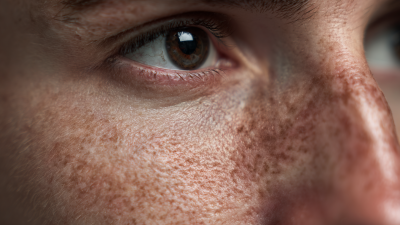
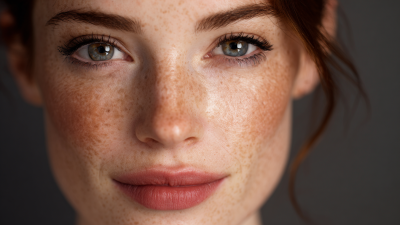
As skincare routines become increasingly personalized, the integration of advanced technology has begun to transform the industry. Notably, skin analysis tools have emerged as pivotal instruments in providing tailored skincare solutions, allowing consumers to make informed decisions based on concrete data. In a recent report, the global skin care devices market was valued at approximately $14 billion in 2020 and is expected to grow significantly, which underscores the burgeoning demand for precision tools that enhance skin health (Research and Markets, 2021). At Shanghai May Skin Information Technology Co., Ltd., our dedication to R&D and innovation in skin analyzers exemplifies this trend. Our commitment to producing state-of-the-art beauty equipment reflects the industry's shift towards data-driven skincare regimens. By leveraging Skin Analyse technology, we can empower individuals to unlock radiant skin with customized strategies that meet their unique needs, ultimately revolutionizing their skincare experiences.

The Importance of Skin Analysis in Personalized Skincare
Understanding the unique needs of your skin is crucial for developing an effective skincare routine. Skin analysis tools play a pivotal role in this process, allowing individuals to gain insights into their skin type, conditions, and specific concerns. By evaluating factors such as hydration levels, oil production, and pigmentation, these tools enable personalized recommendations that cater to each person's unique skin profile. This tailored approach not only enhances the effectiveness of skincare products but also fosters healthier skin in the long run.
Personalized skincare is increasingly being recognized for its importance in achieving radiant and youthful skin. Generic products often fail to address the unique challenges posed by different skin types and environmental factors. With skin analysis tools, users can identify the most suitable ingredients and routines, optimizing their skincare regimen for maximum results. This precision helps avoid common pitfalls such as over-exfoliation or using inappropriate treatments, ultimately leading to a more harmonious relationship with one's skin. As technology continues to evolve, the future of skincare will likely rely on personalized insights, making skin analysis an essential component of modern skincare practices.
Understanding Your Skin Type: A Game Changer for Skincare Routines
Understanding your skin type is essential for effective skincare. With a plethora of products on the market, it can be overwhelming to determine which ones will truly benefit your unique skin needs.
Skin analysis tools have emerged as vital instruments in this process, offering personalized insights that help individuals decode their skin’s specific needs. By identifying whether your skin is oily, dry, sensitive, or a combination, these tools provide a foundational understanding that enhances the effectiveness of your skincare regimen.
Using skin analysis tools empowers you to choose products that cater to your skin’s unique characteristics. For instance, those with oily skin can benefit from lighter, oil-free moisturizers, while individuals with dry skin might opt for richer, more hydrating formulas. Furthermore, these tools can highlight potential concerns such as sensitivity or acne, allowing users to avoid harsh chemicals and irritants. As a result, customizing your routine not only improves skin health but also fosters a deeper connection with your skincare journey, ultimately leading to a radiant complexion.
How Technology Enhances Skin Diagnosis and Treatment
Advancements in technology have significantly transformed the landscape of skin diagnosis and treatment, bringing a new level of precision and personalization to skincare routines. Skin analysis tools, equipped with sophisticated algorithms and imaging technology, can evaluate various skin conditions with a high degree of accuracy. These tools assess factors such as texture, pigmentation, and moisture levels, allowing for a comprehensive understanding of an individual's skin health. This data-driven approach empowers both skincare professionals and consumers to make informed decisions about their skincare products and routines.
Moreover, the integration of artificial intelligence in skin analysis provides tailored recommendations that cater to individual needs. By analyzing a person's unique skin profile, these technologies can suggest optimal products and treatments, enhancing the effectiveness of skincare regimens. Not only does this lead to better outcomes, but it also fosters a more engaging and responsive skincare experience. As technology continues to evolve, the potential for even more sophisticated tools promises to further revolutionize skin care, making personalized treatments more accessible and effective for everyone.
Unlocking Radiant Skin: How Skin Analyse Tools Revolutionize Your Skincare Routine
| Skin Condition |
Common Symptoms |
Recommended Treatments |
Skincare Tools |
| Dry Skin |
Flakiness, Rough texture |
Moisturizers, Hydrating serums |
Skin hydration analyzers |
| Oily Skin |
Shininess, Enlarged pores |
Oil-free moisturizers, Clay masks |
Sebum measurement tools |
| Acne-Prone Skin |
Pimples, Cysts |
Salicylic acid treatments, Retinoids |
Acne diagnostic tools |
| Sensitive Skin |
Redness, Irritation |
Gentle cleansers, Anti-redness creams |
Skin sensitivity analyzers |
| Aging Skin |
Wrinkles, Fine lines |
Anti-aging serums, Retinols |
Skin elasticity testers |
The Benefits of Using Skin Analysis Tools Regularly
Skin analysis tools have become essential for anyone seeking to enhance their skincare routine. By providing in-depth insights into skin type, condition, and specific concerns, these technologies allow users to tailor their regimens effectively. Tools such as VISIA, DermaScan, and VECTRA 3D offer varying features that cater to diverse skincare needs. For instance, VISIA employs multi-spectral imaging to assess skin age, pigmentation, and pore size, while DermaScan specializes in moisture and oil content analytics. Pricing for these tools can range significantly; basic versions start around a few hundred dollars while advanced setups may exceed several thousand, reflecting the sophistication of the analysis they provide.

Regular utilization of skin analysis tools can offer remarkable benefits. Research polls indicate that 70% of users report a noticeable improvement in their skin’s health after adopting a personalized skincare routine based on their analysis results. Moreover, these technologies empower consumers by demystifying the skincare process, making informed choices, and ultimately enhancing product efficacy. As beauty continues to intertwine with emerging technologies, integrating generative AI into the analysis and recommendation frameworks promises to transform the industry further, offering even more tailored skincare solutions by 2025.
Integrating Skin Analysis into Your Daily Skincare Regimen
Integrating skin analysis into your daily skincare regimen can profoundly transform your approach to personal care. With over 60% of consumers expressing dissatisfaction with their skincare products due to ineffectiveness, utilizing skin analysis tools serves as a crucial solution. According to a 2023 report from the Skin Health Institute, personalized skincare routines, guided by accurate skin assessments, lead to a 40% increase in user satisfaction and improved skin conditions within just six weeks.

These innovative tools leverage advanced technology to assess individual skin types and conditions, measuring factors such as hydration levels, pigmentation, and wrinkle depth. A recent survey conducted by the Cosmetic Science Alliance found that 75% of users reported enhanced results when their skincare regimen was tailored to their skin analysis findings. Integrating these insights not only optimizes product selection but also allows for timely adjustments, ensuring that your skincare routine evolves alongside your skin’s needs. By embracing skin analysis, you empower yourself to achieve radiant skin through informed choices and personalized care.
From Data to Glow: The Impact of Analysis on Skin Health
The integration of advanced skin analysis tools is transforming skincare routines worldwide, linking data-driven insights to enhanced skin health. Recent clinical studies highlight the efficacy of these tools in identifying specific skin concerns, thus allowing for personalized treatment plans. For example, the market for skincare and beauty products is projected to grow significantly, with a compound annual growth rate (CAGR) of approximately 6.36% in Europe by 2032, reflecting consumer demand for customized solutions (Mintel).
Tip: Consider utilizing a skin analysis tool that can evaluate your skin type and conditions. This will ensure that the products you select are tailored to your unique needs, promoting optimal results.
Skin analysis technologies leverage massive datasets from clinical research to optimize formulations and product selections. These innovations not only foster a clearer understanding of individual skin conditions but are also influencing the broader beauty market. As people become more informed about their skincare needs, sales in personalized beauty solutions are expected to rise.
Tip: Regularly assess your skin health with innovative tools and adjust your routine accordingly. This proactive approach can prevent long-term skin issues and enhance your overall radiance.
FAQS
: Skin analysis is crucial because it helps individuals understand their unique skin type and specific concerns, enabling tailored recommendations that enhance the effectiveness of skincare products.
Skin analysis tools evaluate factors such as hydration levels, oil production, and pigmentation to provide insights into an individual's skin health, helping them choose suitable products and routines.
Personalized skincare helps individuals address their unique challenges, leading to better results, avoiding common mistakes like over-exfoliation, and fostering healthier skin over time.
Yes, these tools can determine whether your skin is oily, dry, sensitive, or a combination, which serves as a foundation for creating an effective skincare regimen.
Technology improves skin diagnosis through sophisticated algorithms and imaging tools that accurately assess skin conditions like texture, pigmentation, and moisture levels.
Artificial intelligence provides tailored product and treatment recommendations based on an individual's unique skin profile, enhancing the effectiveness of skincare regimens.
Knowing your skin type allows you to select products that cater specifically to your needs, such as choosing lighter moisturizers for oily skin or richer formulas for dry skin.
Personalized skincare can help avoid mistakes such as using inappropriate treatments or harsh chemicals that may irritate the skin, leading to better overall skin health.
The future of skincare technology promises more sophisticated tools that will make personalized treatments more accessible and effective, continuously enhancing the skincare experience.
Conclusion
The article "Unlocking Radiant Skin: How Skin Analyse Tools Revolutionize Your Skincare Routine" emphasizes the pivotal role of skin analysis in tailoring personalized skincare regimens. By understanding individual skin types, users can make informed decisions about their skincare products, leading to more effective results. Advances in technology significantly enhance the accuracy of skin diagnosis and treatment, allowing for regular monitoring that can adapt to changing skin needs.
Moreover, incorporating skin analysis tools into daily routines not only helps to maintain skin health but also fosters a deeper connection between users and their skincare practices. As a leading beauty equipment manufacturer, Shanghai May Skin Information Technology Co., Ltd. understands the importance of these innovations. By focusing on R&D in skin analyzers and offering OEM and ODM services, the company is at the forefront of revolutionizing how consumers approach their skincare, ultimately transforming data into a radiant glow.