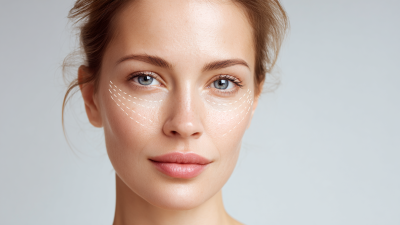
In today's ever-changing skincare world, Skin Analyse tools have really become a game-changer for lots of people. They let you get a pretty accurate look at your skin’s condition—kind of like having a tiny skin expert in your pocket. For folks all over the globe, understanding your skin is super important if you want to make the most of your beauty routine.
There are quite a few brands out there that focus on these tools. Names like Dermalogica and SkinCeuticals stand out with their high-tech solutions. These gadgets can tell you your skin type, how hydrated you are, and even flag specific issues you might not have noticed. That said, I’d say it’s wise to take the results with a grain of salt—sometimes, they can be a bit off or even give conflicting info, which can be confusing.
Choosing a reliable device is kinda crucial. It pays to do some homework—read reviews, compare different options, and see what real users are saying. Keep in mind, what works perfectly for one person might not be ideal for another. If you spend a little time understanding these differences, your skincare journey will be way more effective—and maybe less frustrating too.
In the beauty industry, skin analysis tools play a crucial role. These tools help professionals assess skin conditions accurately. They provide insights into hydration levels, pigmentation, and blemishes. With these insights, beauty experts can recommend tailored products. Many tools use advanced technology like AI and imaging. This enables a more precise diagnosis.
However, not all tools are created equal. Some might lack accuracy or require constant updates. Users often report varying results based on the tool's calibration. This inconsistency can lead to confusion. It is essential for buyers to do their research well. Understanding the features and limitations of each tool is vital.
Moreover, the learning curve can be steep. Professionals need time to master the technology. Continuous education is necessary to keep up with trends. Feedback from experienced users can be invaluable. Many tools might seem user-friendly but could surprise users with their complexity. Balancing technology and human intuition is key in the skin analysis process.
Skin analysis plays a crucial role in achieving personalized beauty solutions. It involves assessing individual skin types, conditions, and needs. A thorough analysis can reveal issues like dehydration, sensitivity, or signs of aging. Understanding these factors allows for tailored skincare regimens.
Personalized skincare can significantly improve outcomes. However, not all tools provide accurate assessments. Users should approach results critically. It's essential to balance technology with professional guidance. Misinterpretations can lead to unsuitable products being used.
Recognizing that skin changes over time is vital. Factors such as weather, stress, or diet can alter skin behavior. Regular analysis helps in adapting routines effectively. This adaptability is key in maintaining skin health. Continuous learning and adjusting to personal needs lead to better results.
Skin analysis tools are vital for understanding skin health. They come in various forms. Each tool serves a unique purpose, helping users make informed decisions about their skincare routine.
Mobile applications are increasingly popular among users. They often use simple photos to analyze skin tone and texture. Some apps can even detect skin issues like dryness or oiliness. However, results may vary based on lighting and image quality. It’s essential for users to approach these tools with a healthy dose of skepticism.
Professional devices, such as skin scanners, offer in-depth analysis. They measure hydration levels, UV damage, and pore size. These tools provide reliable data for expert recommendations. Yet, they may require trained personnel for accurate use. Common issues arise from misinterpretation of results. Users must engage with trained specialists for guidance. This ensures the advice received is based on accurate readings.
When exploring skin analysis technologies, several key features stand out.
Accuracy is crucial. Reports suggest that accurate skin analysis can improve treatment efficacy by up to 70%. This is essential for both consumers and professionals in the beauty industry. A reliable tool should offer precise readings of skin conditions, including hydration and elasticity.
User-friendly interfaces are another important aspect. Analyses need to be understandable, making data accessible. A tool that presents results clearly can enhance user experience. Many advanced tools now incorporate AI, providing deeper insights and generating personalized skincare routines. However, reliance on technology poses risks. Algorithms can sometimes misinterpret data, which might lead to misguided recommendations.
In addition, regular software updates are vital. The beauty and skincare industry rapidly evolves, influenced by new research. Tools that adapt quickly can maintain their reliability. Buyers should also consider customer support and data security. Personal data protection is paramount, especially as skin analysis involves sensitive information. While technology promises advancements in beauty, potential pitfalls exist. Users must approach these tools with careful consideration.
The beauty industry is rapidly embracing skin analysis tools. These tools provide invaluable insights, allowing consumers to understand their skin better. According to recent data, 59% of users report improved skincare routines after using skin analysis tools. This significant percentage emphasizes the importance of informed decisions in personal care.
Various brands are stepping up to meet this demand. They offer high-tech devices that analyze skin tone, texture, and hydration levels. These devices utilize advanced algorithms and technology, providing users with precise readings. However, not every tool on the market guarantees accuracy. A portion of consumers often feel overwhelmed by the data presented or find it hard to apply the insights practically.
It's also essential to acknowledge that skin analysis is not a one-size-fits-all solution. Individual skin concerns can vary widely. Even the best tools may not consider every variable, such as environmental factors or personal habits. Reflection on these limitations can guide users toward a more holistic skincare approach, reminding them to balance technology with personal experience.
| Tool Type | Features | Accuracy (%) | User Feedback (%) | Price Range (USD) |
|---|---|---|---|---|
| Skin Scanner | Moisture Measurement, UV Damage Assessment | 90 | 95 | 150 - 300 |
| Facial Analyzer | Pore Size Analysis, Skin Tone Evaluation | 85 | 90 | 200 - 400 |
| Skin Health Tracker | Hydration Levels, Elasticity Measurements | 88 | 92 | 100 - 250 |
| Wrinkle Detector | Fine Line Detection, Aging Assessment | 91 | 94 | 250 - 500 |
| Pigmentation Analyzer | Spot Detection, Melanin Measurement | 89 | 93 | 120 - 280 |
User experiences with skin analysis tools reveal a mix of satisfaction and learning curves. Many users appreciate the immediate results these tools provide. They enjoy analyzing their skin’s condition and receiving personalized recommendations based on data. However, some find the initial setup challenging. Adjusting the lighting and camera angles can be tricky. Users often share stories of spending extra time on this step to get accurate readings.
Feedback consistently highlights the importance of features like skin hydration and oiliness measurement. Some users were surprised by the analysis results, prompting them to change their skincare routines. For instance, discovering dehydrated skin led one user to incorporate more hydrating products. Yet, reliance on technology also raises questions. Not every tool offers complete accuracy, and some users caution against overreacting to results. They suggest using insights as a guideline rather than an absolute truth.
Reviews also indicate that the user interface plays a crucial role. A simple design enhances the experience, making it easier to navigate. Frustration can arise from overly complicated features. This feedback serves as a reminder that user experience matters. Overall, people's stories reflect a blend of excitement and caution in using these tools for beauty enhancement.
The beauty industry is evolving rapidly, driven by advancements in skin analysis technology. These innovations are helping consumers understand their skin better, leading to personalized beauty routines. With tools that analyze skin hydration, texture, and pigmentation, users gain insights tailored to their unique needs. This shift promises to make beauty routines more effective and satisfying.
Tips: Regularly assess your skin condition. Buy skin analysis tools that suit your needs. Stay updated with the latest technology.
Emerging trends hint at increased integration of artificial intelligence in skin analysis. AI can enhance diagnostic accuracy and suggest products based on individual data. However, the reliance on technology raises concerns about privacy and data security. Users must consider how their information is managed and utilized by technology providers.
Tips: Choose reputable sources for skin analysis tools. Check their data privacy policies. Be cautious about sharing personal information.
The future of the beauty industry hinges on this delicate balance between technology and personal experience. Consumers might appreciate the convenience of customized recommendations but should also reflect on their engagement with these technologies. Beauty should remain a personal journey, enriched, not dictated, by innovations.
Unlocking the secrets of skin health is becoming increasingly essential in today's beauty industry. With the rise of advanced diagnostic tools, professionals in beauty salons, skin care centers, and spas can provide tailored treatments that meet the specific needs of their clients. One such innovative tool is a 3D facial skin analyzer, designed to offer in-depth assessments of skin conditions and help practitioners create effective skincare regimens. This sophisticated device is particularly advantageous for commercial use, allowing businesses to elevate their service offerings and improve client satisfaction.
The comprehensive features of a 3D facial skin analyzer enable practitioners to analyze various skin types and conditions, offering insights into hydration levels, pigmentation, pore size, and more. By incorporating this technology into their services, beauty establishments can not only enhance their diagnostic capabilities but also build trust with clients through personalized skincare advice. While investing in high-quality equipment is crucial, it’s important to note that certain accessories, such as an iPad for operation, need to be purchased separately. This additional consideration ensures that practitioners are well-equipped to deliver top-notch services and remain at the forefront of the skincare industry.
: Users have mixed feelings. Many enjoy immediate results, but setup can be challenging.
Adjusting lighting and camera angles can be tricky. Some spend extra time to ensure accuracy.
Tools reveal skin issues. Some users change their routines upon discovering conditions like dehydration.
Not necessarily. Results may vary in accuracy, so consider insights as guidelines.
A simple design enhances navigation. Complicated features can frustrate users, affecting their experience.
Increased AI integration may improve diagnostic accuracy. However, privacy concerns are important to consider.
Choose tools that fit your needs and check their data privacy policies before use.
Engage with tools thoughtfully. Remember, beauty should be a personal journey, not just technology-driven.
Regularly assess skin conditions and stay updated with the latest analysis tech available.
Users feel excitement but also caution about their reliance on technology for beauty advice.
In the ever-evolving beauty industry, skin analysis tools have become essential for consumers seeking personalized beauty solutions. By utilizing these tools, individuals can gain insights into their skin types, conditions, and specific needs, making it easier to select appropriate skincare products and treatments. The significance of skin analysis lies in its ability to tailor beauty regimes, allowing for a more effective and customized approach to skincare.
Various types of skin analyse technologies exist, each offering unique features that cater to different aspects of skin health. When choosing a skin analysis tool, buyers should consider factors such as accuracy, ease of use, and the depth of information provided. As the industry continues to innovate, future trends are expected to focus on enhanced integration of skin analysis tools with beauty routines, ensuring that users can effortlessly achieve their desired skincare outcomes based on data-driven insights.