


In the fast-changing world of facial recognition tech, getting accurate and secure results is super important. Dr. Emily Carter from SecureVision Inc. points out that, 'Getting precise in facial scanner analysis can really shake up how we think about security.' It’s a reminder of just how vital it is to optimize these systems to make sure they’re reliable.
Facial scanning isn’t just about identifying people — it’s also a key player in protecting personal data. Honestly, a lot of companies overlook how much environmental factors can mess with the accuracy. Things like poor lighting or bad camera quality can throw off the results pretty easily. Developers need to keep working on these issues to keep improving performance.
And as technology moves forward, there’s also the tricky topic of ethics creeping in. Finding the right balance between security and privacy isn’t always easy. Companies should really think about how they collect data and be aware of potential biases. Moving ahead, the industry should focus more on being transparent and responsible, all while making the most of what facial scanner analysis can really do.

Understanding the Basics of Facial Scanning Technology
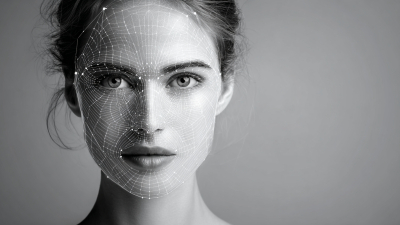
Facial scanning technology utilizes advanced algorithms to analyze facial features. It primarily measures the unique characteristics of an individual's face. These features include the distance between eyes, nose shape, and jawline contours. Accurate results depend on high-quality images and optimal lighting conditions. Dim lighting or glare can distort facial features, affecting accuracy.
Understanding facial scanning also involves recognizing its limitations. Environmental factors, like background distractions, can confuse the system. Additionally, facial changes over time, such as aging or facial hair growth, may impact recognition. Systems need regular updates to adapt to these changes.
Adopting facial scanning for security purposes raises ethical considerations. Users must be aware of privacy implications. Organizations should strive for transparency in how data is collected and stored. Trust in the technology grows with clear communication. Implementing robust security measures also safeguards sensitive information better. Overall, a balanced approach fosters effective use of facial scanning while ensuring security and privacy.


Unlocking Skin Health Insights: The Impact of Meicet 3D Full Facial Skin Analyzer MC88 on Commercial Skincare Solutions
The beauty and skincare industry is rapidly evolving, with technology playing a pivotal role in shaping commercial solutions. A significant advancement is the utilization of 3D facial skin analyzers, such as the Meicet 3D Full Facial Skin Analyzer MC88, which offers profound insights into skin health. According to a recent market report by Grand View Research, the global skin care devices market is projected to reach USD 20.78 billion by 2025, showcasing a growing demand for sophisticated skin analysis tools. These devices allow beauty professionals to provide tailored skincare recommendations based on individual skin conditions, enhancing client satisfaction and treatment efficacy.
The MC88 serves as an essential tool for beauty salons, skincare centers, and spas, enabling practitioners to analyze skin types in-depth and identify specific issues such as hydration levels, pigmentation, and texture. Research from the International Journal of Cosmetic Science indicates that personalized skincare treatments can increase client retention rates by over 30%, reinforcing the importance of accurate skin assessments. This device's ability to deliver detailed skin reports empowers beauty professionals to craft customized skincare products and solutions, ultimately fostering a more informed approach to skin health.
By integrating the MC88 into their services, establishments can benefit from improved service quality and client relationships. Moreover, the growing trend towards personalized skincare highlights the necessity for businesses to adopt such advanced diagnostic technologies. As the market continues to shift towards a more individualized approach, tools that provide comprehensive skin insights will remain fundamental to success in the ever-competitive beauty landscape.

FAQS
: The product aims to enhance user experience in daily tasks and activities. It simplifies routines.
Follow the provided instructions closely. Experiment with different settings for better results.
Yes, it is designed for various settings, though some adjustments may be needed.
Troubleshooting guides are available. Common problems include connectivity and setup errors.
Typically, a limited warranty is offered. Check the product details for exact duration.
Regular cleaning and updates are advisable. Neglect can lead to performance issues.
Return policies vary. Ensure you familiarize yourself with the specific terms.
Customer support can be reached through email or phone. Response times may vary.
Yes, many users share tips and experiences online. Joining can be beneficial.
Evaluate your needs and usage. Some features may not be necessary for everyone.
Conclusion
Facial Scanner Analysis is a crucial aspect of modern biometric technology, focusing on enhancing both accuracy and security in various applications. Understanding the fundamentals of facial scanning technology lays the groundwork for grasping the factors that influence recognition accuracy. Critical elements include lighting conditions, camera quality, and algorithm effectiveness. Implementing best practices, such as proper calibration and regular updates, can significantly improve system performance.
Additionally, ensuring data security is paramount, as the sensitive nature of biometric data requires stringent measures to protect against breaches. Regulatory compliance and ethical considerations are essential to maintain public trust and ensure responsible use of facial recognition technology. As the field evolves, staying informed about troubleshooting common issues and anticipated trends can further enhance the effectiveness and security of facial scanning systems, ensuring their integrity and functionality in various environments.
Related Posts
-

Unlocking the Future: How Face Scanner Technology is Revolutionizing Personal Security
-

Unlocking Skin Secrets: How Facial Scanner Analysis Revolutionizes Skincare Routines with AI Insights
-
5 Essential Tips to Maximize ROI with Face Analyzers in Skincare Market Growth
-

Top 10 Facial Skin Scanners to Transform Your Skincare Routine
-

Why Use Face Analyser Technology for Enhanced Personalization?
-

What is Body Elements Analyzer and How Does It Work?


