0%

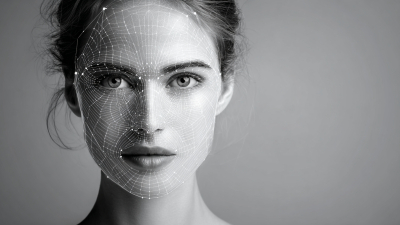
Facial scanner analysis is really changing the game when it comes to security systems — and honestly, it’s happening faster than you might expect. Companies like FaceFirst and NEC are really pushing this technology forward. They’ve developed solutions that can identify people in real-time with pretty impressive accuracy. It’s definitely making a difference in keeping places like airports, public venues, and workplaces safer.

That said, it’s not all sunshine and rainbows. As these facial recognition tools become more common, a lot of folks are understandably worried about privacy and how their data is being used. I mean, can we really trust these companies to keep our information safe? And then there’s the issue of bias — the fact that facial recognition software sometimes isn’t fair to everyone. Making sure this tech works equally well for all people really matters if we’re going to keep moving forward.

Of course, every new tech has its responsibilities. While facial scanner analysis definitely boosts security, it also brings up some tough questions about ethics. Finding the right balance between staying safe and respecting people’s privacy is going to be a bit of a tightrope walk for society in the coming years. It’s super important that we keep chatting about these issues as this technology keeps evolving — to make sure we’re using it in a fair and right way.

Why is Facial Scanner Analysis Revolutionizing Security Systems?

The Evolution of Facial Recognition Technology

Facial recognition technology has evolved significantly over the years. Initially, it relied on basic algorithms and static images. Early systems were often slow and inaccurate. Users faced many false positives. However, today’s facial scanners incorporate advanced machine learning. They can analyze facial features in real-time, allowing for faster verification.

The evolution doesn’t come without challenges. Privacy concerns have surfaced as the technology permeates different sectors. Misidentification can lead to wrongful accusations. Additionally, not all demographics are represented equally in data. This can skew results and reinforce biases. It raises questions about fairness in security measures. As systems grow smarter, the importance of ethical considerations increases.

Continued development in facial recognition also raises questions about security and trust. How secure is the data collected? Who has access to this data? These concerns require careful examination. The balance between enhanced security and personal privacy is delicate. Finding that midpoint is essential for a responsible future in security systems. As we move forward, critical discussions around these issues will only grow more important.

The Science Behind Facial Scanner Analysis

Facial scanner analysis is reshaping our understanding of security systems. This technology relies on advanced algorithms and artificial intelligence. It recognizes unique facial features, such as the distance between eyes and the shape of the jaw. These details create a digital map of a person’s face.

The science behind this technology is fascinating yet imperfect. While it can rapidly identify individuals, errors can arise. Poor lighting, shadows, or even facial expressions can impact accuracy. Not every system adapts well to diverse environments. Some studies have shown bias in recognition rates across different demographics. As we embrace this tool, critical reflection is essential.

Moreover, the ethical implications deserve attention. Privacy concerns arise when collecting facial data. Misuse of data can lead to unintended consequences. Balancing security with individual rights is a complex challenge. Society must engage in discussions about proper use and oversight. Understanding these complexities will ensure that facial scanner analysis serves us effectively.

Why is Facial Scanner Analysis Revolutionizing Security Systems? - The Science Behind Facial Scanner Analysis

Feature Description Impact on Security Average Accuracy Rate
Real-time Recognition Analyzes live video feeds to identify individuals instantly. Enhances threat detection and response times. 90%
Enhanced Security Protocols Integrates with existing security systems for better efficacy. Reduces unauthorized access significantly. 85%
User Privacy Features Includes options for anonymization and data protection. Addresses public concerns regarding surveillance. N/A
Scalability Can be expanded for use in large venues and crowds. Provides security for mass gatherings efficiently. 88%
Adaptability Adapts to various lighting and environmental conditions. Improves reliability in diverse scenarios. 92%

Applications of Facial Scanners in Security Systems

Facial scanners are transforming security systems across various sectors. Their applications are extensive, from airports to corporate offices. According to a recent industry report, the facial recognition market is expected to reach $9.6 billion by 2022. This showcases a growing trust in this technology.

In airports, facial scanners expedite passenger identification. They reduce wait times at security checks. Biometric systems can identify individuals in seconds. However, the technology is not flawless. There have been concerns about accuracy, especially with diverse demographics. A study found that misidentification rates are higher for certain ethnic groups. This raises questions about fairness and inclusivity.

For businesses, integrating facial scanners can enhance security. Cameras can monitor entrances and exits effectively. However, privacy concerns persist. Employees may feel uneasy with constant surveillance. It’s crucial to balance security and privacy. Here are some tips:

  • Foster open communication about the usage of such technology.
  • Implement clear policies to protect data.
  • Regularly review the effectiveness of the system to address any potential biases.

Adopting these practices can lead to more secure environments while respecting individual rights.

Advantages of Using Facial Recognition for Security

Why is Facial Scanner Analysis Revolutionizing Security Systems?

Facial recognition technology is reshaping security systems globally. This innovation offers several advantages. It enhances security by accurately identifying individuals in real-time. With high-resolution cameras, these systems can analyze faces effectively. In busy environments like airports, it expedites identity verification. Crowd control becomes more manageable. However, reliance on cameras raises privacy concerns.

Another significant benefit is efficiency. Traditional security checks can be slow and tedious. Facial scanners streamline the process, reducing wait times. They can quickly flag unauthorized individuals, leading to swift responses. Yet, this technology is not foolproof. Factors like lighting or angles can hinder accuracy. It necessitates a continuous review of systems to ensure reliability.

Moreover, the adaptability of facial recognition systems is noteworthy. They integrate easily with existing security measures. This compatibility enhances overall safety without significant overhauls. Nevertheless, organizations must remain vigilant about data storage and usage. Ethical implications must guide implementations to maintain public trust. The balance between security and privacy is delicate. Each advancement invites reflection on its broader impact.

Challenges and Limitations of Facial Scanner Technology

Facial recognition technology is transforming security systems. However, it faces significant challenges and limitations. Privacy concerns top the list. Many people feel uncomfortable with constant surveillance. Data breaches also pose a risk. If the system is hacked, personal data can be misused.

Another issue is accuracy. Facial scanners can misidentify individuals. This is especially true in crowded areas. Environmental factors such as lighting and angle affect performance. Inconsistent results can lead to false accusations or mistakes in security actions.

Tips for better facial recognition use: ensure systems are regularly updated. Incorporate multiple verification measures for security. Educate users about their privacy rights. A transparency approach may build trust. Balancing security and privacy is crucial. Reflection is needed on how we implement this technology.

The Future of Facial Recognition in Global Security

Facial recognition technology is shaping the future of global security. Its ability to analyze features quickly makes it increasingly valuable. Major cities are using facial scanners to identify individuals in real-time. Imagine walking through a crowded airport; cameras are scanning faces to enhance safety.

However, the rise of this technology brings challenges. There are concerns about privacy and data misuse. Misidentifications can occur, leading to wrongful accusations or unnecessary alarms. Each system's accuracy varies, and there are debates about reliability.

People are also worried about surveillance overreach. While security is essential, it shouldn't infringe on personal freedoms. Finding a balance between safety and privacy is crucial. As faces become the new keys to safety, understanding these complexities is vital for a secure future.

Ethical Considerations and Privacy Concerns in Facial Scanning

Why is Facial Scanner Analysis Revolutionizing Security Systems?

Facial scanner analysis offers significant advantages for security systems, yet it raises ethical concerns. Privacy is at the forefront. Many users feel uneasy about constant surveillance. Being tracked can feel invasive, even if it prevents crime. The balance between security and personal freedom is delicate.

Tips for ensuring privacy include being aware of where your data goes. Always read the privacy policy of any service. Know how your facial data is stored and used. Ask if it's shared with third parties. Understanding these details can help users feel more secure.

The potential for misuse also deserves attention. Facial recognition can falsely identify individuals. This can lead to wrongful accusations. As technology evolves, so must our approach to ethics. Engaging in discussions about these issues is crucial. Without dialogue, we risk normalizing invasive practices. It’s essential to reflect on the implications of our security choices.

Harnessing Advanced Skincare Technology: The Benefits of Meicet 3D Full Facial Skin Analyzer MC88 for Commercial Use

The Meicet 3D Full Facial Skin Analyzer MC88 represents a groundbreaking advancement in skincare technology, specifically tailored for commercial applications in beauty salons, skincare centers, and spas. This cutting-edge device leverages sophisticated imaging techniques to provide in-depth analysis of skin conditions, allowing professionals to deliver personalized treatments based on precise data. According to a recent report by the Global Spa & Wellness Economy, the spa industry is projected to reach USD 154 billion by 2022, underscoring the increasing demand for innovative products that can enhance client experiences and outcomes.

The MC88 offers a comprehensive analysis of skin issues, including pigmentation, wrinkles, and overall hydration, providing practitioners with actionable insights to tailor their services effectively. Studies indicate that treatments based on detailed skin analysis can improve customer satisfaction by up to 60%, as clients increasingly seek personalized skincare regimens. By incorporating the Meicet MC88 into their offerings, beauty professionals can set themselves apart in a competitive market, ensuring they meet the evolving needs of their clientele while maximizing revenue potential.

Moreover, the device's user-friendly interface and compatibility with existing spa technologies enable seamless integration into daily operations. As the beauty industry continues to embrace digital transformation, investing in tools like the Meicet 3D Full Facial Skin Analyzer can provide a significant competitive edge, empowering skincare experts to deliver enhanced services and foster long-term client relationships. While it’s vital to note that the iPad is not included, the operational effectiveness of the analyzer remains its core attraction, underscoring the value it adds to any professional setting.

FAQS

: What roles do facial scanners play in security systems?

: They are used for passenger identification in airports and monitoring in businesses.

How does facial recognition technology impact wait times?

It significantly reduces wait times at security checks by identifying individuals quickly.

What are some concerns regarding facial scanner accuracy?

Misidentification rates can be high for certain ethnic groups, sparking fairness issues.

Why do some employees feel uneasy about facial scanners?

Constant surveillance can lead to discomfort regarding personal privacy.

How can companies address privacy concerns with facial scanning?

Open communication and clear data protection policies can help alleviate worries.

What factors affect the accuracy of facial scanners?

Environmental conditions like lighting and angle can lead to inconsistent results.

How can the public’s trust in facial recognition be improved?

Regular updates and transparency about privacy rights are essential for building trust.

What risks are associated with facial scanning technology?

Data breaches can lead to misuse of personal data if systems are hacked.

What could happen with inconsistent results from facial scanners?

This can lead to false accusations or inappropriate security actions.

What should companies reflect on regarding facial scanner use?

A balance between security needs and privacy rights must be continually reassessed.

Conclusion

Facial Scanner Analysis has transformed security systems by enhancing identification accuracy and streamlining surveillance processes. The evolution of facial recognition technology has seen significant advancements in algorithms and sensor capabilities, allowing for sophisticated analysis that can quickly identify individuals in various environments. This technology applies to a wide range of security applications, from access control to monitoring public spaces, making it an invaluable tool for law enforcement and private security.

However, the implementation of Facial Scanner Analysis is not without challenges. Issues such as algorithm bias, privacy concerns, and regulatory hurdles pose significant questions about its ethical use. As society becomes increasingly reliant on this technology, addressing these concerns will be crucial for its future integration. The ongoing development and refinement of facial recognition systems promise to improve security measures while also necessitating a careful examination of the balance between safety and individual rights.

Oliver

Oliver

Oliver is a dedicated marketing professional at Shanghai May Skin Information Technology Co., Ltd., a leading manufacturer of beauty equipment and software solutions. With a deep understanding of the company’s innovative products, including advanced skin and body analyzers, Oliver effectively......
Previous 10 Essential Steps for Using the Dermalogica Face Mapping App to Elevate Your Skincare Business

Contact US to Learn More

Write your message here and send it to us