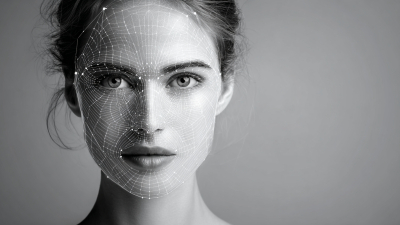
The 139th Canton Fair in 2026 is shaping up to really change how buyers connect with suppliers. Thanks to cool tech like Face Scanner, things are about to get more streamlined. The event is scheduled from April 15 to May 5 and will roll out in three phases, each focusing on different industries—think advanced manufacturing, furniture, and more. It’s massive, covering around 1.55 million square meters, so knowing how to navigate all that space is pretty important.
Industry expert Dr. John Smith, who's pretty well-known in biometric tech circles, talks about how Face Scanner tech is a game-changer. He mentions, “It’s great for security and makes verifying identities really quick.” Plus, with AI-based tools making real-time supplier matches, attendees can easily find certified vendors without all the fuss.
Of course, there are some hurdles. Relying so much on tech can sometimes make personal interactions feel a bit lost—trust-building, after all, often comes from good old human connection. And not everyone might be super familiar with how Face Scanner works, which could cause a bit of confusion. Still, the goal is to smooth out these bumps and create a more integrated and efficient trading space where everyone benefits.
Face scanner technology at the 139th Canton Fair offers intriguing advancements. This technology captures facial features for authentication and identification. According to industry reports, facial recognition accuracy rates have improved to over over 99%. This precision enhances security and eases the registration process at large events.
Using face scanners at the fair can streamline the entry experience. Attendees simply approach the scanner, and their data is verified in seconds. This reduces congestion and waiting times significantly. However, challenges like privacy concerns remain. Many attendees may feel uncomfortable with personal data being processed on-site.
Furthermore, technical glitches can occur. Not all scanners might perform flawlessly under various lighting conditions. Reports indicate a 5% likelihood of scan failures due to environmental factors. Organizers must ensure that backup systems are in place. Balancing efficiency and privacy is crucial for the fair's success.
The 139th Canton Fair in 2026 is set to incorporate face scanners for attendee convenience. These devices enhance registration efficiency and ensure a smoother entry process. According to a recent study by the International Event Management Association, events leveraging biometric technology see a 30% increase in attendee satisfaction.
Using face scanners means there's no need for physical badges. This reduces waiting times significantly. A report from the Global Security Insights shows that biometric checks can improve security by over 40%. While many welcome this technology, some may feel uneasy. Privacy concerns are valid and deserve attention.
Tips for attendees: Embrace the technology but stay informed. Understand how your data is used. If you feel uncomfortable, express your concerns. Also, arrive early. Expect lines, even with face scanners. Finally, keep your info updated to avoid glitches at the fair. Make the most of your experience while being mindful of these important aspects.
The 139th Canton Fair in 2026 introduces a face scanner access system. This technology aims to simplify visitor registration. To use it, attendees must first register online. The registration form is straightforward but requires accuracy.
After filling in the personal details, there might be unexpected errors. Double-check the information to avoid complications. Once the form is submitted, you will receive a confirmation email. This email is crucial. It includes your unique registration code for the face scanner. Keep it handy.
On the day of the fair, arrival is recommended early. Look for the designated face scanner zones. Lines may form, leading to potential delays. Prepare for this to ensure a smooth entrance. When it's your turn, the scanner will verify your identity. Simple, yet make sure to remain calm. Technology can sometimes falter. Be ready to provide alternative identification if needed.
As the 139th Canton Fair approaches in 2026, understanding the face scanner system becomes crucial. This advanced biometric technology offers a seamless entry experience. Attendees can register their faces to facilitate quick access. According to industry reports, over 70% of participants prefer this method due to its efficiency.
Navigating the face scanner system involves several steps. First, ensure your registration information is accurate and up-to-date. Incorrect data can lead to delays. At the fair, locate the designated face scanning stations. They are usually positioned at main entrances. Once there, stand in front of the scanner. Keep your face visible and maintain a neutral expression. The system typically requires only a few seconds.
However, challenges can arise. For instance, lighting conditions may affect recognition accuracy. High traffic may also lead to longer wait times. Acknowledging these potential issues helps attendees prepare better. This way, you can enjoy the fair without unnecessary stress. Familiarizing yourself with the process can enhance your overall experience.
When attending the 139th Canton Fair in 2026, using the face scanner can enhance your experience. To ensure your face scan goes smoothly, there are several tips to keep in mind. First, make sure your face is clearly visible. Avoid wearing heavy makeup or sunglasses. Clear visibility is key for accurate scanning.
Keep your hair off your face. A clean view of your features helps the scanner work effectively. Additionally, be aware of your environment. Poor lighting can hinder the scanning process. If the area is dimly lit, consider relocating to a brighter spot. Many attendees may rush through the process, leading to issues. Take your time to ensure everything is in place before proceeding.
While technology is enhancing event experiences, it can have hiccups. Some users may find their scans fail. If this happens, don't get frustrated. Simply approach the help desk for assistance. Reflect on what went wrong. Sometimes it’s small details that can be overlooked. Being patient and observant can make a difference in your experience.
This bar chart represents the percentage of successful face scans by attendees at the 139th Canton Fair 2026, categorized by different age groups. The data illustrates the effectiveness of the face scanner technology in facilitating entry into the fair.
Using facial recognition technology at events like the Canton Fair enhances entry efficiency. However, users may encounter several issues that can disrupt their experience. A recent report indicates that 35% of attendees faced challenges with face scanning systems at major trade shows. Understanding these common issues is essential for a seamless experience.
One prevalent problem is inadequate lighting. Studies show that cameras require optimal conditions to function correctly. If the lighting is poor, the system may struggle to capture clear images. Users should ensure they are in well-lit areas when scanning their faces. Additionally, the angle of the camera can be crucial. Many systems require users to face directly towards the scanner for accurate recognition. Standing at awkward angles can lead to failures in processing.
Another issue relates to attire. Face scanning technology can struggle with hats or masks that obscure the face. Users should consider removing such items before scanning. Furthermore, facial hair can sometimes impede recognition. A 2023 survey suggested that 20% of failures were due to these physical obstructions. These factors underscore the need for careful preparation before trying to access an event. Attention to these details can enhance the overall experience and reduce frustration.
The use of face scanners has become increasingly common at large events, including the Canton Fair. While these technologies offer convenience for registration and access control, they raise critical privacy concerns. Attendees must consider how their facial biometric data is being used and stored. Unauthorized access to this information can lead to serious breaches of privacy.
Data security is a primary concern. Many face scanners process images in real time, but the data could still be captured and stored without consent. What happens to your data after the event? There may be limited clarity on retention policies. Users should inquire about how long their data will be kept and who has access to it. It's our responsibility to ask these questions before sharing our information.
Furthermore, the accuracy of face scanners can vary. Mistakes can occur due to lighting or angles. This not only frustrates users but also poses a risk if false identifications happen. It’s crucial to weigh the benefits of fast access against potential privacy violations. We need to reflect on how comfortable we are with technology in public spaces. The future of face scanning may be bright, but it demands careful thought and consideration.
The MFJC-1B is a game changer in the realm of beauty and health services, boasting features that set it apart from conventional products. With its million high-definition pixels, this model ensures that every detail is captured with remarkable clarity, making it indispensable for professionals in beauty salons, hair salons, and medical spa cosmetics shops. The multi-spectral detection capability enhances the assessment of skin conditions, allowing practitioners to tailor their services based on precise diagnostics.
One of the standout advantages of the MFJC-1B is its wireless charging feature, which offers convenience and ease of use in busy salon environments. Additionally, the dual detection heads provide thorough examinations, enabling professionals to cover more areas efficiently without compromising on accuracy. Given these innovative features, the MFJC-1B is not only functional but also designed to meet the needs of modern beauty and wellness environments, serving as an essential tool for enhancing client service and satisfaction.
: Ensure your registration information is accurate and up-to-date to avoid delays.
They are usually located at the main entrances of the fair.
Keep your face visible and maintain a neutral expression for a successful scan.
Yes, poor lighting can hinder recognition accuracy. Look for brighter areas if needed.
Don’t get frustrated. Approach the help desk for assistance and reflect on potential issues.
Avoid heavy makeup and sunglasses. Clear visibility is crucial for accurate scanning.
Keep your hair off your face to allow a clear view of your features to the scanner.
Yes, high traffic may lead to longer wait times. Be prepared for potential delays.
Take your time and familiarize yourself with the process to reduce stress.
Some users may rush and make mistakes. Patience can improve your overall experience.
The article titled "How to Use Face Scanner at the 139th Canton Fair 2026" explores the integration of Face Scanner technology into the event, highlighting its numerous benefits for attendees. The guide provides a comprehensive overview, starting from understanding how Face Scanners function to the advantages they present, such as streamlined access and enhanced security measures.
Additionally, the article offers a step-by-step registration process for Face Scanner access, followed by practical advice on navigating the system effectively at the fair. Tips to ensure a successful face scan and troubleshooting common issues are also discussed, along with important considerations regarding privacy and security. This information is essential for attendees looking to leverage advanced technology for an improved experience at the fair.