0%

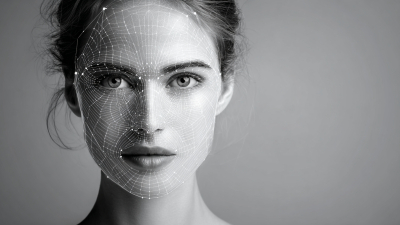
Facial Scanner Analysis is a pretty rapidly changing field these days. Experts are really stressing how important accuracy is. Dr. Emily Carter, who’s one of the top researchers over at TechVision Labs, mentions, “Getting the facial analysis just right can really make a difference.” Her insights highlight how crucial it is to master the techniques involved in this industry.

In a world where artificial intelligence is becoming everywhere, making sure facial scans are done properly is a big deal. Things like lighting conditions and camera angle can seriously affect how accurate the results are. Sometimes, a simple mistake like a misaligned camera or poor lighting can throw everything off. And honestly, these little oversights often go unnoticed, but they can impact the precision quite a bit.

Of course, Facial Scanner Analysis isn’t without its hurdles. Users need to be aware of the different variables that might mess with their results. The more you practice and think about what went wrong last time, the better you’ll get at getting accurate outcomes. Learning the subtle details really helps you make the most out of this innovative tech. And honestly, embracing a few imperfections along the way can actually lead to better improvements in the long run.

Facial Scanner Analysis Tips for Accurate Results

Understanding Facial Scanning Technology and Its Applications

Facial scanning technology has revolutionized the way we analyze facial features. It utilizes advanced algorithms to capture detailed data from faces, enhancing security measures and personal identification methods. This technology collects intricate details, such as facial geometry and skin texture. It requires a proper setup for accurate results, such as good lighting and a clear background.

However, there are challenges to consider. External factors can impact accuracy. Variations in lighting or angles may distort results. Even facial expressions can change measurements. Users must understand these influences to improve outcomes. Given these parameters, proper training for operators is essential. It ensures that data is interpreted reliably. Understanding these nuances can lead to better applications in various sectors, from law enforcement to retail.

Key Factors Influencing Facial Scanner Accuracy

Facial Scanner Analysis Tips for Accurate Results

Accurate facial scanner analysis relies on several key factors. Lighting conditions play a crucial role. Poor lighting can create shadows, affecting the scanner's ability to capture details. Scanning in bright, even light yields better results. Ambient light can also impact the output, so consider the surroundings.

Another important factor is the position of the subject. The scanner requires a precise angle for optimal accuracy. If the subject shifts or tilts their head, the results may become unreliable. It’s essential to instruct subjects to maintain a steady position. Small movements can lead to distortions in the facial data.

Facial features also influence results. Scanners may struggle with certain facial shapes or textures. Unique features, such as heavy makeup or facial hair, can hinder accuracy. It’s important to ensure a clean and natural look for the scan. Even subtle variations can lead to discrepancies, so minimizing these details is critical. Validating the scanned data against real-world images can help identify any potential errors.

Essential Preparation Steps for Facial Scanning Sessions

Facial scanning requires careful preparation for accurate results. Begin by cleansing your face thoroughly. Use a gentle cleanser to remove oils and impurities. Dry your skin completely with a soft towel. This step is crucial. Residue can interfere with scanning precision.

Next, consider your environment. Find a well-lit area with soft and diffuse light. Harsh lighting casts shadows that disrupt the scan. Avoid using makeup prior to the session; it alters your skin's appearance. If you wear makeup, allow time to remove it effectively.

Take a moment to relax before the scan. Stress can lead to facial tension, affecting the outcome. Try deep breathing exercises. Reflect on your expectations and remain open to imperfections in the scan. Not every scan will be flawless, and that's alright. Embrace the journey of self-discovery through this technology, even when results are less than perfect.

Common Challenges in Facial Scanner Analysis and Solutions

Facial scanner analysis is gaining traction in various sectors. However, challenges persist. A recent study shows that 30% of facial recognition systems struggle with diverse skin tones. This can lead to biased results, raising ethical concerns.


Lighting conditions significantly impact accuracy. Inconsistent light can distort features. Correct lighting is crucial for precise analysis. Poor lighting has been shown to decrease accuracy rates by up to 25%. Adjusting the environment can make a difference.


Data quality is another concern. Low-resolution images often yield inaccurate readings. Systems trained on high-quality datasets tend to perform better. Regular updates to imagery and software are essential. The industry suggests continuous evaluation of algorithms to address biases. Misinterpretations can lead to significant setbacks in implementation.

Best Practices for Ensuring Quality Data Capture

Facial scanner technology is evolving rapidly. Ensuring high-quality data capture remains a challenge. A recent industry report reveals that only 25% of captured scans meet accuracy standards. This indicates a significant room for improvement.

Lighting is crucial for clarity. Harsh lights can cast shadows, distorting facial features. On the other hand, low light may lead to a lack of detail. Ideally, a diffuse light source should be used. Maintaining consistency in lighting conditions is vital for reliable results.

Camera placement is another key factor. Positioning the scanner too close or too far can impact data quality. A distance of approximately three feet is often recommended. Additionally, various angles can provide richer data. If the capture angle is incorrect, it results in missed information. Regular calibration of scanning equipment is essential. Even slight misalignments can lead to errors. By prioritizing these practices, accuracy in facial scans can significantly improve.

Analyzing and Interpreting Facial Scanner Results Effectively

When analyzing facial scanner results, accuracy is key. The data provided can reveal valuable insights into emotional states, demographics, and even health indicators. Start by ensuring the lighting conditions are optimal. Shadows or bright reflections can skew results. Always check the calibration of the scanner. A miscalibrated device can produce misleading information.

Interpreting the results effectively requires a keen understanding of facial landmarks. Identify key areas such as eyes, mouth, and brow. Small changes in these regions can indicate different feelings or reactions. Pay attention to subtle shifts; they can be significant. Data should not be taken at face value, quite literally. Refine your interpretation skills by reviewing previous scans and outcomes. Each scan is a learning opportunity, revealing both strengths and weaknesses in your analysis approach. Regularly revisiting results leads to growth. And don’t shy away from questioning your findings; sometimes, the unexpected may hold the most value.

Future Trends in Facial Scanning Technology and Accuracy Improvements

Facial scanning technology is rapidly evolving. New algorithms enhance accuracy and speed. These trends offer significant improvements for various applications, from security to customer engagement. Companies explore artificial intelligence to refine detection methods. This combination of AI and biometric data leads to better performance.

Challenges remain despite these advancements. Environmental factors can hinder accuracy. For example, lighting conditions may affect readings. User variability also presents a concern. Skin tones and facial features differ widely. Scanners may struggle with certain demographics. This issue highlights the need for inclusive technology.

Future developments aim to address these limitations. Enhanced data sets can improve machine learning models. Collaboration among tech leaders and researchers is vital. They can share insights and innovations. As the technology progresses, we should remain critical. Continuous evaluation ensures that accuracy benefits everyone.

Facial Scanner Accuracy Over Years (2015-2023)

FAQS

: What is facial scanning technology?

: Facial scanning technology captures detailed facial data using advanced algorithms. It enhances security and personal identification.

How does lighting affect facial scanning accuracy?

Poor lighting creates shadows that distort details. Bright, even lighting yields more accurate results.

Why is the position of the subject important?

The scanner needs a precise angle. Shifting or tilting can lead to unreliable measurements.

Can facial expressions impact scanning results?

Yes, even small expressions can change measurements. A steady demeanor is important for accuracy.

What facial features may hinder scanning accuracy?

Unique features, heavy makeup, or facial hair can impact results. A clean, natural look improves scanning effectiveness.

How can I ensure better outcomes with facial scanning?

Understand external factors, like lighting and position. Proper training for operators also enhances data interpretation.

What challenges should users consider?

Variations in lighting, angles, and expressions can distort results. Users must be aware to improve accuracy.

Should I validate scanned data?

Yes, comparing scans to real-world images helps identify errors. This step is crucial for reliable results.

Conclusion

Facial Scanner Analysis is an evolving field that harnesses advanced technology for various applications, from security to healthcare. Understanding the underlying technology and its capabilities is essential, as numerous factors, such as lighting, angle, and skin texture, can influence the accuracy of results. Proper preparation before a scanning session, including optimizing the environment and ensuring clear facial visibility, significantly enhances data capture quality.

Despite its advancements, common challenges persist, such as variations in individual facial features and environmental conditions. Addressing these issues with strategic solutions can improve outcomes. Best practices for data capture, along with effective analysis and interpretation techniques, are crucial for deriving meaningful insights from Facial Scanner Analysis. Looking ahead, emerging trends promise to further refine the technology, driving accuracy improvements and broadening its applications across diverse sectors.

Ethan

Ethan

Ethan is a seasoned marketing professional at Shanghai May Skin Information Technology Co., Ltd., a premier manufacturer of beauty equipment and software services. With a keen eye for detail and a passion for innovation, he possesses an in-depth understanding of the company's core offerings, which......
Previous 10 Essential Steps for Using the Dermalogica Face Mapping App to Elevate Your Skincare Business

Contact US to Learn More

Write your message here and send it to us