


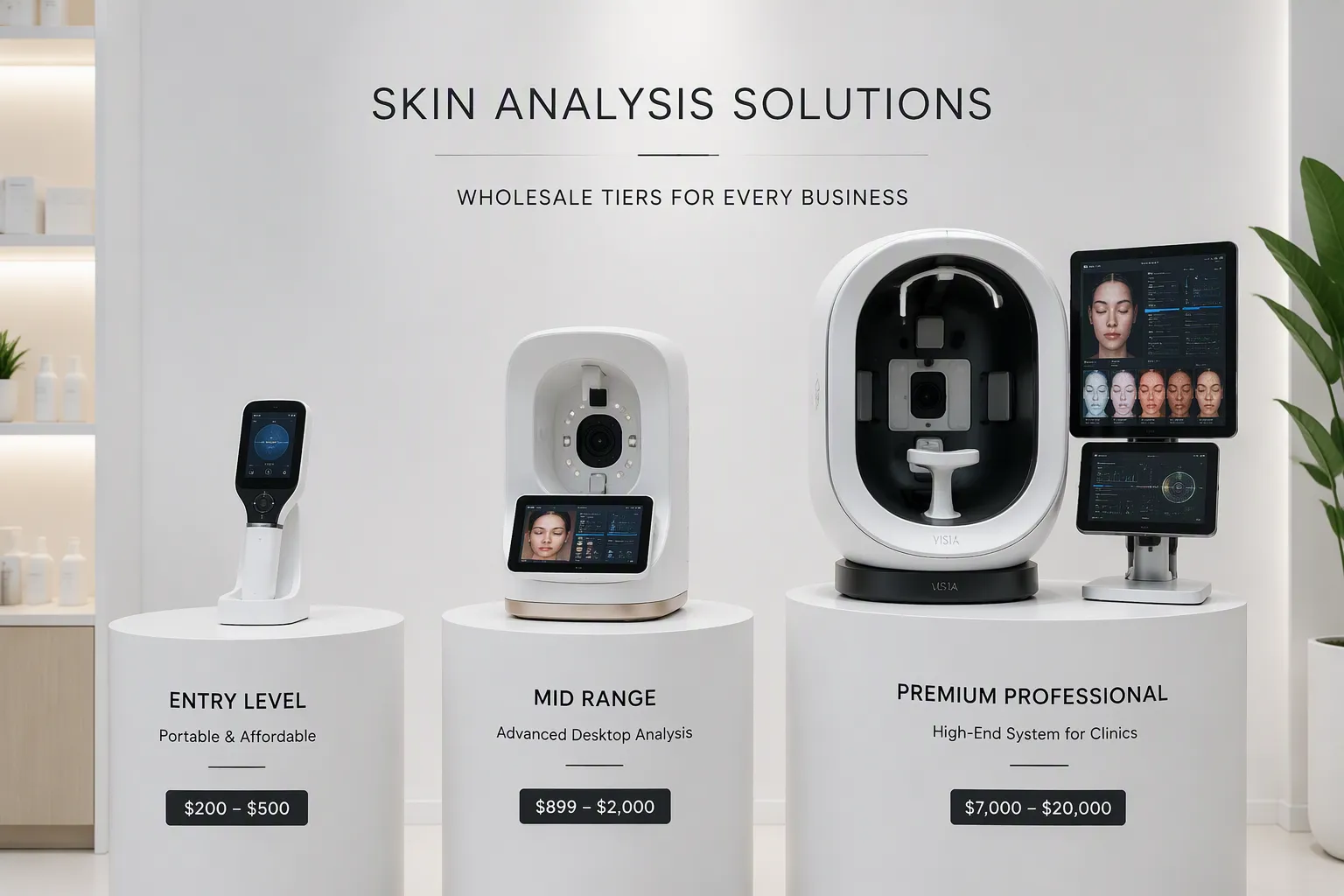
Quick Answer: Distributors should add 3D skin analysis machines to their portfolio because these devices serve as the front-end consultation tool that increases treatment plan acceptance rates by 45–60%, generates higher customer spending (20–35% increase reported by clinics), and creates a recurring revenue pathway through software updates and consumables. Unlike energy-based treatment devices that require significant clinical training and carry higher regulatory risk, skin analyzers are non-invasive diagnostic tools with 3–6 month investment payback periods for end customers. The global 3D skin analysis systems market includes established players like MEICET alongside Canfield Scientific, with demand growing across medical spas, dermatology clinics, and premium skincare centers worldwide.
Key Takeaways:
Consultation conversion tool: Skin analyzers increase treatment plan acceptance by 45–60% by replacing subjective visual assessment with objective, data-driven imaging.
Lower regulatory and training burden: Diagnostic imaging devices typically require less clinical certification than laser or RF treatment devices, reducing distributor support costs.
Recurring revenue potential: Software updates, training services, and consumables create ongoing income streams beyond one-time equipment sales.
Strong market fundamentals: The medical spa market alone is projected to grow from $25.3 billion (2025) to $86.9 billion (2035), with 13.2% CAGR.
MEICET offers distributor-friendly products: The 3D D9 with 8K imaging and AI algorithms, plus CE and FDA certifications, provides a credible portfolio anchor for distributors.
The Strategic Case: Skin Analyzers Are Not Just Another Device
3D skin analyzers occupy a unique position in the beauty equipment ecosystem—they are not treatment devices but consultation multipliers. A distributor selling laser platforms, injectables, or body contouring equipment competes on clinical outcomes and procedure pricing. A distributor selling skin analysis machines competes on something more fundamental: the clinic‘s ability to convert consultations into treatment plans.
Research on diagnostic skincare devices reveals that clinics using these tools report customer spending increases of 20–35% compared to clinics relying on visual assessment alone. The mechanism is straightforward: when a client sees their skin condition visualized with high-resolution imaging and receives an objective, data-driven report, the conversation shifts from “I think you might benefit from…” to “here is measurable evidence of your skin’s condition and a documented plan to address it.”
For distributors, this translates to a different sales conversation. Instead of pitching clinical superiority against competing treatment devices, the distributor can demonstrate how skin analysis improves the clinic‘s entire consultation funnel. A clinic that increases treatment plan acceptance from 30% to 45% generates substantially more revenue per consultation—often enough to justify the skin analyzer investment within a few months.
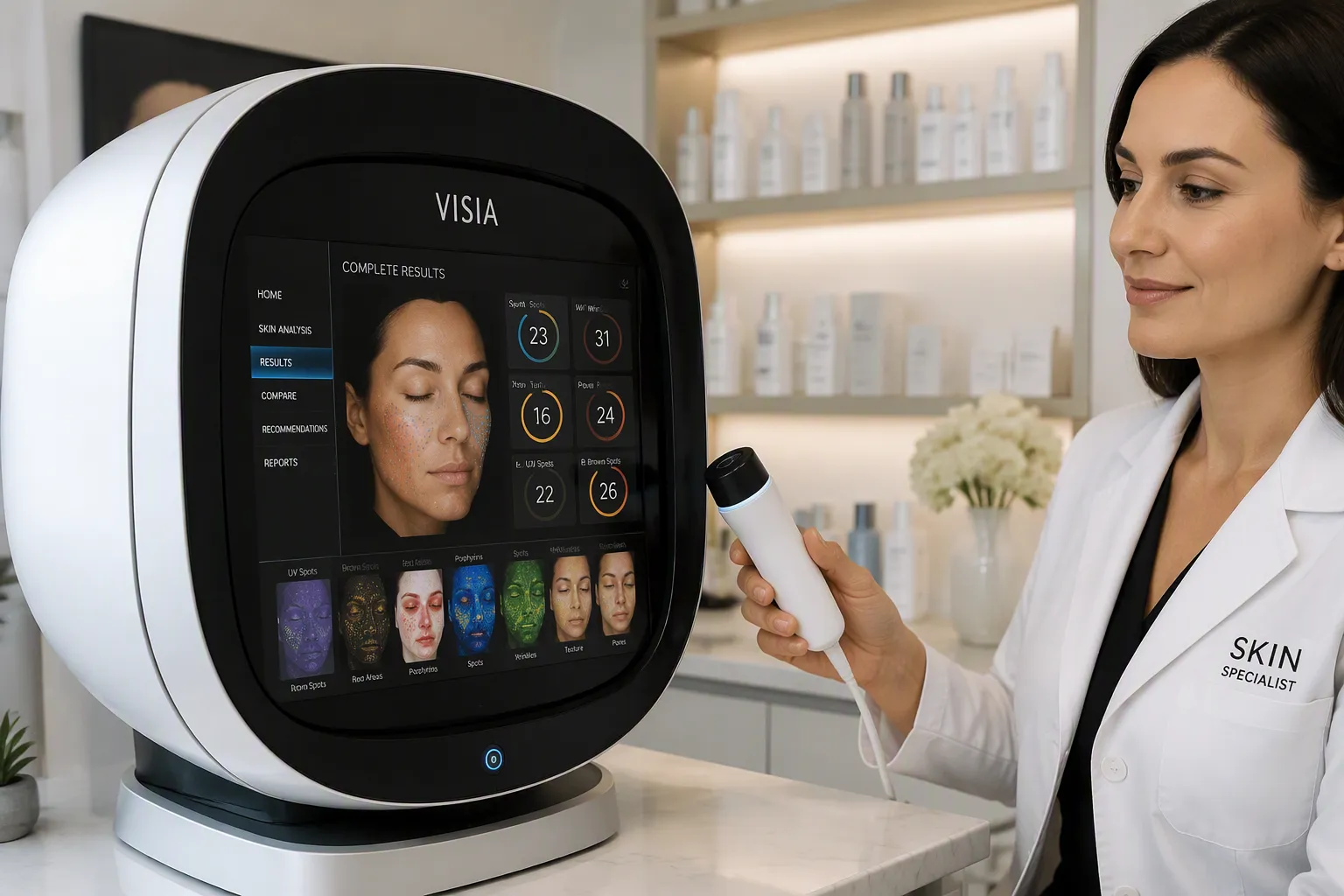
Table 1: Portfolio Comparison — Skin Analyzers vs. Treatment Devices
| Factor | 3D Skin Analysis Machines | Energy-Based Treatment Devices |
|---|---|---|
| Primary function | Diagnostic consultation tool | Therapeutic intervention |
| Regulatory classification | Often Class I or II (cosmetic/wellness) | Typically Class II or III (medical) |
| Training requirement | Low (operational + interpretation) | Moderate to high (clinical certification) |
| Consumables | Minimal (software updates, occasional parts) | Significant (tips, gels, replacement components) |
| Customer payback | 3–6 months (consultation uplift + retail sales) | 12–24 months (procedure revenue dependent) |
| Recurring revenue | Software updates, training, data services | Consumables, service contracts, parts |
| Sales cycle | Shorter (lower price point, faster ROI demonstration) | Longer (higher capital commitment, clinical validation) |
MEICET‘s Product Portfolio as a Distributor Anchor
MEICET has positioned itself as a distributor-friendly manufacturer with products spanning multiple price tiers and clinical applications. The company‘s portfolio includes the 3D D9 flagship analyzer, the PRO-A series for high-volume clinics, and the MC-880/MC-680 series for professional aesthetic applications.
The 3D D9 represents the premium tier, featuring 8K ultra-HD imaging, deep-learning AI algorithms, and multi-spectral analysis that captures 98% more skin detail than conventional systems. The device performs 360-degree skin mapping, analyzing texture, wrinkles, pigmentation distribution, pore size, sebum levels, hydration, and elasticity. For distributors targeting premium dermatology clinics and medical spas, the 3D D9 provides a compelling technical narrative.
The PRO-A series targets the high-volume segment, emphasizing rapid scan capabilities and automated report generation. MEICET positions this for clinics that need faster consultation throughput without sacrificing analytical depth. The PRO-A has been designed to reduce diagnostic time by 65% while maintaining treatment precision.
Both product lines carry CE and FDA certifications, which addresses the regulatory due diligence that distributors must perform before committing to inventory. MEICET also offers multi-language support and regular software updates every 3–6 months, aligning with the recurring revenue model that distributors should prioritize.
Table 2: Distributor Value Proposition by Product Tier
| Product Tier | Target Customer | Key Selling Point | Distributor Support Needed |
|---|---|---|---|
| Premium (3D D9) | Dermatology clinics, luxury medical spas | 8K imaging, AI predictive modeling, 360° mapping | Clinical training, ROI calculators, demo units |
| Mid-Tier (PRO-A) | High-volume aesthetic clinics | Rapid scanning, automated reports, 8-dimension analysis | Operational training, marketing materials |
| Professional (MC series) | Skincare centers, aesthetic practices | Reliable analysis, established workflow integration | Technical support, software updates |
The Market Context: Why Timing Favors Distributors Now
The medical spa and aesthetic clinic market is expanding at a pace that rewards distributors who establish territorial presence early. The global medical spa market was valued at $25.3 billion in 2025** and is projected to reach **$86.9 billion by 2035, representing a 13.2% compound annual growth rate. North America accounts for approximately 40.5% of this market, while Asia-Pacific is the fastest-growing region.
This growth is driven by structural factors that directly increase demand for skin analysis devices:
- Rising demand for non-invasive aesthetic procedures: Clients increasingly prefer diagnostic and preventive approaches over invasive interventions.
- Growing popularity of preventive and wellness-based treatments: Skin analysis supports the shift from reactive treatment to proactive management.
- Expansion of premium and luxury medical spa offerings: Higher-end clinics differentiate through technology-enabled consultations.
For distributors, the implication is clear: the addressable customer base is expanding, and clinics are actively seeking tools that improve consultation quality and treatment plan conversion. The 3D skin analysis systems market includes both established vendors like Canfield Scientific and emerging players like MEICET, creating competitive tension that benefits distributors negotiating pricing and support terms.
Addressing the Objection: Why Not Just Sell Treatment Devices?
Distributors who already carry treatment devices often question whether adding a diagnostic product dilutes their portfolio focus. The counterargument is that skin analyzers complement rather than compete with treatment device sales. A clinic that performs laser resurfacing or injectable treatments benefits from a consultation tool that documents baseline conditions, tracks progress across sessions, and provides objective evidence of treatment efficacy.
The sales dynamic is also different. Treatment device sales require clinical validation and often involve physician decision-makers. Skin analyzer sales can be initiated with clinic managers, aestheticians, or business owners who focus on consultation economics rather than clinical outcomes. This expands the distributor’s addressable buyer persona within existing customer accounts.
Furthermore, skin analyzers create multiple touchpoints with the customer. Software updates, training refreshers, and report template customization generate ongoing interactions that keep the distributor top-of-mind when the clinic next considers capital equipment purchases.
FAQ
Why would a beauty equipment distributor add 3D skin analyzers to their portfolio?
Skin analyzers improve consultation conversion rates (45–60% increase in treatment plan acceptance), increase customer spending (20–35% reported by clinics), and offer faster ROI for end customers (3–6 months). They complement treatment device sales by improving the consultation process that precedes treatment decisions.
What is the profit margin for distributing 3D skin analysis machines?
Distributor gross margins typically range from 35% to 50% on professional skin analysis equipment, with net margins of 15–25% after accounting for shipping, marketing, and support costs. Premium systems command higher gross margins than entry-level devices.
How does MEICET support distributors?
MEICET provides product training, marketing materials, demo equipment access, multi-language software support, and regular software updates. The company‘s 3D D9 and PRO-A products carry CE and FDA certifications, reducing regulatory documentation burden for distributors.
Is 3D skin analysis a medical device requiring special licensing?
Classification depends on intended use and claims. Devices marketed for cosmetic assessment may avoid medical device licensing in many jurisdictions, while devices making medical diagnostic claims typically require regulatory clearance. Distributors should verify classification with the manufacturer and local regulators.
What types of clinics buy 3D skin analysis machines?
Target customers include dermatology clinics, medical spas, aesthetic clinics, skincare centers, and premium beauty salons. The strongest prospects are facilities that perform consultations as part of their service workflow and offer treatment plans beyond single-session services.
How does a skin analyzer increase clinic revenue?
By providing objective, visualized skin assessments that support personalized treatment recommendations. Clinics report increased treatment plan acceptance rates, higher retail product sales through targeted recommendations, and improved client retention through documented progress tracking.
What should distributors look for in a skin analyzer manufacturer?
Key criteria include regulatory certifications (CE, FDA), clinical accuracy of imaging and analysis, software update cadence, training program quality, demo unit availability, territory protection terms, and minimum order quantity flexibility.
Post time: Oct-13-2026


