


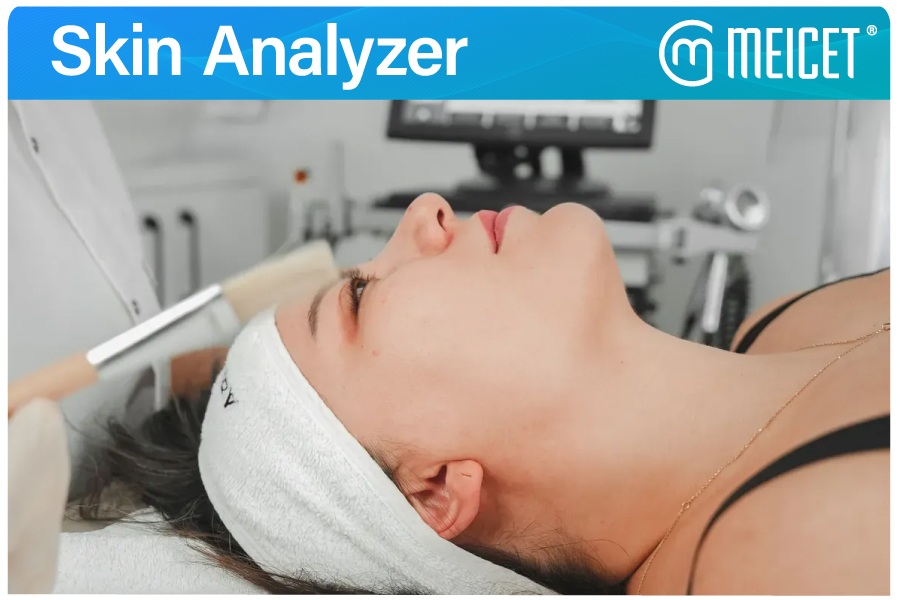
When I use a Skin Analyzer, I see a clear picture of my skin’s health. I learn about early signs of aging, dryness, and even sun damage. I spot changes over time and get visual feedback that helps me adjust my routine. This tool gives me confidence to make smarter skincare choices.
Key Takeaways
●A Skin Analyzer reveals important skin health information, including signs of aging, dryness, and sun damage.
●Regular use of a Skin Analyzer can improve your skincare routine by up to 60% and help you track changes over time.
●If you notice unusual skin changes, consult a dermatologist for professional advice and care.
Skin Analyzer: What It Can Detect

When I use a Skin Analyzer, I discover much more than just surface-level issues. Modern devices reveal a wide range of skin concerns that help me understand my skin’s needs. Here’s what I usually find:
Fine Lines and Wrinkles
I notice that the Skin Analyzer highlights early signs of aging, such as fine lines and wrinkles. These devices use advanced imaging to spot even the smallest changes in my skin’s texture. I learned that skin analyzers report accuracy rates between 86% and 97%, which is higher than traditional clinical assessments.
| Method | Accuracy Range |
|---|---|
| Skin Analyzers | 86–97% |
| Clinical Assessments | 75–94% |
This gives me confidence that the results are reliable and help me track how my skin changes over time.
Firmness and Elasticity
I rely on the Skin Analyzer to measure how firm and elastic my skin feels. The device uses scientific methods to assess these qualities. For example, it might use a cutometer, which measures skin elasticity by applying gentle pressure. Other methods include torque meters and indentation techniques. These tools help me see if my skin is losing firmness, which often happens as I age.
| Method | Description |
|---|---|
| Cutometer | Measures skin elasticity and firmness by generating a dislocation/relaxation curve using negative pressure. |
| Dermal Skin Torque Meter | Assesses elasticity and firmness through torque measurements. |
| Indentation Techniques | Evaluates skin properties by applying pressure and measuring the resulting indentation. |
| Angular Rotation Techniques | Measures skin response to rotational forces to assess firmness and elasticity. |
High-resolution cameras and ultraviolet illumination also reveal fine details and hidden damage, making the analysis more thorough.
Pores and Oiliness
The Skin Analyzer shows me the size of my pores and how oily my skin is. I learned that oily skin often has larger pores because oil releases through wider openings. Research links enlarged pores to increased sebum production and reduced skin elasticity. This means that if I have oily skin, I might see more visible wrinkles and structural changes.
| Skin Type | Pore Size | Oil Production |
|---|---|---|
| Oily | Enlarged | Increased |
| Non-oily | Smaller | Lower |
I use this information to adjust my skincare routine and target oil control.
Pigmentation and Dark Spots
Pigmentation issues, such as brown spots and freckles, often appear after sun exposure. The Skin Analyzer uses UV light to reveal hidden pigmentation and sun damage. AI-driven devices achieve up to 90% accuracy in identifying hyperpigmentation, which is much better than manual detection. I find this feature helpful because it uncovers spots I cannot see with the naked eye.
●Skin analyzers detect pigmentation and brown spots with high accuracy.
●AI-driven devices reach up to 90% accuracy for hyperpigmentation.
●UV light reveals deep spots and sun damage.
Redness and Sensitivity
I depend on the Skin Analyzer to spot redness and sensitivity. The device uses multispectral imaging and polarized light to target hemoglobin in my skin. This helps detect red areas, broken capillaries, and inflammation. Reliable measurements are important because they confirm existing and potential skin issues. I trust the results because professional analyzers use advanced technology to provide precise readings.
Tip: If I notice frequent redness or sensitivity, I consider switching to gentler products or consulting a dermatologist.
Radiance and Glow
Radiance tells me how much my skin glows or reflects light. The Skin Analyzer measures this attribute to show if my skin looks healthy and vibrant. I check the radiance score to see if my skin needs more hydration or exfoliation.
| Attribute | Definition |
|---|---|
| Radiance | Ability of skin to ‘glow’ or reflect light |
Tracking radiance helps me maintain a fresh and youthful appearance.
Under-Eye Bags
Under-eye bags make me look tired, even when I feel rested. The Skin Analyzer detects puffiness and dark circles under my eyes. I use this information to choose products that target these concerns. Early detection allows me to address issues before they become more noticeable.
What Else Can a Skin Analyzer Detect?
Modern devices also spot other concerns, including:
●Aging signs
●Texture changes
●Moisture levels
●UV damage
●Bacteria
●Rosacea
●Psoriasis
●Skin diseases
Artificial intelligence and multispectral imaging make these devices more accurate and user-friendly. Real-time analysis through mobile apps helps me track progress and adjust my routine. I noticed that 80% of users report improved skin health within weeks of using a Skin Analyzer correctly. Tracking changes can enhance skincare routines by up to 60%.
I use my Skin Analyzer to personalize my skincare and stay ahead of potential issues. This technology gives me valuable insights and helps me make informed decisions about my skin health.
Interpreting Skin Analyzer Results
How the Device Works
When I use a Skin Analyzer, I see how advanced technology can reveal the true condition of my skin. The device uses a triple-camera system to capture 3D images of my face from different angles. This method helps the device spot subtle skin issues that I might miss with a mirror. Artificial intelligence then analyzes these images, checking for moisture, oil balance, and other key indicators. High-definition imaging and big data analysis allow the device to measure texture, pigmentation, and hydration. I trust these results because the device goes beyond what I can see with my eyes. Some models even use UV light and infrared sensors to uncover hidden problems. Devices with multiple technologies give me a more complete picture of my skin health.
Understanding Your Results
After I finish the scan, I look at the results to understand what my skin needs. The device gives me scores or color-coded maps for each skin concern. I pay attention to the main indicators:
●Acne and breakouts
●Fine lines and wrinkles
●Enlarged pores
●Dark spots and pigmentation
●Redness and sensitivity
●Dark circles and eye bags
●Oiliness and sebum levels
●Skin moisture and hydration
●Texture roughness
●Firmness
If I see high scores for oiliness or enlarged pores, I know my skin produces more oil. Low moisture scores tell me my skin feels dry or dehydrated. Red areas on the map show sensitivity or inflammation. I compare my results over time to track changes and spot trends. AI systems give me consistent results, with less than 5% variation in repeated tests. Traditional methods can vary by up to 20%, so I trust the device for reliable feedback.
| Metric | AI Systems Accuracy | Traditional Methods Accuracy |
|---|---|---|
| Acne Diagnosis | 89–94% | 78–85% |
| Melasma Diagnosis | 91–95% | 82–88% |
| Consistency Variation | <5% | 15–20% |
Note: If I notice unusual findings, I make a note to watch for changes or ask a professional for advice.
Skincare Steps to Take
Once I understand my results, I take action to improve my skin. I start by identifying my main skin type and concerns. For example, if I have dry skin and fine lines, I choose hydrating cleansers and serums with anti-aging ingredients. If I see signs of oiliness and enlarged pores, I use gentle exfoliants and oil-control products. I build a routine that fits my needs:
●Cleanse my face thoroughly before each scan for accurate readings.
●Use products tailored to my skin type, such as moisturizers for dry skin or oil-free formulas for oily skin.
●Apply sunscreen daily to protect against UV damage.
●Track my progress by scanning my skin weekly.
●Adjust my routine if I see changes in my results.
I also educate myself on how to use each product correctly. Regular tracking helps me spot improvements and make better choices. I learned that 80% of users see better skin health when they use the device correctly. Consistent use can improve my skincare routine by up to 60%.
Tip: Personalized routines based on real data help prevent future aging and keep my skin healthy.
When to See a Professional
Sometimes, my results show signs that need expert attention. I look for these warning signs:
●Serious or sudden changes in my skin
●Unusual spots or growths
●Persistent redness, swelling, or irritation
●Results that do not improve with home care
If I notice any of these, I schedule a visit with a dermatologist. Professionals can diagnose and treat conditions that a device cannot handle. Early intervention leads to better long-term skin health. I use my Skin Analyzer as a tool to guide my routine, but I always seek help when I see something unusual.
Remember: Regular interpretation of your results helps you catch problems early and keeps your skin looking its best.
I see real value in understanding my skin analyzer results. AI skin analysis helps me spot hidden issues and track changes for better skin health. Sometimes, I feel overwhelmed by the data.
| Challenge | What I Experience |
|---|---|
| Too much info | Hard to know what matters |
| Complex devices | Not always easy to use |
I take action by adjusting my routine and asking professionals when needed.
FAQ
How often should I use a Skin Analyzer?
I scan my skin once a week. This helps me track changes and adjust my routine for better results.
Can a Skin Analyzer replace a dermatologist?
I use a Skin Analyzer for regular checks. I still visit a dermatologist for serious concerns or unusual findings.
What should I do if my Skin Analyzer shows new issues?
I review my routine and try gentle products. If problems persist, I ask a professional for advice.
Post time: Jun-16-2026


