


A Skin Analyzer can accurately detect fine lines, wrinkles, skin texture, pore size, brown spots, hyperpigmentation, redness, vascular conditions, UV damage, sunspots, and bacteria levels. Results are reliable for identifying these issues, though some limitations exist.
●Personalized skincare recommendations
●Improved sun protection habits
●Deeper understanding of skin health
Key Takeaways
●Skin Analyzers can detect various skin issues like fine lines, wrinkles, pigmentation, and bacteria levels, helping you understand your skin’s health.
●Regular use of a Skin Analyzer, recommended every 3 to 6 months, allows you to track changes and adjust your skincare routine effectively.
●Proper preparation before analysis, such as cleaning your face and avoiding active products, ensures accurate results and better insights.
Skin Analyzer Technology
Types of Skin Analyzer Devices
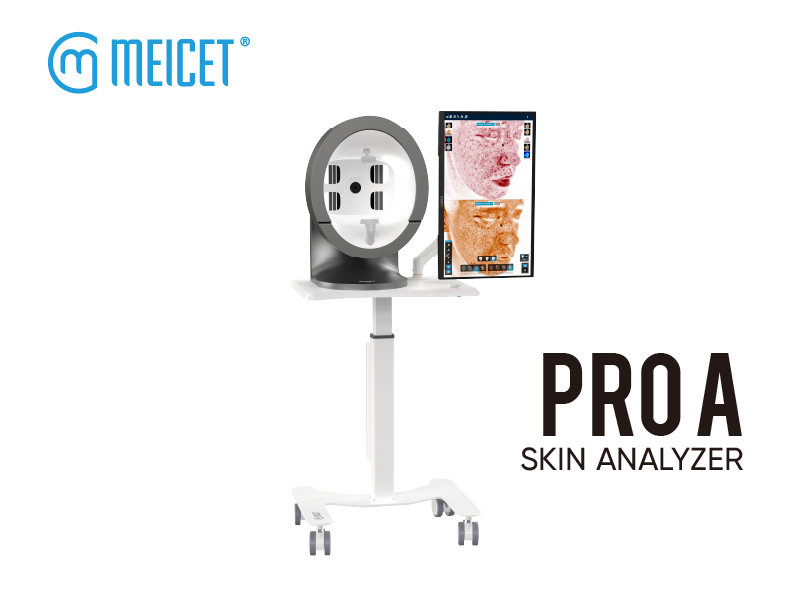
Skin Analyzer devices use advanced technologies to examine the skin’s surface and deeper layers. Many professional systems, such as the MEICET Skin Analysis System, rely on multi-spectral imaging. This technology captures detailed images of both visible and hidden skin conditions. Some devices also use 3D analysis, which creates a three-dimensional model of the face. This model helps professionals study facial structure and skin texture. UV light is another common feature. It reveals skin issues that normal light cannot show, such as sunspots and underlying pigmentation.
| Technology | Description |
|---|---|
| Multispectral Imaging | Captures detailed information on the skin’s surface and beneath it. |
| 3D Analysis | Generates a 3D model of the facial structure for comprehensive analysis. |
| UV Light | Utilized to assess skin conditions by revealing underlying issues not visible under normal light. |
Imaging Methods and Detection
Skin Analyzer devices use several imaging methods to detect a wide range of skin problems. Multispectral imaging is important for identifying pigmentation, brown spots, and signs of aging. 3D analysis helps measure fine lines, wrinkles, and pore size. UV light highlights sun damage and deep pigmentation. Some systems use different types of light, such as blue light and cross-polarized light, to reveal bacteria levels and redness. These methods work together to give a complete picture of skin health.
Tip: Using a Skin Analyzer can help you understand your skin’s needs and track changes over time.
Detected Skin Issues
Aging Signs (Fine Lines, Wrinkles)
Aging signs such as fine lines and wrinkles are among the most common concerns assessed by a Skin Analyzer. These devices use advanced imaging and scoring systems to evaluate the severity of lines on the face. For example, Face Analysis 3.0 applies pixel-level masks and clinically grounded scales to measure glabellar lines. The system provides a score from 0 to 100, which helps track even subtle changes that may not be visible to the naked eye. Dermatologists often rely on these numeric measurements to monitor progress over time.
| Feature | Description |
|---|---|
| Scoring Systems | Uses pixel-level masks for detailed analysis. |
| Severity Grades | Aligns with dermatologist scales from none to severe. |
| Numeric Measurement | Offers a 0-100 score for tracking improvements. |
The Allergan Fine Lines Scale, used in clinical settings, shows strong agreement between different raters. A one-point change on this scale reflects a meaningful difference in fine line severity, making it a sensitive tool for skin aging assessment.
Texture & Pores
Skin texture and pore size play a major role in overall skin appearance. A Skin Analyzer uses high-resolution imaging, 3D surface profiling, and specialized lighting to capture detailed images of the skin surface. These images allow the device to measure pore diameter, density, and skin roughness with high accuracy. Professional digital analyzers provide clinical-level precision, while mobile analyzers offer reliable results for home use.
| Method/Device Type | Measurement Techniques | Accuracy Level | Typical Use Case | Technology Features |
|---|---|---|---|---|
| Professional Digital Analyzers | High-res imaging, 3D profiling, cross-polarized/UV lighting, AI algorithms | Very High | Clinical assessments, tracking | Ultra-detailed imaging, quantifies pores and roughness |
| Mobile Analyzers | HD cameras, multi-light imaging, AI analysis | Moderate-High | Home use, daily tracking | Portable, real-time, color-coded maps |
| Manual Analyzers | Visual inspection with magnification | Moderate | Basic skincare | Low to medium technology |
Texture evaluation can also be performed by analyzing the size and shape of skin masses in images. This method quantifies skin roughness and wrinkle characteristics, providing a cost-effective alternative to 3D imaging. Studies show that following recommendations based on Skin Analyzer results can lead to significant improvements. For example, users experienced up to a 70% reduction in total pore volume and a 6% decrease in skin roughness after 12 weeks.
Pigmentation (Brown Spots, Hyperpigmentation)
Pigmentation issues, including brown spots and hyperpigmentation, are accurately detected by modern Skin Analyzer systems. These devices use multispectral imaging and AI algorithms to analyze skin tone and spot irregularities. Studies show a strong correlation between new imaging systems and traditional methods for identifying pigmentation, with significant results across several parameters.
| Parameter | New Skin Imaging System Correlation | Significance |
|---|---|---|
| B2 | r = 0.4314, P < 0.01 | Significant |
| B1 | r = 0.4900, P < 0.01 | Significant |
| Full-face | r = 0.3149–0.3995, P < 0.05 | Significant |
AI-driven analyzers can achieve up to 90% accuracy in identifying hyperpigmentation. This high accuracy comes from advanced algorithms trained on large datasets of skin images. However, the accuracy of AI-based apps can vary, with some reporting lower rates. Professional-grade devices tend to deliver the most consistent results.
Redness & Vascular Conditions
Redness and vascular conditions, such as visible blood vessels or inflammation, are detected using specialized light technologies. Polarized light targets hemoglobin in the skin, making it possible to identify vascular lesions and red areas. The VISIA Skin Analysis System, for example, demonstrates high sensitivity in detecting these conditions, especially on the forehead. Red Zone imaging technology is also used to highlight inflammation and redness, which is important for assessing sensitive skin and acne activity.
Note: Accurate detection of redness helps guide treatment for rosacea, sensitivity, and acne-prone skin.
UV Damage & Sunspots
UV damage and sunspots are best visualized with UV light technology. A Skin Analyzer equipped with a Wood’s lamp can highlight specific pigmentation disorders. This examination helps dermatologists determine whether pigmentation is superficial, as seen with sunspots, or deeper, as with melasma. By identifying the depth of pigmentation, professionals can recommend the most effective treatments. Advanced AI systems, such as Face Analysis 3.0, further enhance the ability to distinguish sunspots from other imperfections using clinical-grade insights.
Bacteria & Acne Risk
Assessing bacteria levels and acne risk involves a combination of imaging and sampling techniques. Skin Analyzers may use swab, scrape, or extraction methods to collect samples from the skin. These samples are then analyzed through culture studies, probe labeling, or molecular analysis. Direct visualization techniques have revealed that different areas of the skin host distinct populations of bacteria, such as Propionibacterium acnes. Understanding these patterns helps in predicting acne risk and tailoring skincare routines.
Tip: Regular skin analysis can help identify changes in bacteria levels, supporting early intervention for acne prevention.
Accuracy & Limitations
Reliability of Skin Analyzer Results
Skin Analyzer devices use advanced imaging and AI to provide detailed information about the skin. These systems can measure fine lines, wrinkles, pigmentation, and pore size with high precision. Results are reliable for most visible skin concerns. However, accuracy depends on proper use and preparation. Clean, bare skin and stable lighting conditions help ensure the best results. Dermatologists often use these results to track changes over time and guide treatment plans.
Common Limitations
While Skin Analyzer technology is powerful, it does have some limitations. Certain factors can affect the accuracy of the analysis. The table below highlights common limitations reported in scientific studies:
| Limitation | Description |
|---|---|
| Automatic segmentation | Erythema (redness) may not be fully recognized, especially if it is diffuse. |
| Manual image combination | Overlap between pigmentation and blood vessels may require manual review. |
| External factors | Hair or facial expressions can impact wrinkle and texture analysis. |
| Small area of interest | Analysis may focus on a small area, missing broader skin issues. |
| Lack of gold standard | No universal benchmark exists for comparison. |
| Accuracy verification | Hard to verify accuracy through subjective assessments. |
Some skin conditions cannot be detected by current non-invasive analyzers:
●Biochemical changes, such as cytokine levels in atopic dermatitis
●Internal conditions that require invasive sampling
●Inflammatory mediator levels
Preparing for Skin Analysis
Proper preparation helps achieve accurate results. Follow these steps before your appointment:
1.Clean your face thoroughly and remove all makeup, sunscreen, and skincare products.
2.Avoid using active skincare products for 24-48 hours before the analysis.
3.Bring your current skincare products or photos for review.
4.Share your skin goals with the professional.
5.Avoid sun exposure to keep your natural skin color.
6.Be open about your medical history and lifestyle.
7.Write down any questions you want to ask.
Tip: Avoid washing your face with hot water or exercising right before your analysis, as these can temporarily change your skin’s appearance.
Skin Analyzer devices detect fine lines, wrinkles, pigmentation, redness, and bacteria levels.
| Diagnostic Test | Purpose |
|---|---|
| Skin Scrapings | Diagnose fungal infections and scabies. |
| Wood Light Examination | Distinguish between hypopigmentation and depigmentation, and define lesion borders. |
●Track skin changes regularly for better insights.
●Use professional advice to interpret results.
●Focus on trends, not single readings.
FAQ
How often should I use a Skin Analyzer?
Most experts recommend using a Skin Analyzer every 3 to 6 months. This helps track changes and adjust your skincare routine as needed.
Can a Skin Analyzer replace a dermatologist?
A Skin Analyzer provides valuable insights. It does not replace a dermatologist. Always consult a professional for medical concerns or serious skin conditions.
Is the analysis safe for sensitive skin?
Yes. Skin Analyzer devices use non-invasive imaging. They do not harm sensitive skin or cause discomfort during the process.
Post time: Mar-24-2026


