


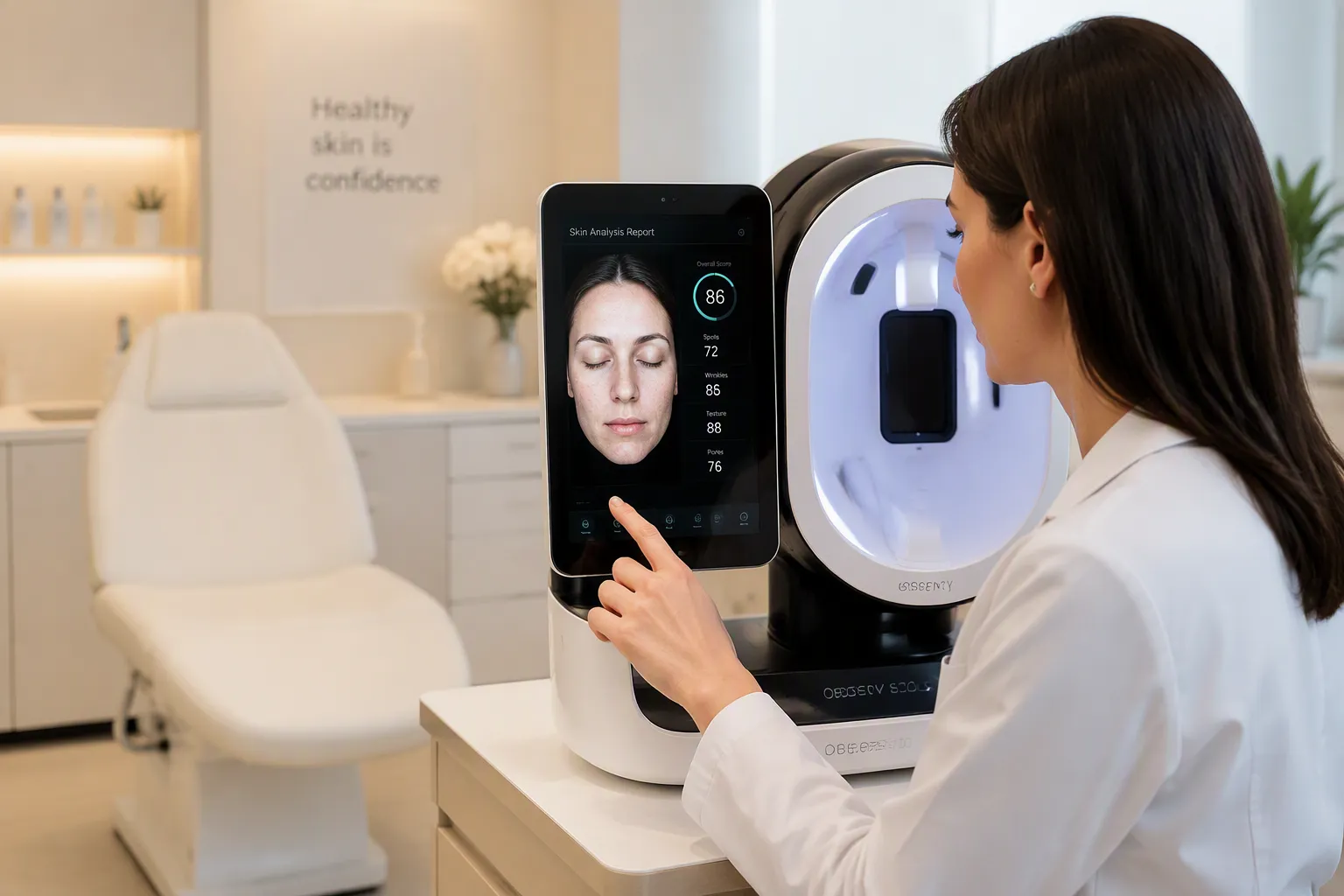
How can you trust that your skin analysis machine will impress demanding clinics? I know that selecting the wrong supplier drains your budget, wastes precious time, and damages your reputation. You must evaluate three pillars: product features, after-sales support, and long-term value. I invite you to judge every supplier against these essential criteria for your skin business.
Key Takeaways
●Choose a machine with advanced AI and 3D imaging for accurate, repeatable skin analysis.
●Pick a supplier that offers thorough training and reliable technical support for your team.
●Select scalable software that integrates with your systems and supports flexible financing for ROI.
Key Features of a Reliable Skin Analysis Machine
Advanced Skin Analysis Technology
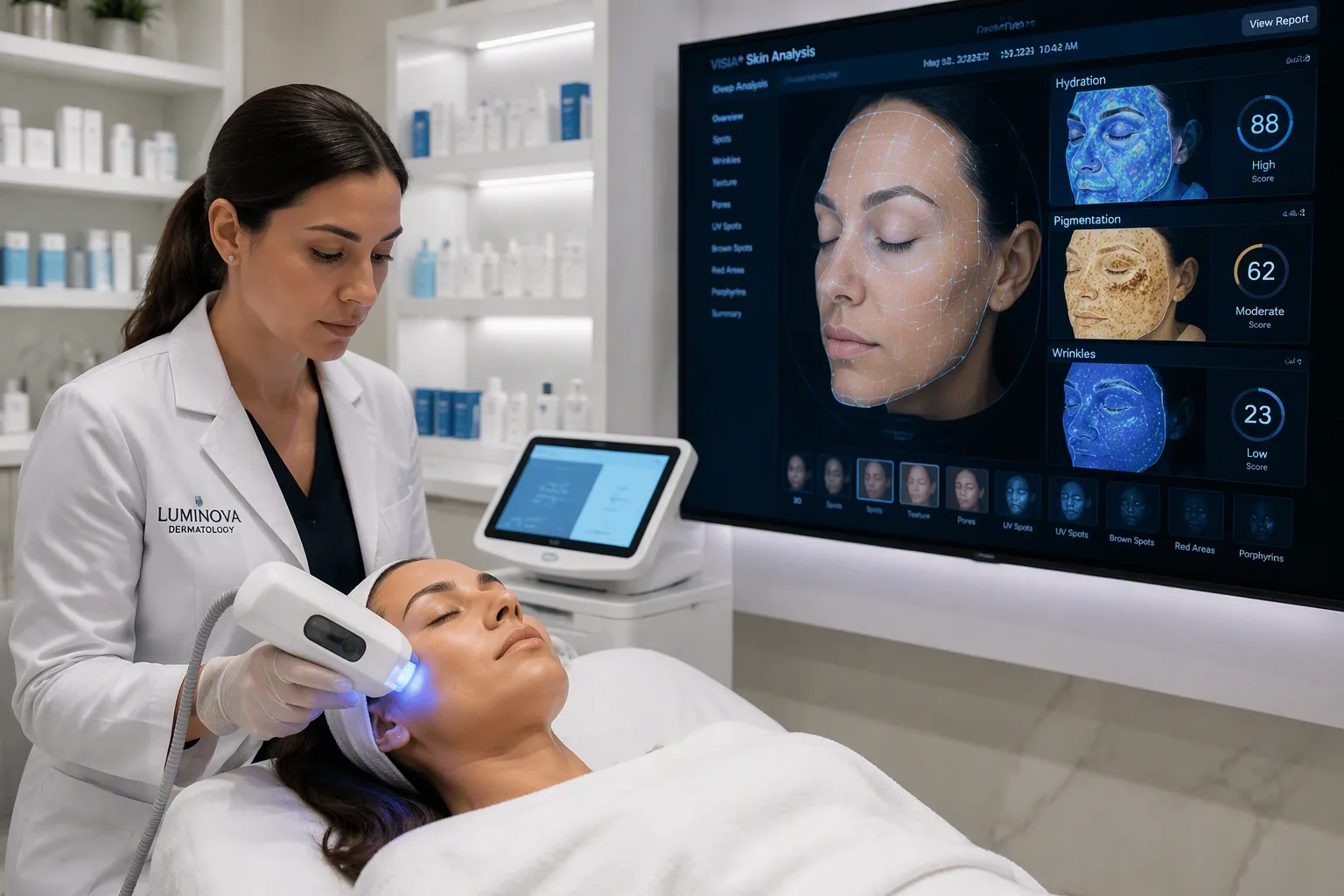
I always start my evaluation with the imaging capabilities. A modern skin analysis machine should offer multiple capture modes, including multi-spectrum, 3D, and UV imaging. These modes reveal layers of the skin that the naked eye simply cannot see. For example, UV light exposes sun damage beneath the surface, while 3D imaging provides a realistic face representation. Dr. Fabrizio Vignoli notes that 3D imaging enables practitioners to evaluate facial characteristics with greater detail, enhancing diagnosis and treatment planning. This depth of imaging transforms a routine consultation into a compelling visual experience for clients.
The real power, however, lies in the ai skin analysis engine behind the hardware. High-resolution imaging paired with machine learning algorithms can evaluate 12 essential skin factors, including hydration, pores, sebum, texture, pigmentation, aging, UV damage, and wrinkles. A complete assessment takes only 15 seconds. The system can even predict skin conditions three to five years ahead. This forward-looking capability gives clinics a powerful reason to recommend preventive skin care routines. The market reflects this momentum, growing from $1.54 billion in 2024 to a projected $7.11 billion by 2034. That 16.53% compound annual growth rate signals a technology that has moved from novelty to standard practice.
I also look for diagnostic accuracy backed by clinical evidence. A 2025 systematic review found that AI diagnostic models in dermatology achieve sensitivity rates of 90 to 98 percent. AI outperformed dermatologists in 63 percent of the studies analyzed. Dr. Daniel Schlessinger, a board-certified dermatologist, puts it plainly: “Maybe good skin quality isn’t something we can even really judge with our naked eye.” That statement captures why professional skin analysis tools matter. They count microscopic pores and track subtle changes that humans simply miss.
Consistency and Repeatability of Results
A machine that impresses once but fails on the second client is worthless. I demand repeatability across all skin tones and types. The best features include automated positioning and consistent lighting, which eliminate human error. A skin analysis camera should produce identical results for the same client visit after visit. This reliability builds trust with clinics and their patients.
Privacy compliance is non-negotiable. In the United States, HIPAA enforces strict cybersecurity mandates for digital health data. In Europe, GDPR prohibits unauthorized processing of biometric information and requires data anonymization. A compliant skin analysis system processes images locally or with edge computing, reducing exposure. I verify these standards before I recommend any product to my clients.
Finally, I examine the software experience. A user-friendly interface with real-time preview and automated report generation saves staff hours. The platform should store client profiles and history, enabling before-and-after progress tracking. Printable PDF reports make it easy to share results. These skin analysis tools turn raw data into a story that clients understand and act upon. When the software integrates smoothly with practice management systems, the entire workflow becomes seamless. That integration, combined with reliable hardware, defines a skin analysis platform worth your investment.
Assessing Training and Support for Your Skin Analysis S
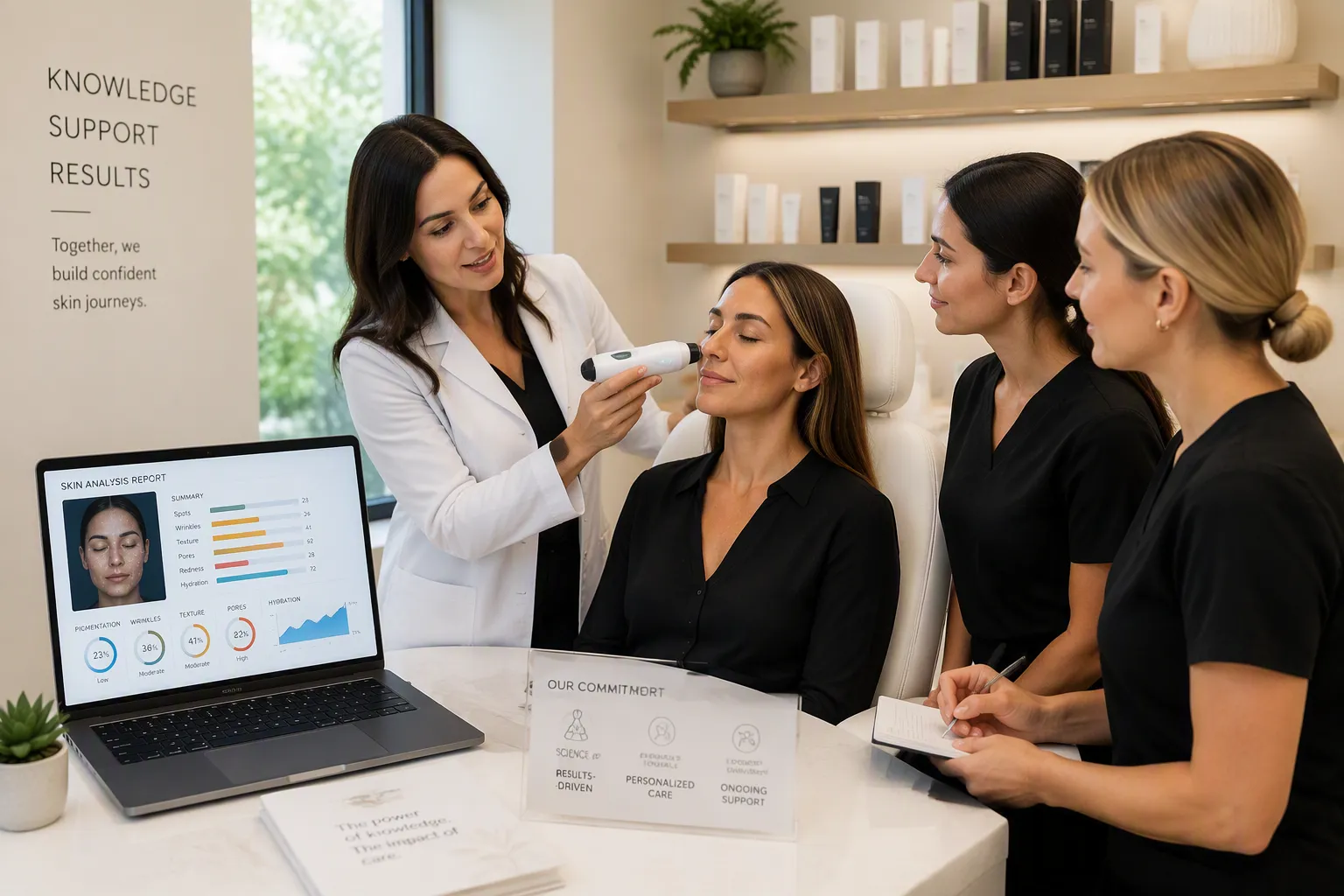
I know hardware alone does not guarantee a clinic’s success. A reliable skin analysis solution needs a strong support system. I evaluate training programs, demo units, marketing aid, and technical care. These tools turn a powerful device into a trusted daily resource.
Comprehensive Training and Onboarding
I prioritize suppliers who teach consultation workflows directly. Brands with clearly defined processes see stronger adoption outcomes. Integrating a skin scanner into existing steps requires updated scripts and new documentation methods. Staff learn to use the device as a consultation support tool. This positioning improves client trust and operational sustainability. A live demo unit is essential for verification. I test the imaging on diverse subjects with varying skin tones and ages. Practical testing on Fitzpatrick skin types IV to VI reveals any algorithmic bias. I also audit CRM integration capabilities during the demo. This practical check ensures the device connects smoothly to patient databases.
Supplier marketing support boosts my sales efforts significantly.
| Marketing Support Offering | Description |
|---|---|
| OEM / Private-label branding | Distributor’s logo placed on hardware, report templates, and packaging. |
| Sales kit | Editable brochures and localized decks for immediate use by the distributor’s sales team. |
| Product training | Training provided to distributor teams to enable effective selling. |
| Skincare product integration | Distributors can load their own products into the analyzer, driving repeat orders. |
This table shows tangible value. The ai skin analysis engine and professional skin analysis tools require skilled operators. Comprehensive training ensures every team member uses these skin analysis tools correctly. This approach boosts customer satisfaction and long-term adoption.
Ongoing Technical Support and Warranty
I evaluate warranty terms and help-desk responsiveness carefully. Downtime hurts a clinic’s revenue, so fast resolution is critical. Leading suppliers offer clear software update policies. These updates keep the skin analysis machine current with new features and security patches. The ai skin analysis depends on regular software improvements. I also check for dedicated account managers who understand my business. This ongoing support builds trust. When I know a supplier stands behind their product, I feel confident selling it to demanding clinics. The right partner makes the skin analysis solution a growing asset for my clients. Every element of the skin care workflow becomes smoother with reliable backup.
Evaluating Long‑Term Value and Scalability of Skin Imaging
Devices
Scalability and Software Updates
I evaluate how well a skin analysis machine integrates with existing clinical systems. The integration requirements cover several areas. EHR integration synchronizes patient information and pulls medical details. RCM integration exchanges claim and billing data. Patient portal integration enables online bookings. Insurers’ systems validate coverage and track claims. CRM integration collects patient engagement data. HR management obtains staff schedules. A solid skin analysis solution connects to these systems. It becomes central to the business workflow.
Leading products demonstrate this capability. DermEngine integrates with existing EHR systems. Medweb supports teledermatology workflows. eClinicalWorks offers cloud-based image capture. This skin analysis technology fits diverse clinical environments.
Scalability matters for growing businesses. Market data shows multi-location medical spa operators now average nine locations per group. That number jumped from six in 2022. A 50 percent increase in average footprint makes scalable software a competitive necessity.
Clients expect the same facial and same price in Miami or Seattle. Scalable software enables uniformity across geographies. This delivers the core value proposition for franchise operators.
A scalable skin imaging device lets me add new locations quickly. I clone settings across branches. Centralized client data enables seamless visits. One account manages multiple locations. These features turn the skin analysis platform into a growth tool. Regular software updates improve the ai skin analysis engine. Updated algorithms keep skin analysis tools accurate over time. I rely on these skin analysis tools for consistent results.
Flexible Purchasing and ROI
I calculate the total cost of ownership before choosing a supplier. The manufacturer’s guide provides a baseline.
The manufacturer’s guide states that a skin analysis machine typically lasts three to five years, with the caveat that this lifespan depends on regular maintenance and software updates.
Leasing and financing reduce upfront costs. I compare maintenance expenses and warranty terms. Revenue potential is critical. A reliable machine creates new service opportunities. Clinics charge for detailed assessments. They recommend skin care products based on results. The ai skin analysis engine provides consistent data. It builds client trust and repeat visits. Smart skin imaging systems support upselling services. The ai skin analysis capabilities drive ongoing revenue growth.
Product quality, training, and long-term value remain my non-negotiable criteria. A reliable skin analysis machine with advanced imaging features drives satisfaction and client satisfaction. Build a checklist from these points. Test suppliers through demos and reference calls. Strong ai skin analysis tools require proper integration with skin care workflows. Investing time in vetting a supplier today pays off in client trust and business growth tomorrow.
FAQ
How long does it take to see a return on investment with a skin analysis machine?
Most clinics recover costs within six to twelve months. Revenue comes from paid assessments, product recommendations, and increased treatment acceptance. The ai skin analysis engine drives consistent upsell opportunities that accelerate profitability.
What training does my team need before using the equipment?
I recommend a two-day hands-on session covering imaging protocols, report interpretation, and client consultations. Suppliers should provide ongoing refresher courses. Proper training ensures your staff maximizes every feature of the ai skin analysis platform.
Can I connect the device to my existing practice management software?
Yes, most modern systems support integration with major EHR platforms. Verify compatibility during your demo. Seamless integration saves staff time and reduces data entry errors. This integration also enables centralized client records across multiple locations.
Post time: Sep-09-2026


