


●Hair thinning
●Excessive shedding
●Scalp irritation
●Oiliness
●Dryness
●Inflammation
●Clogged follicles
●Poor circulation
●Hydration issues
●pH imbalance
●Genetic, hormonal, or nutritional factors
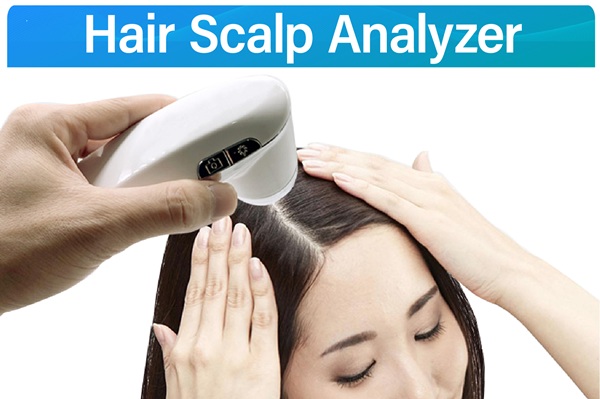
A hair scalp analyzer uses advanced technology for scalp analysis, revealing hidden scalp and hair problems. Scalp analysis corrects common misconceptions about hair loss and provides evidence-based solutions. Regular scalp analysis with a hair scalp analyzer helps prevent overstimulation and long-term follicle damage.
Key Takeaways
●A scalp analyzer detects various hair and scalp issues, including thinning, excessive shedding, and inflammation, helping you understand your scalp health.
●Regular scalp analysis allows for early detection of problems, enabling targeted treatments that promote healthier hair growth and prevent severe conditions.
●Personalized recommendations from scalp analysis lead to better hair care results, reducing hair shedding and improving overall scalp health.
How a Hair Scalp Analyzer Works
Technology and Process
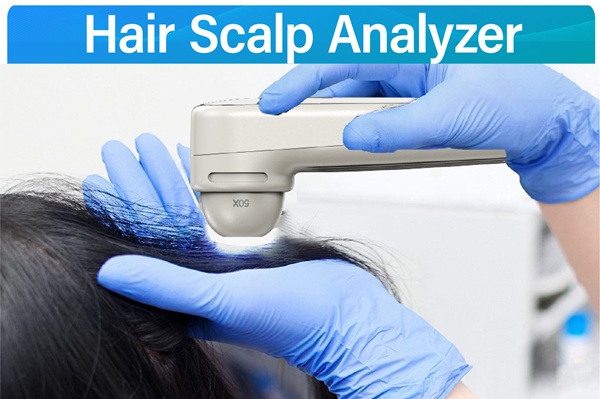
A hair scalp analyzer uses advanced technology to examine the scalp and hair in detail. Most devices combine digital imaging, magnification, and sensors to capture high-resolution images of the scalp surface and hair follicles. These images help identify changes in scalp texture, hair strand width, and signs of inflammation. Some analyzers use artificial intelligence to measure hair thickness, count hair roots, and visualize root patterns. This process gives a clear picture of scalp health and hair density.
| AI Function | Purpose | Example Insights Generated |
|---|---|---|
| Digital Imaging | Capture detailed scalp data | Identifies scalp texture changes |
| Feature Quantification | Measure individual hair strands | Calculates hair strand width |
| Condition Detection | Flag health issues | Spots inflammation zones |
| Predictive Analysis | Forecast future scalp changes | Anticipates potential hair loss |
Scalp analyzers provide more accurate and objective results than traditional visual checks. They use standardized imaging and algorithms, which reduces human error and bias. Some devices can detect early changes in hair density and thickness that may be missed during a regular checkup.
Note: Some analyzers may have limitations. Their accuracy can vary across different populations and hair types. Expanding the training data can help improve results for everyone.
What to Expect in Scalp Analysis
A typical scalp analysis session follows a few simple steps:
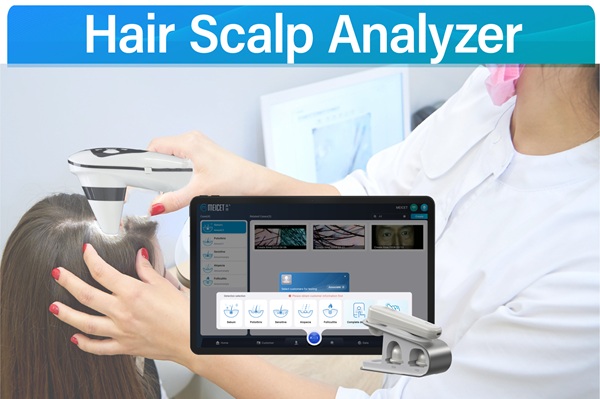
1.The specialist checks your scalp using the analyzer.
2.Real-time images appear on a screen for you to view.
3.The specialist explains any visible scalp or hair concerns.
4.You receive recommendations for care based on the findings.
You may also answer questions about your health, lifestyle, and hair history. The process is non-invasive and usually takes less than 30 minutes. Most people find the experience comfortable and informative.
Scalp and Hair Problems Detected
Hair Thinning and Shedding
Hair analysis and scalp analysis can distinguish between normal shedding and abnormal thinning. Normal shedding involves losing 50 to 100 hairs daily. When hair loss exceeds 100–150 hairs per day or visible thinning appears, it signals a condition of hair loss. Scalp analyzers measure hair density and thickness, providing a clear diagnosis. Early detection of excessive shedding allows trichology specialists to recommend targeted treatments before active hair loss becomes severe. Recognizing signs of hair loss early helps prevent further thinning and supports healthy hair growth.
●Hair analysis identifies:
●Normal shedding (50–100 hairs/day)
●Excessive shedding (over 100–150 hairs/day)
●Visible thinning and reduced hair density
Scalp analysis offers actionable insights, enabling trichology experts to address hormonal patterns, nutritional deficiencies, and environmental factors that impact hair thickness and density.
Scalp Irritation and Inflammation
Scalp analysis uses trichoscopy to examine perifollicular skin and vascular structures. This technology reveals early signs of inflammation before visible symptoms like redness or itchiness appear. Hair analysis visualizes the condition of scalp at high magnification, aiding diagnosis of scalp irritation and inflammation. Early detection prevents chronic discomfort and reduces the risk of hair loss caused by inflammation.
●Scalp analysis detects:
●Perifollicular changes
●Vascular abnormalities
●Early inflammation zones
Prompt intervention through trichology can minimize itchiness, dandruff, and further complications. Addressing inflammation early supports a healthy scalp and reduces the risk of active hair loss.
Oiliness and Sebum Imbalance
Scalp analysis measures sebum levels using devices like Sebumeter and Corneometer. Balanced sebum supports a healthy scalp barrier. High sebum levels promote microorganisms such as Malassezia, leading to dandruff and irritation. Low sebum levels cause dryness and discomfort. Hair analysis identifies shifts in sebum-derived metabolites, microbial composition, and cosmetic product usage.
| Evidence Description | Findings |
|---|---|
| Decrease of sphingolipids in oily scalps | Indicates a shift in sebum-derived metabolites, affecting skin microbiota. |
| Correlation of GNPS spectral library nodes with scalp oiliness | Suggests a direct relationship between certain metabolites and oiliness. |
| Presence of fatty acid methyl esters | Implies different cosmetic product usage among individuals with oily scalps. |
| Monoacylglycerols from sebum | Points to microbial metabolism affecting scalp oiliness. |
| Abundance of Propionibacteriaceae in oily samples | Indicates a microbial composition linked to oily scalps. |
Scalp analysis also reveals risk factors for oily skin, such as high melanin content and perioral lines. Early detection allows trichology professionals to recommend products and routines that restore balance, preventing dandruff and signs of hair loss.
Dryness and Hydration Issues
Hair analysis and scalp analysis detect dryness by measuring transepidermal water loss (TEWL) and corneometry. High TEWL and low corneometry indicate a compromised barrier and moisture imbalance. Dry scalp results from excessive moisture loss, causing itchiness and flaking. Environmental factors like low humidity, cold climates, and aging contribute to dryness. More serious conditions such as eczema, psoriasis, and tinea capitis may also cause dryness.
| Method | Description | Best For | Pros | Limitations |
|---|---|---|---|---|
| Laser Doppler Flowmetry (LDF) | Uses a laser to measure blood flow and generate a perfusion map. | Clinical research | Real-time monitoring, high sensitivity | Susceptible to movement artifacts, requires calibration. |
| Laser Speckle Contrast Imaging (LSCI) | Captures wide-field images of blood flow patterns. | Regional blood flow visualization | Non-invasive, fast | More expensive, limited to specialized facilities. |
| Photoplethysmography (PPG) | Measures blood volume changes using light absorption. | At-home tracking | Simple, portable, affordable | Measures only surface blood flow. |
| Near-Infrared Spectroscopy (NIRS) | Analyzes light absorption to assess blood oxygenation and flow. | Evaluating perfusion and oxygenation | Provides data on scalp oxygen balance | Requires calibration and professional interpretation. |
| Thermal Infrared Imaging | Detects temperature variations to infer blood circulation. | Screening and patient education | Non-contact, quick | External conditions can affect results. |
Scalp analysis helps trichology experts identify hydration issues early, allowing for personalized care that restores moisture and prevents further irritation.
Clogged Follicles and Poor Circulation
Hair analysis and scalp analysis detect clogged follicles and poor circulation, which hinder optimal hair growth. The scalp has a high density of blood circulation, delivering nutrients to hair follicles. Balding scalps show less blood flow and oxygen, increasing the risk of hair loss. Product residue and inflammation block follicles, reducing circulation and triggering hair loss.
| Feature | Description |
|---|---|
| Technology | Quad spectrum technology integrates four different wavelength spectrums for comprehensive analysis. |
| Functionality | High-precision detection of follicular blood circulation, follicle activity, and hair growth patterns. |
| Advantage | Provides insights that are often difficult to diagnose with traditional methods. |
●Dermatologists combine visual inspection and diagnostic technologies to quantify inflammation and assess scalp health.
Scalp analysis enables trichology specialists to clear blockages and improve circulation, preventing signs of hair loss and supporting healthy hair.
Follicle Health and Barrier Integrity
Hair analysis and scalp analysis reliably detect indicators of follicle health and barrier integrity. These include scalp inflammation, sebum levels, hydration, TEWL, and discomfort scales. A damaged scalp barrier increases TEWL, causing dryness and irritation. Depletion of essential lipids like ceramides worsens scalp issues, leading to a cycle of irritation and barrier dysfunction. Oxidative stress disrupts scalp lipids and proteins, resulting in inflammation and dandruff.
1.Scalp inflammation (erythema index, trichoscopy)
2.Sebum levels (oil production)
3.Hydration levels (moisture retention)
4.TEWL (barrier integrity)
5.Itch and pain scales (discomfort assessment)
Scalp analysis allows trichology professionals to restore barrier integrity, reduce dandruff, and prevent condition of hair loss.
pH and Nutritional Factors
Scalp analysis reveals the role of pH and nutritional deficiencies in scalp health. The scalp microbiome regulates sebum production and maintains an acidic pH, preventing harmful pathogens. Nutritional deficiencies impact microbial balance, influencing overall scalp conditions and hair health. Hair analysis uses epigenetic testing and blood panels to assess over 800 biological indicators related to nutrition and environmental factors.
| Diagnostic Method | Description |
|---|---|
| Epigenetic Hair Analysis | A non-invasive test analyzing over 800 biological indicators related to nutrition and environmental factors affecting hair health. |
| Blood Panel Request | Provides insights into internal markers like nutritional deficiencies and inflammation impacting hair growth cycles. |
Early detection through scalp analysis enables trichology experts to address hormonal patterns, nutritional deficiencies, and pH imbalances. Personalized recommendations improve hair thickness, density, and overall scalp health.
Tip: Regular scalp analysis and hair analysis help identify signs of hair loss, dandruff, itchiness, and other scalp conditions early. This proactive approach supports healthy scalp and healthy hair, preventing excessive shedding and active hair loss.
Benefits of Regular Scalp Analysis
Early Detection Advantages
Regular scalp analysis helps prevent worsening scalp and hair conditions. Early identification of issues such as dryness, oiliness, or inflammation allows specialists to recommend targeted treatments before problems become severe. This proactive approach supports hair health by creating a healthy scalp environment. Early detection also reduces the risk of excessive hair loss and promotes healthier hair growth. Specialists can monitor scalp health and adjust scalp treatments as needed. Consistent care prevents future damage and ensures long-term hair health.
●Targeted treatments address underlying scalp concerns.
●Healthier hair growth results from a balanced scalp environment.
●Prevention of future issues protects hair health.
●Expert advice guides product selection for scalp care.
Clinical studies show that regular scalp analysis improves the effectiveness of hair loss treatments. Specialists evaluate scalp condition, hair loss patterns, hair density, and hair thickness. This information allows for customized care and better treatment outcomes.
Personalized Hair Care Recommendations
Personalized recommendations based on scalp analysis provide more reliable results than generic solutions. AI-powered tools such as Becon AI scanner, Hair AI by John Paul Mitchell Systems, and AI Scalp Grader assess individual scalp and hair health concerns. These systems generate tailored product suggestions and prescriptions for targeted treatments.
| Tool Name | Description |
|---|---|
| Becon AI scanner | Analyzes 10 scalp parameters and provides tailored product suggestions based on individual conditions. |
| Hair AI by John Paul Mitchell Systems | Captures highly magnified images to assess scalp and hair characteristics, offering personalized recommendations. |
| AI Scalp Grader | Assesses various scalp and hair health concerns and generates customized prescriptions tailored to individual needs. |
Tailored regimens based on scalp analysis reduce hair shedding by over 30%. Personalized approaches target multiple mechanisms of hair loss and improve overall hair health. Generic treatments often lead to inconsistent results, while customized care delivers better outcomes. For optimal results, initial scalp analysis sessions are recommended three times, spaced four weeks apart, followed by maintenance every 6–12 months.
A scalp analyzer detects common issues like thinning, dandruff, and oil imbalance. The table below shows key problems:
| Scalp Condition | Description |
|---|---|
| Hair Follicle Health | Detects thinning and miniaturization |
| Sebum Secretion Balance | Measures oil or dryness |
| Inflammation and Sensitivity | Finds itching and redness |
| Dandruff | Reveals flakes and buildup |
| Thinning or Hair Loss | Identifies blocked follicles |
Early detection helps prevent damage. Experts from the World Trichology Society recommend regular scalp analysis. For best results:
●Book an appointment with a scalp specialist
●Assess scalp and hair follicles
●Get a personalized care plan
FAQ
How often should I get a scalp analysis?
Most experts recommend a scalp analysis every 6 to 12 months. Regular checks help catch problems early and keep your scalp healthy.
Can a scalp analyzer detect dandruff?
Yes. A scalp analyzer can spot dandruff by showing flakes, buildup, and irritation on the scalp. Early detection helps you treat dandruff before it worsens.
Is scalp analysis safe for all hair types?
Scalp analysis is safe for all hair types. The process is non-invasive and does not damage hair or scalp.
Post time: May-07-2026


