


Skin Testing Machine technology has become vital for safe skincare. These advanced devices deliver accurate, personalized analysis and help detect skin issues early. Users benefit from reduced risks because the machines guide them toward products that match their unique skin needs.
| Benefit | Description |
|---|---|
| Accurate Assessments | Machines offer precise evaluations for tailored skincare routines. |
| Personalized Treatment Plans | Devices identify specific needs for custom treatment plans. |
| Ongoing Monitoring | Regular checks help users track changes and avoid adverse reactions. |
Key Takeaways
●Skin testing machines provide accurate assessments, helping users create personalized skincare routines that meet their unique needs.
●Regular use of these machines allows for ongoing monitoring of skin health, enabling early detection of issues and reducing the risk of allergic reactions.
●Advanced technologies like AI and multispectral imaging enhance the safety and effectiveness of skincare, ensuring users make informed choices about products.
Skin Testing Machine Safety Technologies
Multispectral Imaging and Sensors
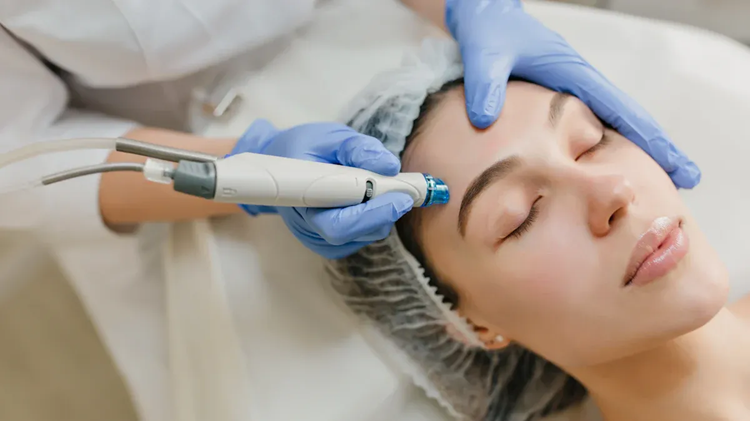
Skin Testing Machine technology uses multispectral imaging and advanced sensors to measure important skin properties. These machines can analyze hydration, elasticity, and barrier function with high accuracy. Multispectral imaging captures data from different layers of the skin. Sensors then provide quantitative results that help users understand their skin health.
The following table shows how these methods work and what they reveal:
| Methodology | Results | Conclusion |
|---|---|---|
| Visible optical image processing for hydration | Significant increase in skin moisture after treatment | Daily use improves skin barrier function and hydration |
| Double-blind study measuring SC hydration, TEWL | Improved skin hydration and barrier function | Functional moisturizer enhances hydration and gene expression |
| Confocal Raman spectroscopy for barrier function | Visualization of water distribution in epidermal layers | NIR imaging helps track hydration deep within the skin |
These technologies allow the Skin Testing Machine to deliver precise measurements. Users can see changes in their skin over time. This helps them make safer choices about skincare products.
AI Analysis for Skin Safety
Artificial intelligence plays a key role in modern Skin Testing Machine systems. AI uses large amounts of human-relevant data to predict how skin will react to different products. This approach improves accuracy and reduces the need for animal testing. AI models can quickly analyze images and sensor data to spot potential safety issues.
| Key Findings | Implications |
|---|---|
| AI uses human-relevant data | Improves accuracy in predicting skin safety issues |
| Eliminates need for animal testing | Reduces ethical concerns and testing time |
| Trained on validated non-animal data | More reliable predictions for human skin responses |
| Accelerates discovery of safer ingredients | Enhances efficiency in cosmetic chemical evaluations |
A review of studies found that AI models often match the performance of board-certified dermatologists in classifying skin lesions. In many cases, AI speeds up diagnosis and improves triage. This means that a Skin Testing Machine with AI can help users get fast, reliable results. However, expert review remains important for complex cases.
Allergen and Irritation Detection
Detecting allergens and irritants is essential for safe skincare. A Skin Testing Machine can use advanced methods to identify early signs of irritation before they become visible. Some systems include a history management tool that tracks irritation test results. They can automatically detect where samples are placed on the skin and measure redness or swelling in real time.
AI-based wearable sensors can also spot early inflammatory changes. These sensors collect data continuously and send it to a deep neural network. The network classifies skin responses and gives immediate feedback. This helps users avoid products that might cause allergic reactions.
Recent studies show that deep learning models can automate patch test evaluations. By analyzing images of skin reactions, these models improve the detection of allergens. This makes the Skin Testing Machine a valuable tool for anyone who wants to avoid irritation and keep their skin healthy.
Tip: Using a Skin Testing Machine regularly can help you track changes in your skin and prevent problems before they start.
Safety Protocols and Procedures
Pre-Test Preparation
Proper preparation is essential for accurate and safe skin testing. Following these steps helps ensure reliable results:
●Wear loose-fitting clothes, such as short sleeves, to allow easy access to the skin.
●Avoid applying lotion, cream, or perfume before the test. Clean skin gives the best readings.
●Stay cool and relaxed. Sweating can affect the accuracy of the test.
●If testing for food allergies, do not self-test before your appointment.
Pre-test protocols help identify people at risk of hypersensitivity reactions. Conducting these steps before using a Skin Testing Machine reduces the chance of inaccurate analysis. Studies show that following these protocols increases the reliability of test results and helps prevent negative reactions.
Safe Scanning Process
During the scanning process, safety measures protect users from harm. Low-powered lasers are used to reduce the risk of skin burns. Proper handling and regular maintenance of the scanning device are important. These steps prevent accidental exposure and create a safer environment for everyone. Standardized safety protocols also minimize variability in testing. This reduces the risk of false positive or false negative results, which can impact patient care.
Note: Consistent safety procedures help avoid unnecessary treatments and missed diagnoses.
Secure Results and Recommendations
Protecting user privacy and ensuring accurate results are top priorities. Advanced data handling methods, such as privacy-preserving federated learning, keep personal information safe. This technology allows for accurate analysis without sharing raw data. Recommendations based on skin testing follow strict quality control measures. Only safe ingredients are suggested, and harsh chemicals are avoided. Manufacturers provide detailed ingredient information to support safe skincare choices.
Following these protocols ensures that every step, from preparation to recommendations, protects the user and delivers reliable outcomes.
Advanced Features for Enhanced Safety
UV and Cross-Polarized Imaging
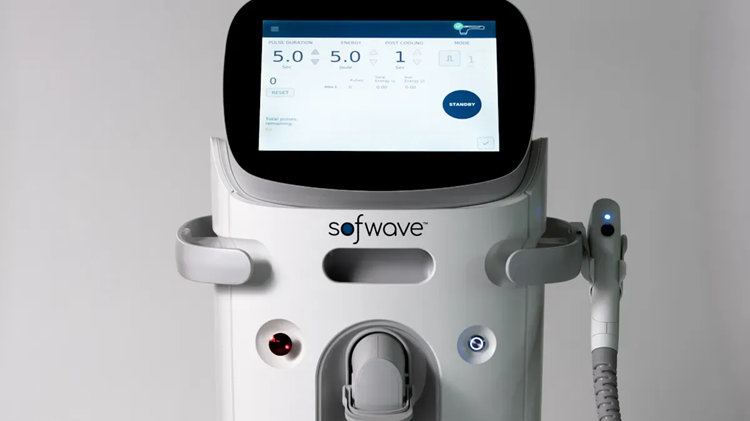
Modern skin testing machines use UV and cross-polarized imaging to reveal details that are invisible to the naked eye. UV dermoscopy enhances the visualization of pigmentation and helps identify the depth of pigment in the skin. This technology can detect sun damage before it appears on the surface. It also highlights hidden melasma and UV-induced DNA changes, which are important for early intervention. Cross-polarized imaging uses special light to show skin texture and sub-surface structures. These advancements help dermatologists and users spot potential problems early and choose safer skincare routines.
| Feature | Benefit |
|---|---|
| UV dermoscopy | Shows perifollicular pigmentation and fuzzy borders in skin conditions |
| Coral-red fluorescence | Aids in diagnosis and treatment of affected areas |
| Depth of pigment distribution | Reveals how deep pigmentation goes |
| Polarized spectral imaging | Displays skin texture and sub-surface features |
| UV light fluorescence | Diagnoses disorders by highlighting affected areas |
Tip: UV imaging can help you see areas at risk for future pigmentation problems, allowing for preventive care.
Percentile Scoring and Compliance
Percentile scoring compares your skin results to a large database of similar individuals. This method highlights your strengths and areas for improvement. Skincare professionals use this information to create personalized treatment plans. Machines also follow strict international safety standards. For example, the FDA in the United States and the PMDA in Japan require specific tests to ensure product safety. These protocols help confirm that products have low risk for allergic reactions.
| Country | Regulatory Body | Testing Protocols |
|---|---|---|
| Japan | PMDA | GPMT, Buehler test, LLNA |
| United States | FDA | SPT, HRIPT |
| South Korea | Ministry of Food and Drug Safety | Skin sensitization tests under the Cosmetics Act |
Continuous Updates for Safety
Skin testing machines now include safety systems that protect users from heat and other risks. For example, thermal safety systems use special bladders that vaporize to prevent burns if the device gets too hot. These systems work automatically and do not need a power supply. New wearable devices can measure skin emissions and monitor skin health in real time. Flexible designs make these devices comfortable and effective for continuous use. Regular updates and new sensors help detect problems early and keep users safe.
●Thermal safety systems minimize the risk of injury.
●Wearable sensors monitor skin health and product effectiveness.
●E-skin technology allows for real-time, remote care.
Continuous innovation in skin testing machines means safer, more personalized skincare for everyone.
Skin testing machines combine advanced technology and strict protocols to protect users. These devices use innovative features for precise, safe, and personalized skincare.
| Benefit | Result |
|---|---|
| Custom analysis | Safer, more effective routines |
| Real-time monitoring | Early detection of skin concerns |
●Personalized advice supports ongoing skin health and builds trust.
●Proactive testing helps users make informed choices for healthier skin.
FAQ
How do skin testing machines help prevent allergic reactions?
Skin testing machines detect early signs of irritation. They analyze skin responses and recommend safe products. This reduces the risk of allergic reactions.
Are skin testing machines safe for daily use?
Most machines use gentle sensors and follow strict safety protocols. Users can safely monitor their skin health every day without discomfort.
What information does a skin testing machine provide?
| Data Type | Example |
|---|---|
| Hydration Level | Shows skin moisture percentage |
| Elasticity Score | Measures skin firmness |
| Barrier Function | Assesses skin protection ability |
Skin testing machines give detailed results for better skincare choices.
Post time: Mar-16-2026


