


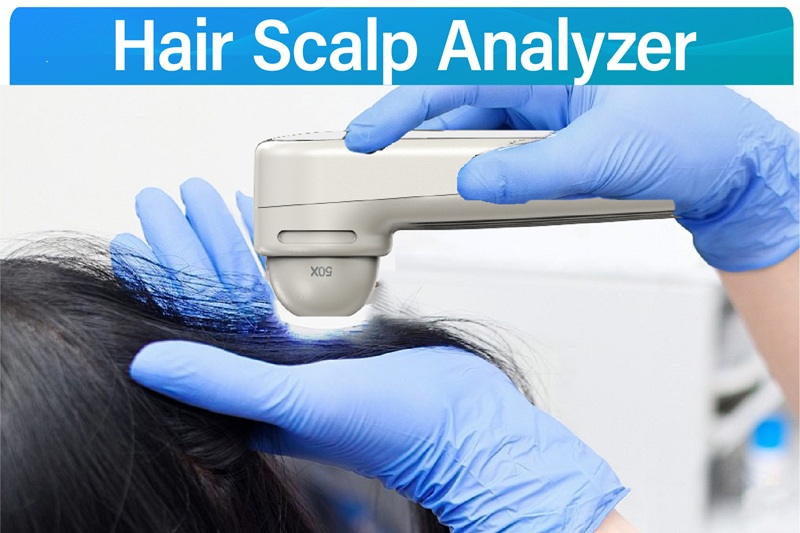
When I choose a hair scalp analyzer, I focus on these essential functions for effective scalp analysis and scalp health:
●High-resolution imaging for detailed hair and scalp evaluation
●Advanced detection of scalp and hair issues
●AI-powered analysis tools
●Simple user experience
●Safety for every scalp type
Key Takeaways
●High-resolution imaging is crucial for accurate scalp analysis. It helps detect early signs of hair loss and scalp conditions.
●AI-driven analysis tools provide objective data, improving treatment outcomes and allowing for personalized care plans.
●Regular scalp analysis helps track changes in scalp health, enabling early intervention and better long-term hair care.
Imaging & Detection in Hair Scalp Analyzer
High-Resolution Imaging & Magnification
When I select a scalp analyzer, I always check the imaging quality first. High-resolution imaging and strong magnification are essential for accurate scalp analysis. These features allow me to see every detail of the scalp, hair shafts, and follicles. I look for a minimum resolution of 64 pixels in width to detect hair loss. For even better results, I prefer 128 pixels or higher, which gives a detection rate of over 95% for alopecia. If I want to spot vellus-like hair, I need a resolution of 1024 pixels. This level of detail helps me catch early signs of scalp conditions before they become serious.
Tip: High-definition lenses and AI-powered image processing make it easier to analyze multiple scalp concerns in different areas. I rely on these features for a comprehensive hair health assessment.
Here is a comparison of high-resolution imaging and standard imaging in scalp analyzers:
| Feature | High-Resolution Imaging | Standard Imaging |
|---|---|---|
| Detail Level | Provides detailed and quantifiable data | Limited detail |
| Early Detection Capability | Identifies subtle changes in scalp health | May miss early-stage conditions |
| Intervention Timing | Enables early intervention and personalized plans | Often reactive |
| Technology Used | Utilizes AI and advanced imaging techniques | Basic imaging methods |
High-resolution imaging uses advanced digital technology to measure follicle diameters and count hairs precisely. This reduces errors in scalp analysis and helps me detect problems early. I can then create personalized recommendations for scalp care.
Detection of Thinning, Shedding & Inflammation
A good hair scalp analyzer must detect hair thinning, shedding, and inflammation. I use several technologies for this purpose. Laser Doppler Flowmetry measures blood flow and creates a perfusion map. Laser Speckle Contrast Imaging shows blood flow patterns in different scalp regions. Photoplethysmography uses light to measure blood volume changes. Near-Infrared Spectroscopy checks blood oxygenation and flow. Thermal Infrared Imaging detects temperature changes to infer blood circulation.
| Technology | Description | Advantages | Limitations |
|---|---|---|---|
| Laser Doppler Flowmetry (LDF) | Measures blood flow using a laser, generating a perfusion map. | High sensitivity, real-time monitoring | Susceptible to movement artifacts, requires calibration |
| Laser Speckle Contrast Imaging (LSCI) | Captures images of blood flow patterns, providing regional visualization. | Non-invasive, fast | More expensive, limited to specialized facilities |
| Photoplethysmography (PPG) | Measures blood volume changes using light absorption. | Simple, portable, affordable | Only measures surface blood flow |
| Near-Infrared Spectroscopy (NIRS) | Analyzes light absorption to assess blood oxygenation and flow. | Provides data on scalp oxygen balance | Requires calibration, professional interpretation |
| Thermal Infrared Imaging | Detects temperature variations to infer blood circulation. | Non-contact, quick | External conditions can affect results |
I use these methods to spot early signs of hair loss and inflammation. Early detection allows me to recommend targeted treatments and improve scalp health before problems get worse.
Assessing Follicle Health & Sebum Balance
I always check follicle health and sebum balance during scalp analysis. Trichoscopy lets me see follicular openings and keratin buildup without any pain. Sometimes, a biopsy confirms inflammatory scalp conditions. AI-powered dermoscopy gives me objective measurements of scalp health. I also use sebum and hydration level testing to measure the balance of natural oils and moisture. TEWL measurement tells me how quickly water evaporates from the scalp, which shows how strong the scalp barrier is. The erythema index measures redness and helps me assess inflammation. I use itch and pain scales to understand discomfort. Inflammatory biomarker testing reveals immune responses in the scalp.
These methods are reliable. Clinical guidelines and studies support their use for diagnosing scalp conditions and monitoring follicle health. Sebumetry, for example, is a trusted technique. It gives objective and repeatable results for scalp analysis. The European Expert Group on Efficacy Measurement of Cosmetics and Other Topical Products recognizes sebumetry as the reference method for measuring sebum levels. I like that sebumetry is portable, painless, and quick. It helps me track changes in scalp health over time.
Note: I clean my scalp analyzer weekly and calibrate it every six months. Devices with self-cleaning sensors make maintenance easier and keep results accurate.
Identifying Nutritional Deficiencies & Environmental Damage
I use scalp analyzers to detect nutritional deficiencies and environmental damage. Hair Tissue Mineral Analysis (HTMA) measures the mineral content in hair over the past two to three months. This method shows long-term nutritional and metabolic status. Hair absorbs minerals and toxins from the bloodstream as it grows. I check for essential minerals like magnesium, zinc, selenium, chromium, and manganese. I also look for toxic metals such as lead, mercury, arsenic, and cadmium. These biomarkers give me valuable health insights and help me create personalized care plans.
Regular scalp analysis helps me track changes in scalp health and hair quality. I can spot early signs of damage from poor nutrition or environmental exposure. This allows me to give personalized recommendations and support long-term hair health. I believe that a good scalp analyzer should always include these advanced detection features for the best results in scalp analysis and hair analysis.
Advanced Analysis & User Experience in Scalp Analyzer
AI-Driven Scalp Analysis Tools
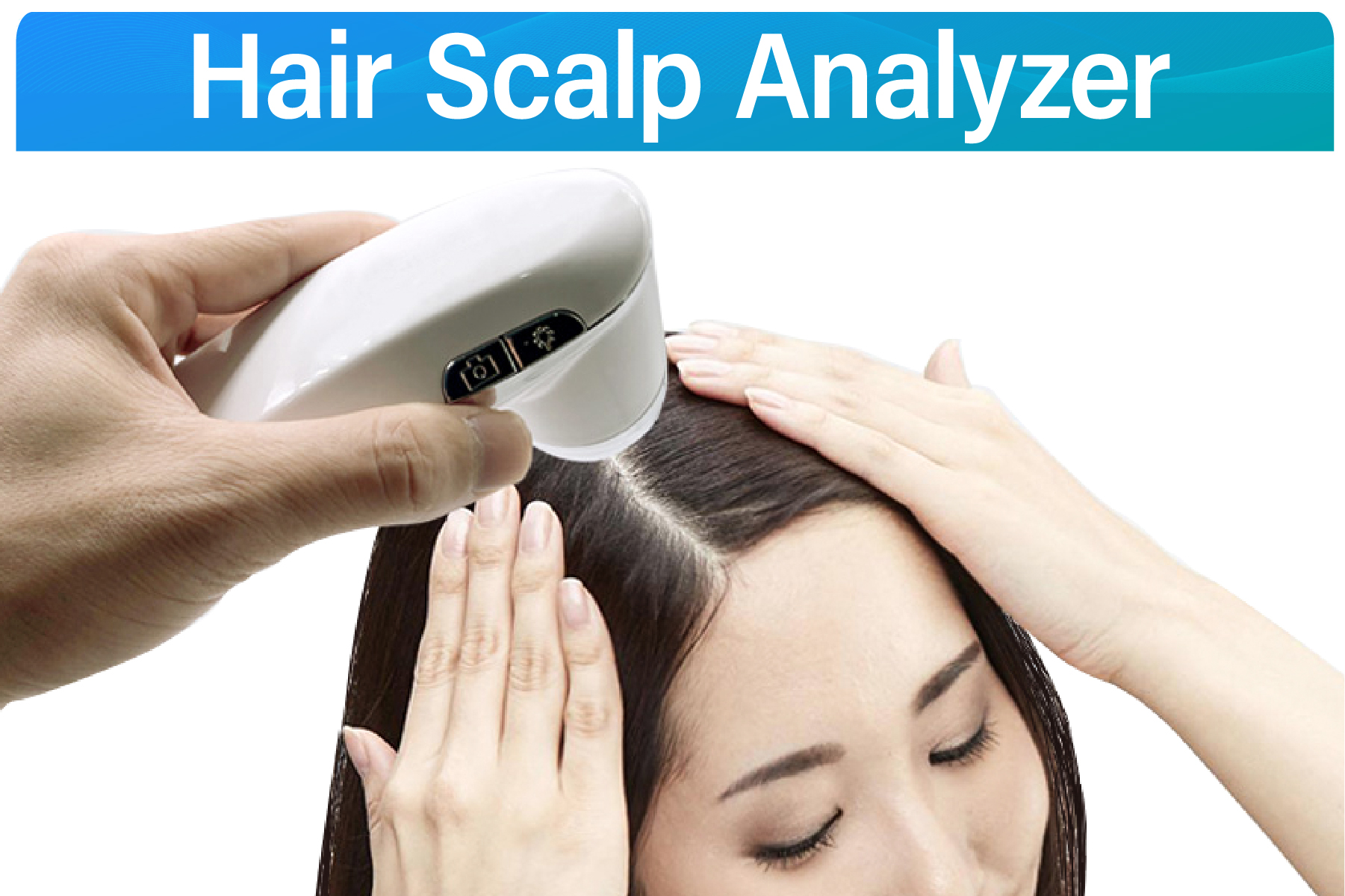
When I use a modern scalp analyzer, I always look for AI-driven scalp analysis tools. These tools give me objective data that manual methods cannot match. AI technology helps me see hidden scalp issues, such as deep pigmentation and early follicle miniaturization. I can detect inflammation and subtle changes in hair follicles that I might miss with my eyes alone. This level of accuracy improves my treatment outcomes and builds trust with my clients.
Here is a comparison of AI-driven scalp analysis tools and traditional manual methods:
| Advantage | AI-Driven Tools | Traditional Methods |
|---|---|---|
| Accuracy | High accuracy with data-driven results | Dependent on manual observation |
| Objectivity | Objective data analysis | Subjective interpretation |
| Consistency | Consistent results across analyses | Variability based on practitioner |
| Early Detection | Detects early signs of conditions | May miss subtle signs |
| Real-Time Monitoring | Provides ongoing monitoring | Static assessments |
| Personalized Recommendations | Tailored treatment suggestions | Generalized advice |
AI tools also improve the quality of my consultations. I can reduce subjectivity and support my recommendations with evidence. I use these tools to create personalized recommendations for targeted treatments. This approach helps me deliver better scalp health outcomes and more effective hair loss prevention.
Tip: AI-driven scalp analysis tools can detect conditions like follicle miniaturization and inflammation that are not visible to the naked eye. This supports early intervention and personalized care.
Data Tracking & Predictive Hair Analysis
I rely on data tracking features in my scalp analyzer to monitor scalp health over time. By recording each scalp analysis session, I can see trends and changes in hair follicles, sebum balance, and scalp barrier integrity. This helps me recommend targeted treatments before visible hair loss begins.
| Scalp Condition | Contribution to Health Outcomes |
|---|---|
| Hair Follicle Health | Early detection of follicle miniaturization supports preventive treatments before visible hair loss begins. |
| Sebum Secretion Balance | Real-time measurement of sebum levels helps recommend personalized scalp care products and treatments. |
| Inflammation and Sensitivity | Early identification of inflammation allows for targeted care plans to reduce discomfort and prevent further damage. |
| Scalp Barrier Integrity | Monitoring barrier integrity supports treatments that restore scalp resilience, ensuring long-term protection. |
| Early Hair Loss Risks | Combining various data points allows for early detection of hair loss risks, enabling preventive action. |
Predictive hair analysis is another key feature I use. AI functions in my analyzer can forecast future scalp changes and anticipate potential hair loss. This allows me to create personalized care plans and take preventive action. I can give my clients insights into their long-term hair health and help them avoid serious scalp conditions.
| AI Function | Purpose | Example Insights Generated |
|---|---|---|
| Predictive Analysis | Forecast future scalp changes | Anticipates potential hair loss |
Regular scalp analysis and data tracking give me a complete picture of scalp health. I can make informed decisions and provide personalized recommendations for each client.
User Interface & Ease of Use
A user-friendly interface is essential in any scalp analyzer. I want to record scans and treatment logs easily during each scalp analysis session. The best scalp analyzers have simple controls and clear displays. I can quickly access previous analysis results and compare them with new data.
●User-friendly interface: Designed for regular use, enabling easy recording of scans and treatment logs.
●Secure data handling: Emphasizes privacy and user control over data, ensuring protection of scans and reports.
I value secure data handling in my scalp analyzer. Protecting client privacy is important to me. I choose devices that let me control access to scalp analysis data and reports. This builds trust and keeps sensitive health information safe.
Data Interpretation & Reporting
Accurate and clear reporting is a must for effective scalp analysis. My scalp analyzer uses advanced imaging and AI algorithms to process data in real time. High-resolution imaging allows me to assess scalp conditions and hair health with precision. I can generate personalized treatment plans based on comprehensive hair health assessment and analysis.
The reporting features in my analyzer help me explain scalp analysis results to clients. I can show them detailed images and data, making it easier for them to understand their scalp health. This supports my personalized recommendations and helps clients follow their care plans.
Note: Clear and accurate reporting builds confidence in my recommendations and improves client satisfaction.
Safety & Compatibility for All Scalp Types
Safety is a top priority when I choose a scalp analyzer. I check that each device meets strict safety standards for all scalp types and hair textures. Manufacturers evaluate every ingredient for natural origin, environmental impact, and processing method. They review quality grade, active matter concentration, usage levels, pH tolerance, and preservation system compatibility. International regulatory compliance and allergenic potential are also considered.
Manufacturers test finished products with volunteer trialists of different genders, ethnicities, ages, scalp types, and hair textures. Independent third-party experts conduct Cosmetic Product Safety Reports (CPSR) to ensure global compliance. Third-party labs verify stability, shelf-life, and microbiological safety.
●Each ingredient is evaluated for natural origin, environmental impact, and processing method.
●Internal review process includes analysis of quality grade, active matter concentration, usage levels, pH tolerance, preservation system compatibility, international regulatory compliance, and allergenic potential.
●Finished product tolerance and CPSR testing involve volunteer trialists of diverse genders, ethnicities, ages, scalp types, and hair textures.
●Cosmetic Product Safety Reports (CPSR) are conducted by independent third-party experts to ensure global compliance.
●Third-party laboratory testing verifies stability, shelf-life, and microbiological safety.
I also look for scalp analyzers that integrate with other hair care technologies and digital health platforms. Some devices use AI-based hair scalp analysis to inspect hair texture, density, and scalp health. Others offer web-based diagnostic tools or focus stacking solutions for detailed scalp analysis. These features make scalp monitoring more accessible and improve my ability to deliver personalized hair care.
Tip: I recommend trichology certification programs for professionals who use advanced scalp analyzers. Training covers scalp anatomy, conditions, treatments, and client management. Hands-on experience and continuing education help me stay updated on the latest scalp analysis techniques.
When I choose a scalp analyzer, I focus on features that deliver accurate scalp and hair analysis. High-resolution imaging and AI-powered hair density tracking help me spot early signs of hair loss. I rely on techniques like Raman spectroscopy for sensitive hair analysis. Personalized treatment plans improve scalp health and prevent hair loss. I track scalp changes and monitor hair loss risks. These tools give me reliable health insights and support better hair care.
I recommend selecting a scalp analyzer with advanced scalp analysis and monitoring features. This ensures personalized hair care and long-term scalp health.
●AI and machine learning allow me to create custom hair loss prevention strategies.
●High-quality imaging lets me assess scalp and hair health with precision.
●Regular scalp analysis helps me track hair loss and scalp health over time.
FAQ
What is the most important feature in a scalp analyzer?
I always check for high-resolution imaging. This feature helps me see scalp details clearly and catch early signs of hair or scalp problems.
Can I use a scalp analyzer at home?
I use some scalp analyzers at home. I choose models with simple interfaces and clear instructions. Professional models need special training.
How often should I perform scalp analysis?
●I recommend scalp analysis every three to six months.
●Regular checks help me track changes and adjust my hair care routine.
Post time: Jun-01-2026


