


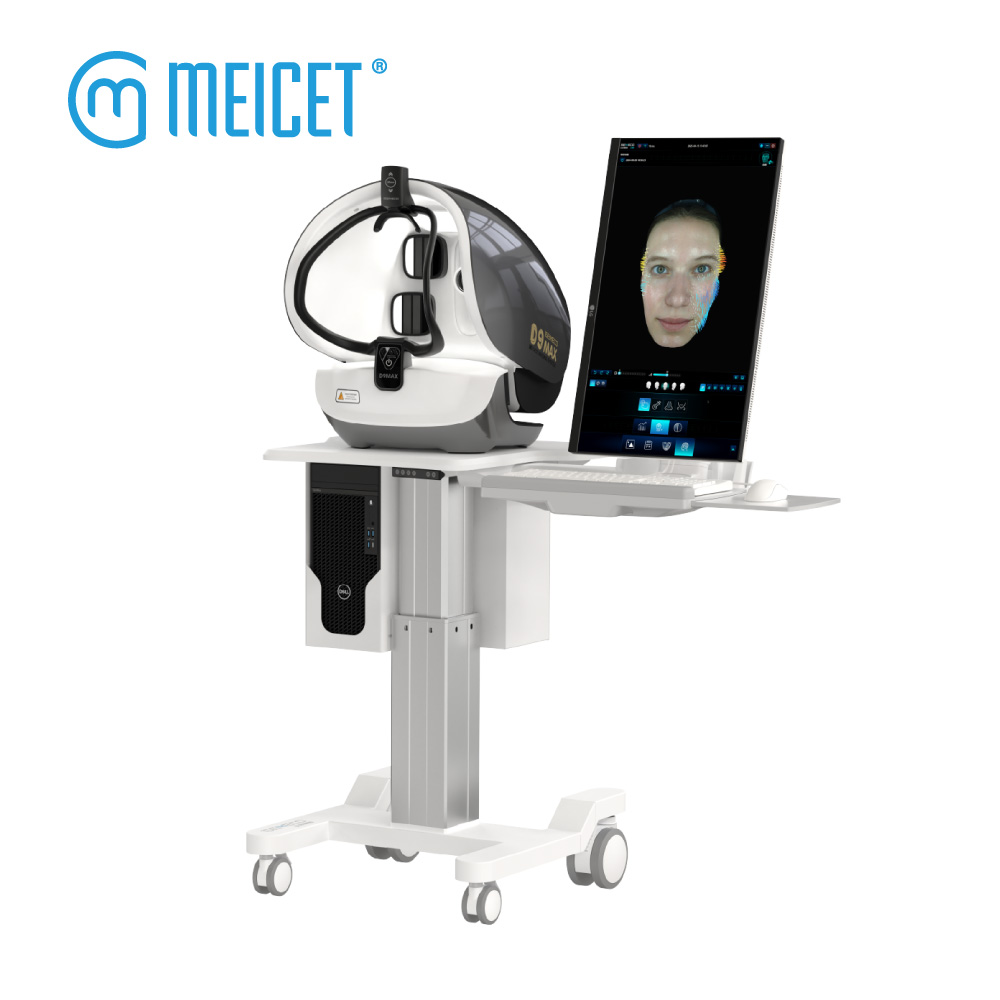
Choosing the right Skin Analyzer can feel confusing. Home and professional devices show clear differences in technology, accuracy, and safety. Cost also varies. Expert guidance plays a key role. Understanding these differences helps people make better choices for their skincare routines.
Key Takeaways
●Professional skin analyzers provide detailed skin analysis using advanced imaging technology. They can diagnose conditions and offer personalized treatment plans.
●Home skin analyzers are affordable and user-friendly, but they focus on basic monitoring and may lack accuracy. They are best for mild skin concerns.
●Choosing the right skin analyzer depends on your needs. For serious skin issues, professional analysis is essential, while home devices suit routine maintenance.
Skin Analyzer Technology
Imaging and Sensors
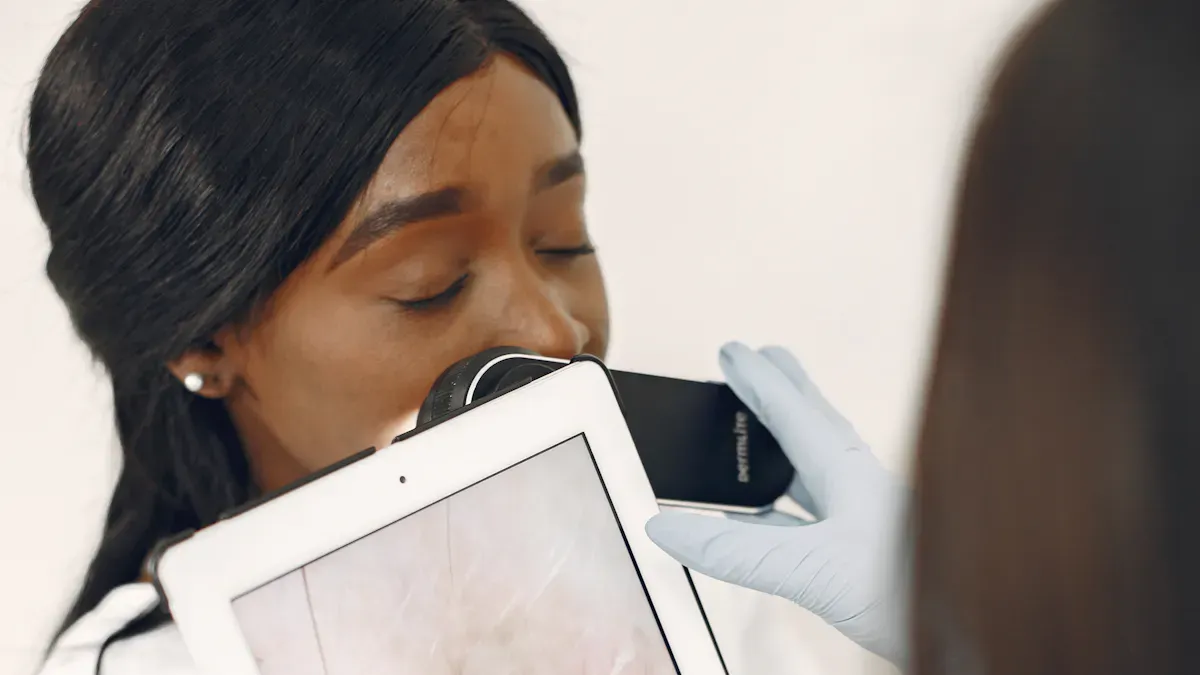
Professional Skin Analyzer devices use advanced imaging systems. These systems capture high-resolution images and analyze skin layers in detail. Home devices rely on smaller sensors and AI-based recognition. They track visible skin metrics and focus on basic monitoring.
| Feature | Professional Skin Analyzers | Home Skin Analyzers |
|---|---|---|
| Imaging System | High-resolution imaging systems | Smaller sensors with AI recognition |
| Detail Level | Analyzes skin layers in greater detail | Tracks visible metrics |
| Diagnostic Capability | Can diagnose medical conditions | Primarily for skincare monitoring |
Modern professional analyzers integrate with other dermatological tools. This integration improves diagnostic accuracy and allows for detailed assessments. Home devices offer limited integration and provide basic results.
Note: High-end skin camera systems have improved diagnostic accuracy and enable personalized skincare treatment.
AI and Predictive Features
Artificial intelligence plays a major role in professional Skin Analyzer technology. These devices use multi-spectral imaging and advanced optics. AI-driven analysis interprets data objectively, using convolutional neural networks (CNNs). This approach maps skin health in multiple dimensions and detects early signs of issues like UV damage.
| Feature | Professional AI Skin Analyzers | Home Devices |
|---|---|---|
| Imaging Technology | Multi-spectral imaging with advanced optics | Standard RGB camera |
| Data Interpretation | AI-driven, objective analysis using CNNs | Limited, subjective analysis |
| Skin Health Assessment | Comprehensive, multi-dimensional mapping | Basic surface analysis |
| Detection of Conditions | Early detection of sub-epidermal issues | Limited to visible features |
| Diagnostic Speed | Instantaneous, data-driven assessments | Slower, manual assessments |
Professional analyzers also integrate with advanced dermatological tools. This integration allows for accurate diagnostics and reproducible assessments. Home devices provide basic analysis and slower, manual assessments.
Recent advancements include sensor smart skincare predictions. Consumers can use data insights for effective home skincare management. AI now analyzes thousands of skin samples and treatment results, offering predictive capabilities for skin aging and treatment suggestions.
Analysis Depth
Professional Skin Analyzer devices offer deeper analysis than home devices. They objectively quantify skin quality metrics using AI. These devices track skin changes over time and generate personalized treatment recommendations. Home analyzers focus on surface-level monitoring and lack detailed predictive features.
●Professional analyzers monitor skin conditions longitudinally.
●They provide personalized recommendations based on individual skin features.
●Home devices typically lack these advanced capabilities.
The professional Skin Analyzer market is expanding. Companies innovate to enhance diagnostic reliability and offer personalized skincare solutions. High-end analyzers connect to smartphones, allowing clients to track skin health history and monitor progress.
Tip: Choosing a professional Skin Analyzer gives access to deeper analysis and predictive features, while home devices offer convenience and basic monitoring.
Accuracy and Results
Professional Skin Analyzer Precision
Professional Skin Analyzer devices deliver high accuracy and reliable results. Clinical studies show that these analyzers provide consistent assessments of skin conditions. For example, MEICET devices use advanced AI algorithms that detect skin issues with low variability. Continuous software updates improve accuracy for different skin types. In clinical settings, these devices help professionals make precise diagnoses and create effective treatment plans.
| Study | Focus | Findings |
|---|---|---|
| Steiner MFC (2011) | Diagnostic accuracy of teledermatology | Poor agreement for subjective skin damage assessment |
| Baumeister T et al. (2009) | Assessment of dermatitis | Very good agreement for dermatitis assessment |
Home Device Limitations
Home skin analyzers have several limitations in accuracy and precision. These devices often rely on single parameters, making it hard to distinguish between similar skin conditions. Thin sensors can be affected by environmental factors or manual handling, which leads to errors. Limited measurement frequency also impacts diagnostic accuracy. Many commercial devices are not practical for daily use and may not perform well during routine activities.
| Limitation Type | Description |
|---|---|
| Measurement Frequency | Limited measurement frequency affects diagnostic accuracy. |
| Reliance on Single Parameters | Difficulty in distinguishing between skin conditions. |
| Susceptibility to External Noise | Sensors are prone to errors from environment and handling. |
| Practicality for Daily Use | Devices may not perform well during routine activities. |
Expected Outcomes
Users can expect different results from home and professional Skin Analyzer devices.
●Home skin analyzers offer minor improvements and are designed for safety.
●Professional devices provide deeper, long-lasting results with tailored treatment plans.
●In-office treatments use medical-grade products and advanced technology for effective solutions.
●Professional guidance ensures safety and maximizes effectiveness.
| Aspect | Home Skin Analyzers | Professional Skin Analyzers |
|---|---|---|
| Power and Precision | Less powerful, designed for safety | More powerful, deep and lasting changes |
| Customization | One-size-fits-all approach | Tailored treatment plans |
| Treatment Depth | Surface-level improvements | Deeper penetration for effective treatment |
| Product Quality | Over-the-counter products | Medical-grade products |
| Safety | Risks of misuse and skin damage | Controlled environment |
| Results | Temporary improvements | Long-lasting results |
Note: Professional Skin Analyzer clients report higher satisfaction rates and faster measurements compared to home device users.
Safety and Regulation
Safety Features in Home Devices
Home skin analyzers are designed with user safety in mind. Manufacturers focus on minimizing risks and making devices easy to use at home. Most home-based devices have a strong safety record. Users rarely report serious side effects. The most common issue is mild, temporary redness that fades quickly. No significant adverse events have been linked to these devices.
●Devices use gentle sensors to avoid skin irritation.
●Automatic shut-off features prevent overuse.
●Instructions guide users to avoid misuse.
●Materials are tested for skin compatibility.
Note: Home skin analyzers are generally safe for regular use, with only minor, short-lived effects reported.
Professional Oversight
Professional skin analyzers require trained operators. Estheticians and skincare professionals must complete basic esthetics education, often through beginner classes. A high school diploma or GED is usually needed. Good communication skills and attention to detail help professionals succeed. Experience in salons or clinics adds valuable hands-on practice. Some states require specific training hours for advanced certifications.
1.Complete esthetician training.
2.Gain experience in skincare settings.
3.Meet state requirements for hands-on certification.
Professionals also benefit from specialized training on skin analysis machines. This training improves their skills and opens new career opportunities in skincare.
Regulatory Standards
Regulatory standards help ensure the safety and effectiveness of both home and professional skin analyzers. Devices must meet guidelines set by trusted organizations. Certification providers should follow standards such as CE, FDA, ISO13485, or TGA.
“Picking the right certification provider is key. Look for groups designed to meet relevant standards of CE/FDA/ISO13485/TGA by trusted institutions.”
These standards protect users and support high-quality results in both home and clinical settings.
Cost and Accessibility
Price Comparison
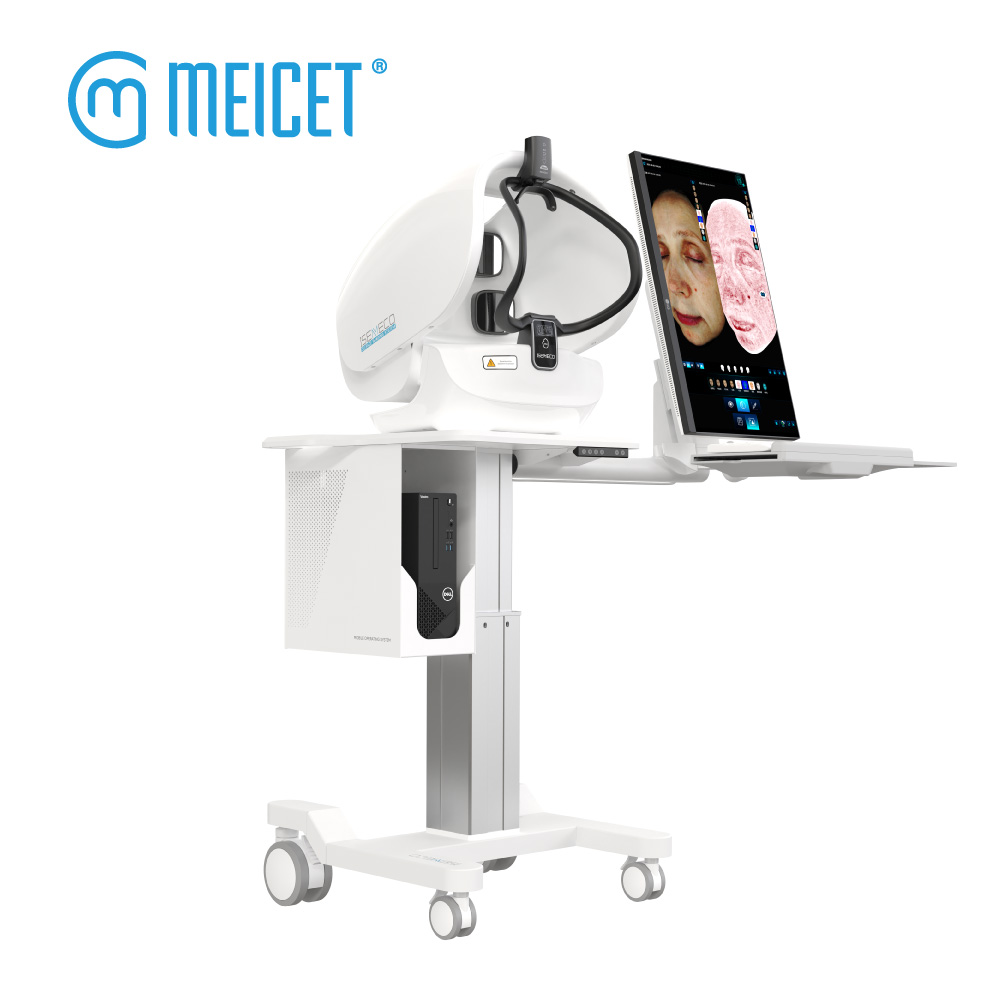
The cost difference between home and professional skin analyzers is significant. Home devices are much more affordable for most people. Professional models require a larger investment. The table below shows the typical price ranges:
| Type of Analyzer | Price Range |
|---|---|
| Professional Skin Analyzers | $1,000 – $20,000 |
| Home Skin Analyzers | $30 – $300 |
Professional analyzers often include advanced features and higher-quality components. Home devices focus on essential functions for personal use.
Convenience and Use
Home skin analyzers are designed for easy use and high accessibility. Most people can use them without special training. These devices are portable and fit into daily routines. Professional analyzers, on the other hand, are usually stationary and require trained staff. The table below highlights key differences:
| Feature | Home Skin Analyzers | Professional Skin Analyzers |
|---|---|---|
| Accessibility | High | Requires expertise |
| User-Friendliness | Beginner-friendly | Needs training |
| Portability | Compact | Stationary |
| Price Range | Affordable | Expensive |
Long-Term Value
When considering long-term value, it is important to look beyond the initial price. Many online skin analyzers have an inaccuracy rate of 42-58% compared to dermatologist evaluations. About 73% of product recommendations from these devices are not clinically appropriate. This can lead to wasted money and possible skin issues. Also, most online analyzers suggest products from their own brands or affiliates, often at premium prices.
●Home analyzers work well for basic monitoring.
●Professional analyzers provide more reliable results and support better treatment planning.
●Warranty and support services are similar, with both types offering at least one year of coverage and video technical support.
Tip: Consider your needs and how often you plan to use a Skin Analyzer before making a purchase.
Expert Guidance and Customization
Professional Interpretation
Professional skin analyzers offer expert interpretation that transforms skin assessment into actionable results. Trained clinicians use structured evaluations to reduce misdiagnosis rates and build trust with clients. Objective data supports tailored treatment plans and helps track visible progress. Clinics report higher accuracy and patient satisfaction when using these tools. The table below summarizes the main benefits:
| Benefit | Description |
|---|---|
| Improved Diagnosis | Structured evaluations lead to more accurate skin assessments. |
| Enhanced Client Trust | Objective data fosters trust and improves adherence to treatment. |
| Personalized Treatment | Quantifiable data allows for tailored skincare solutions. |
| Progress Tracking | Clients see measurable improvements, boosting satisfaction. |
| Efficient Resource Use | Data-driven processes optimize clinical resources. |
Utilizing a skin assessment tool establishes a foundation for treatment decisions. Measurable insights guide clinicians in monitoring patient progress and ensure recommendations are based on reliable data.
DIY Analysis
Home skin analyzers rely on self-guided analysis. Users interpret results without expert support. This approach often leads to high inaccuracy rates, with many product recommendations not matching actual skin needs. Smartphone cameras cannot detect subsurface skin issues, and AI algorithms may miss important details for certain skin tones. Many users spend money on products that do not deliver results.
●Inaccuracy rates range from 42% to 58% compared to dermatologist evaluations.
●73% of product recommendations are not clinically appropriate.
●Home devices miss deeper skin concerns due to limited imaging technology.
Personalized Recommendations
Professional skin analyzers provide advanced imaging and multi-spectral analysis. These tools capture detailed skin data and generate visual reports that track hydration, wrinkle depth, and other attributes. Clinicians use this information to create customized skincare plans. Home devices offer basic assessments and lack the precision needed for true personalization. Professional guidance ensures recommendations match individual skin conditions and support long-term improvement.
Professional analysis delivers deeper insights and more effective skincare solutions than DIY approaches.
Home skin analyzers offer convenience and affordability. Professional devices provide deeper analysis and expert guidance. Dermatologists recommend choosing FDA-cleared devices with clear safety instructions. At-home models suit mild conditions and maintenance. For serious concerns, professional analysis remains essential. Consider your priorities, budget, and need for accuracy before deciding.
FAQ
What is the main difference between home and professional skin analyzers?
| Home Use | Professional Use |
|---|---|
| Basic monitoring | Deep analysis |
| Easy to use | Requires expertise |
Are home skin analyzers safe for daily use?
Most home skin analyzers use gentle sensors. Users rarely report side effects. Always follow instructions for best results.
How do I choose the right skin analyzer for my needs?
●Identify your skin concerns.
●Decide if you need expert guidance.
●Compare features and price.
●Read reviews from trusted sources.
Post time: Apr-07-2026


