


A Skin Testing Machine scans the skin using advanced sensors and AI to deliver precise results. Understanding its operation helps users make informed skincare choices.
●Accurate skin assessments reveal individual needs.
●Personalized treatment plans improve outcomes.
●Regular testing tracks skincare effectiveness.
Consumers and professionals benefit from these insights.
Skin Testing Machine Basics
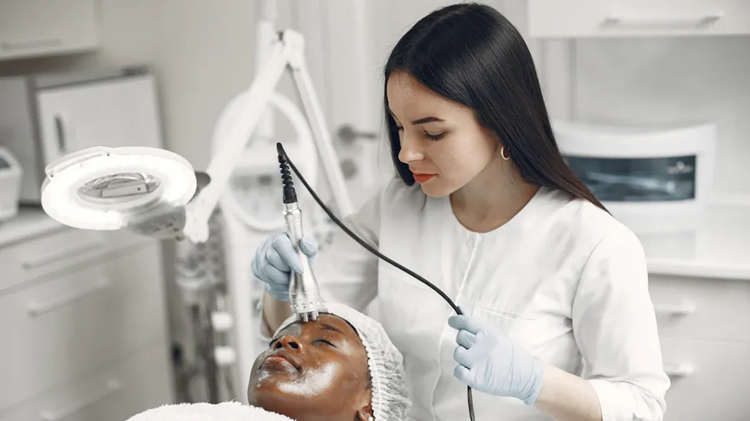
Main Functions
A Skin Testing Machine is a diagnostic device that uses high-resolution imaging, UV light, and artificial intelligence to evaluate skin conditions. Its main functions help users and professionals understand skin health and make better skincare decisions.
| Definition | Core Functions |
|---|---|
| A skin analyzer is an advanced diagnostic device that evaluates various skin conditions using high-resolution imaging, UV light, and AI algorithms. | - Identifies skin conditions before they become visible. - Tracks skincare progress over time. - Helps recommend the right treatments and products. - Builds customer trust through visual diagnostics. - Increases consultation conversion rates in clinics and salons. |
Skin Testing Machines also serve important roles in medical and cosmetic fields:
| Function/Use Case | Description |
|---|---|
| Diagnosing Allergic Reactions | Identifies allergic responses in patients. |
| Conducting Allergen Assessments | Assesses reactions to allergens or irritants. |
| Comprehensive Skin Health Evaluations | Uses AI and image processing for thorough evaluations. |
| Applications in Beauty Industry | Performs allergy tests and skin compatibility assessments for cosmetic products. |
| Medical Treatment | Diagnoses conditions like eczema and supports personalized care. |
| Research and Development | Used in dermatology and cosmetic sciences for studies and product development. |
Technologies in 2026
Skin Testing Machines in 2026 feature advanced technologies that improve accuracy and reliability.
●Multi-omics data integration with artificial intelligence creates predictive models for skin diseases.
●3D human skin model technology, including bioprinting and multicellular co-culture systems, simulates skin microenvironments.
●Organ-on-a-chip technology uses 3D bioprinting to build complex skin models with vascular networks and bioengineered hair follicles.
These innovations allow for deeper analysis and more personalized recommendations.
Types of Skin Analysis
Modern Skin Testing Machines perform a wide range of skin tests. The following table shows common types of analysis:
| Type of Analysis | Description |
|---|---|
| RGB Imaging | Captures color information to identify skin issues not visible to the naked eye. |
| UV Imaging | Detects skin damage caused by UV exposure, helping to assess sun damage. |
| PL Imaging | Provides insights into skin texture and conditions through polarized light. |
| Hydration Check | Measures skin moisture levels to inform hydration needs. |
| Sebum Analysis | Evaluates oil production to help manage oily skin conditions. |
| pH Measurement | Assesses skin acidity to guide skincare product choices. |
| Environmental Tracking | Monitors external factors like sun exposure and sleep patterns for personalized skincare. |
A Skin Testing Machine gives users a complete picture of their skin health, helping them choose the right products and treatments.
Using a Skin Testing Machine
Preparation Steps
Proper preparation ensures accurate results from a Skin Testing Machine. Follow these steps before starting the scan:
●Wear loose-fitting clothes, such as short sleeves, to allow easy access to the skin.
●Avoid applying lotion, cream, or perfume. Clean skin gives the best readings.
●Stay cool and relaxed. Sweating can affect the accuracy of the test.
●If testing for food allergies, do not self-test before your appointment.
Tip: Clean skin and comfortable clothing help the machine capture clear images and reliable data.
Safety is important during preparation. The table below highlights key precautions:
| Safety Precautions | Description |
|---|---|
| Ensure resuscitation boxes contain only latex-free materials | Important for patients with latex allergies. |
| Do not use chlorhexidine | Avoid contact with meninges, eyes, and wounds deeper than superficial layers. |
| Rinse immediately if chlorhexidine contacts sensitive areas | Essential to prevent injury. |
| Allow sufficient drying time | Insufficient drying reduces antiseptic efficacy. |
| Ensure adequate contact time | Less than 2 minutes may not achieve full effect. |
| Avoid contamination of sterile equipment | Prevents infection risk. |
| Verify allergy history | Critical to avoid perioperative reactions. |
| Use non-latex gloves for sensitive patients | Prevents allergic reactions. |
Performing the Scan
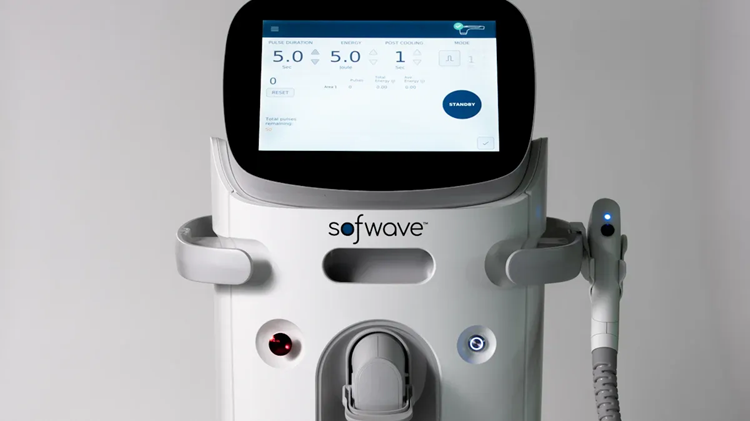
A Skin Testing Machine uses advanced technology to analyze skin health. The scanning process is simple and painless. Follow these steps:
1.Set up the machine. Place it on a stable surface, connect it to power, and turn it on.
2.Input client information. Enter details such as name, age, and skin concerns.
3.Position the client. Make sure the person sits comfortably with their face aligned in the imaging chamber.
4.Select the scan mode. Choose the mode based on skin concerns, like UV light for pigmentation.
5.Conduct the scan. Start the scan to capture high-resolution images.
6.Analyze the data. The AI software processes the images and generates a report.
7.Discuss results and recommend treatment. Use the insights to suggest skincare routines or treatments.
| Component | Duration |
|---|---|
| Imaging Capture | Approximately 30 seconds |
| Discussion of Results | About 10-15 minutes |
Note: The process is safe and painless. Regular use helps track changes in skin health over time.
Interpreting Results
The Skin Testing Machine provides detailed reports after each scan. These reports include key indicators that help users understand their skin condition.
| Key Indicator | Description |
|---|---|
| Skin Tone Evenness | Determined by pigmentation, erythema, and discoloration. |
| Skin Surface Evenness | Assessed through local texture variation and surface texture. |
| Skin Firmness | Evaluated through elasticity and overall skin laxity. |
| Skin Glow | Captured through parameters like radiance and dullness. |
●The data should be viewed as a guide, not a definitive answer.
●Results help customize skincare routines but should be combined with personal observations.
●Professional advice is important to consider alongside the machine’s results.
Callout: Use the report to spot trends and track progress. Combine machine data with your own observations for the best results.
Applying Results to Skincare
Results from the Skin Testing Machine can help create personalized skincare routines. Apps like Troveskin analyze your skin photos and recommend products tailored to your needs.
●Use the report to identify areas needing extra care, such as hydration or pigmentation.
●Select products that match your skin’s unique profile.
●Adjust your routine based on changes detected during regular scans.
●Consult a skincare professional for advice if needed.
Emoji: Personalized recommendations lead to healthier skin and more effective treatments.
Regular use of a Skin Testing Machine helps users and professionals make informed decisions. It supports ongoing skin health and improves the effectiveness of skincare routines.
Advancements in 2026
New Features
Skin Testing Machine technology in 2026 has reached new heights. The latest models offer a range of advanced features that improve both accuracy and user experience. The table below highlights some of the most important new features:
| Feature | Description |
|---|---|
| Advanced Imaging Technology | Captures detailed, multi-dimensional images of the skin, showing both surface and subsurface layers. |
| UV Photography | Reveals sun damage and pigment changes that are not visible in normal light. |
| Cross-Polarized Light | Shows redness and blood vessels under the skin, helping with early detection of issues. |
| RBX® Technology | Isolates red and brown spots, making it easier to spot discoloration. |
| Percentile Scoring | Compares your skin health to others, giving you a clear idea of your skin’s condition. |
Compared to earlier machines, the 2026 models analyze more areas of the face, capture images faster, and use more data points for better results.
User Benefits
These advancements bring clear benefits to both consumers and skincare professionals.
●Consumers can use non-invasive tools at home to track skin changes and see real improvements in skin appearance, such as reduced acne or signs of aging.
●The growing popularity of at-home devices means more people can manage their skin health with confidence.
●Skincare professionals save time with faster scans and more accurate data. Clinics can serve more clients and provide better treatment plans.
●Practices often see higher client satisfaction and increased revenue after adding advanced skin analysis tools.
Tip: Regular use of a Skin Testing Machine helps users make smarter skincare choices and supports healthier skin over time.
To use a Skin Testing Machine effectively:
1.Apply the product to a small skin patch.
2.Observe for reactions over several days.
Key benefits include accurate results, cost savings, and personalized advice.
Consider advanced features like multimodal data integration when selecting your next device for optimal skincare outcomes.
FAQ
How often should I use a skin testing machine?
Most experts recommend using the machine once a month. Regular checks help you track changes and adjust your skincare routine.
Is the skin testing process safe for all skin types?
Yes. The process is non-invasive and painless. It works well for sensitive, oily, dry, and combination skin types.
Can I use the results without a dermatologist?
●Yes, you can use the results at home.
●For complex issues, consult a skincare professional for advice.
Post time: Mar-03-2026


