


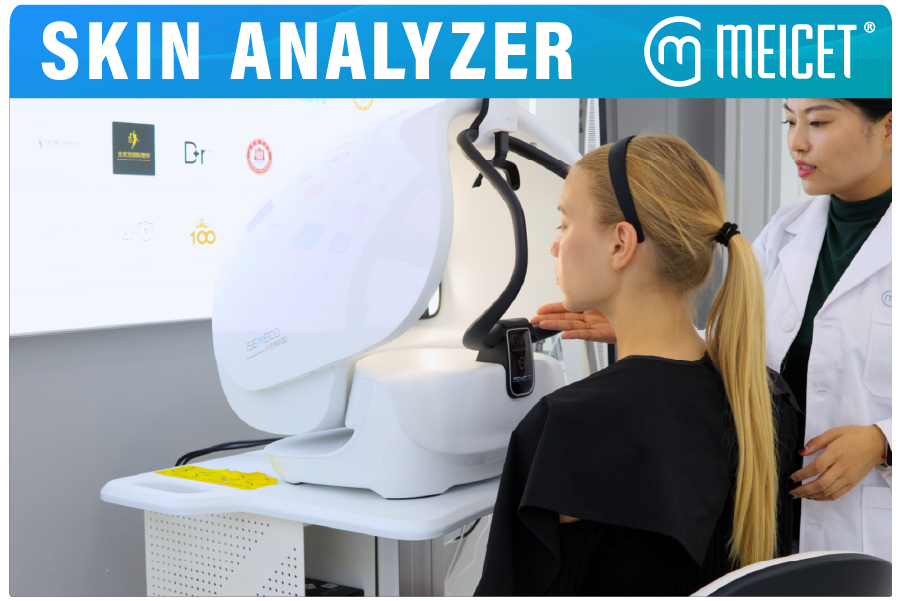
A scientific skincare plan starts with understanding your skin’s unique features. A Skin Analyzer uses advanced technology to measure hydration, pigmentation, and sensitivity. Studies show that personalized routines based on detailed analysis can boost satisfaction by 25% and reveal visible improvements within two months. Smart choices begin with real data.
Key Takeaways
- A Skin Analyzer provides detailed insights into your skin’s hydration, oiliness, and pigmentation. Use it to understand your unique skin needs.
- Cleansing your skin before analysis is crucial. It ensures accurate results by removing makeup and impurities that can affect measurements.
- Regularly monitor your skin with a Skin Analyzer every few months. This helps track changes and adjust your skincare routine for optimal results.
Understanding the Skin Analyzer
What Is a Skin Analyzer?
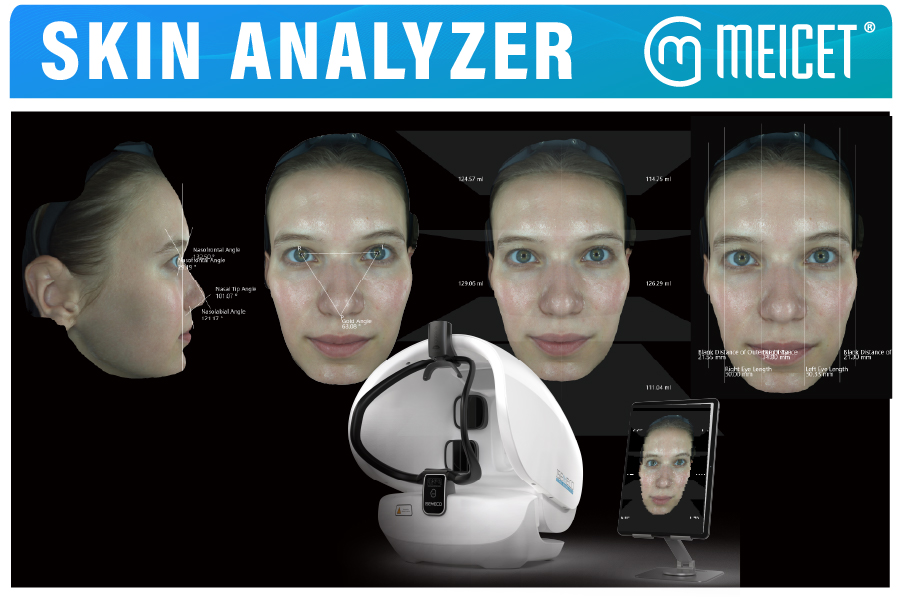
A Skin Analyzer is a device that examines the skin using advanced technology. It helps people understand their skin’s condition by measuring factors like hydration, oiliness, and pigmentation. There are several types of skin analyzers, each with unique features:
| Type | Features |
|---|---|
| Handheld | Portable, uses sensors to measure hydration, oiliness, and pigmentation levels. |
| Professional-grade | Used in clinics, performs in-depth analyses like UV damage assessment and elasticity. |
| App-connected | Syncs with smartphones, tracks skin changes over time, and offers personalized regimens. |
Key Features and Metrics
Skin analyzers use different technologies to assess skin health. They can:
- Measure hydration, oil levels, and pigmentation with high precision.
- Use spectrophotometry, hydration measurement, and UV detection to evaluate skin conditions.
- Provide detailed information about skin type, bacteria levels, and acne risk.
AI-driven analyzers can reach up to 90% accuracy in identifying hyperpigmentation. They also detect redness, fine lines, wrinkles, and pore size with advanced imaging.
Benefits of AI-Driven Analysis
AI-powered skin analyzers offer several advantages over traditional methods:
| Advantage | Description |
|---|---|
| Objective insight | AI provides data-driven insights, reducing subjectivity in skin analysis. |
| Consistency in tracking | AI ensures uniformity in monitoring skin conditions over time. |
| Better product matching | AI can recommend products tailored to individual skin needs more accurately. |
| Predictive aging markers | AI identifies potential aging signs before they become visible. |
| Early detection of concerns | AI can spot issues at an early stage, allowing for timely intervention. |
Modern AI models analyze thousands of data points and adapt recommendations as your skin changes. This approach leads to more reliable and personalized skincare routines.
Skin Analyzer Routine Steps
Preparing Your Skin for Analysis
Proper preparation is the foundation for accurate results. Cleansing the skin before using a Skin Analyzer is essential. This step removes makeup and impurities, which can interfere with the device’s ability to measure your skin’s true condition. Clean skin allows for a more precise evaluation of pores, pigmentation, and other concerns. This approach follows clinical standards and increases the reliability of the results.
Why cleanse before analysis?
- Removes makeup and impurities.
- Allows for a more accurate evaluation of skin issues like pores and pigmentation.
- Follows clinical methods, making results more trustworthy.
The following table outlines the recommended steps for preparing your skin:
| Step | Description |
|---|---|
| Cleansing | Use a gentle facial cleanser to remove makeup and dirt. |
| Comfortable Environment | Choose a comfortable setting for testing. |
| Appropriate Lighting | Make sure the lighting is suitable for accurate analysis. |
Tip: Avoid over-cleansing or exfoliating before your session. These actions can damage the skin barrier and affect the results.
Using the Skin Analyzer
Using the Skin Analyzer involves several important steps. Start with a clean face, free from all skincare products. Do not use active ingredients for 24-48 hours before your session. Bring your current skincare products or photos for review. Share your skin goals with the professional conducting the analysis. Avoid sun exposure to keep your natural skin color. Be honest about your medical history and lifestyle. Write down any questions you want to ask.
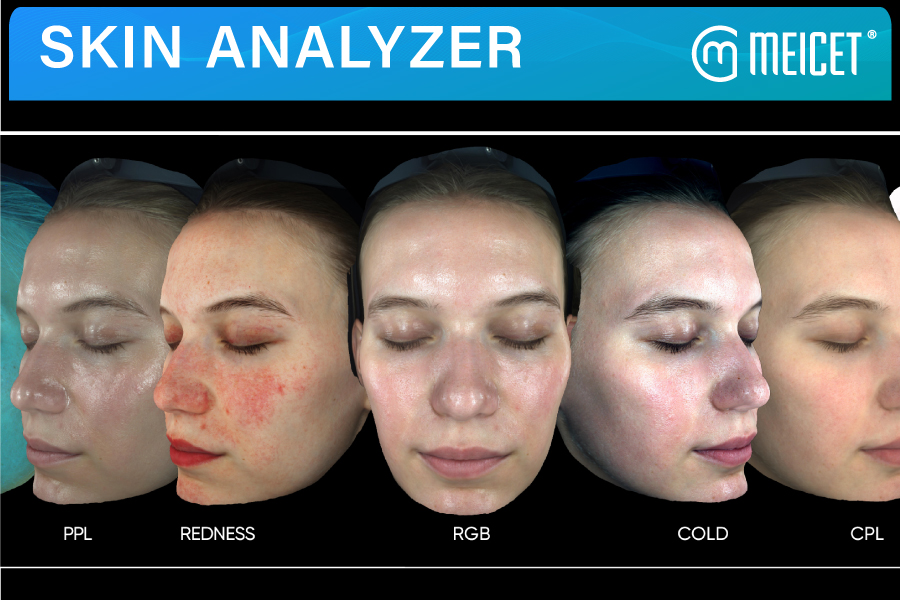
Proper alignment of your face in front of the imaging system is crucial. The device captures images using different lighting modes. This process reveals various aspects of your skin, such as hydration, pigmentation, and wrinkles. The software then processes these images and generates a report.
A typical session follows a structured process: position your face, take images under different lights, process the results, and review the report with a professional.
Common mistakes to avoid:
- Over-cleansing or over-exfoliating before analysis.
- Using too many skincare products, which can clog pores and cause breakouts.
Interpreting Results and Skin Types
Interpreting the data from a Skin Analyzer helps you understand your skin type and concerns. Many people guess their skin type incorrectly, which can lead to using the wrong products. A professional analysis provides accurate information and reveals underlying issues.
Key points to remember:
- Professional analysis is crucial for determining skin type and addressing concerns.
- Skin analysis can uncover hidden problems and guide your skincare choices.
The table below lists common skin types and their descriptions:
| Skin Type | Description |
|---|---|
| Oily | Produces excess oil, appears shiny, may develop acne. |
| Dry | Lacks moisture, feels tight or rough, may show flakiness. |
| Normal | Balanced, not too oily or dry, usually smooth. |
| Combination | Oily in some areas (like the T-zone), dry in others. |
| Sensitive | Prone to redness and irritation, reacts to products or environment. |
Sensitive skin often shows redness and irritation. Eczema is another common concern, affecting millions of people with red, itchy rashes.
Customizing Your Skincare Plan
The results from the Skin Analyzer allow you to create a personalized skincare plan. The device provides insights into hydration, pigmentation, and signs of aging. Understanding your unique needs helps you choose the right products and treatments.
- Skin analysis reveals hydration levels, pigmentation, and aging signs.
- Knowing your skin’s needs helps you select suitable products.
- A personalized approach improves overall skin health and appearance.
- The device assesses factors like texture and oil production.
- Tailored insights address specific concerns effectively.
- Identifying your skin type and conditions leads to a customized plan.
- Professionals can recommend targeted products and treatments.
- This approach maximizes the effectiveness of your routine.
A personalized plan removes guesswork and ensures you use products that match your skin’s needs.
Monitoring and Adjusting Your Routine
Regular monitoring is important for long-term skin health. Use the Skin Analyzer every few months to track changes. This ongoing assessment shows improvements in moisture, wrinkles, and redness. It also helps you adjust your routine as your skin changes with the seasons or lifestyle.
Regular check-ins can reveal new concerns that may require changes to your regimen. Treatments that worked before may need to be updated based on new analysis. Addressing issues early keeps your skincare journey effective.
The table below highlights how regular assessments contribute to healthy skin:
| Contribution to Skin Health | Description |
|---|---|
| Personalized Insights | Guides routines tailored to your unique concerns. |
| Tracking Changes | Monitors skin over time for better product choices. |
| Long-term Health Outcomes | Leads to healthier skin through continuous adaptation. |
Tip: Calibrate your device regularly and follow consistent measurement techniques for the most accurate results.
By following these steps, you can develop a scientific, personalized skincare plan that adapts as your skin evolves.
A scientific skincare plan starts with accurate analysis. Skin analyzers help create personalized routines by measuring real skin data. This approach leads to targeted action plans and better results.
| Benefit | Description |
|---|---|
| Increased Confidence | People feel happier and more comfortable in social life. |
| Personalized Treatment Plans | Routines match each person’s unique skin needs. |
FAQ
How often should I use a skin analyzer?
Most experts recommend using a skin analyzer every two to three months. This helps track changes and adjust your skincare plan as needed.
Can I use a skin analyzer at home?
Yes, many devices are designed for home use. Always follow the instructions for the best results.
What information does a skin analyzer provide?
| Metric | What It Shows |
|---|---|
| Hydration | Skin moisture levels |
| Pigmentation | Dark spots or redness |
| Oil Levels | Amount of skin oil |
Post time: Apr-21-2026


