



Quick Answer
AI is transforming 3D skin analysis from a static imaging tool into a predictive, personalized diagnostic platform by enabling automated multi-dimensional assessment, treatment outcome simulation, and data-driven product recommendation. Modern AI-powered systems like the MEICET 3D SKIN ANALYZER use deep learning algorithms trained on millions of real-world skin cases to analyze 12+ skin parameters, predict aging trajectories over 5–7 years, and generate personalized skincare protocols in under 30 seconds. Clinical validation research demonstrates that AI-assisted dermatological assessment achieves 80.9% pooled sensitivity and 75.6% specificity, comparable to or exceeding unassisted dermatologist performance (78.6% sensitivity, 75.3% specificity). For aesthetic clinics and skincare professionals, this translates to faster consultations, objective treatment planning, and measurable improvement in client conversion rates.
Key Takeaways
AI achieves clinical-grade accuracy: Pooled sensitivity of 80.9% and specificity of 75.6% for AI systems.
Multi-spectral imaging enables deeper analysis: Systems capture RGB, UV, and Wood’s light across 5 modes.
Predictive modeling shifts skincare from reactive to proactive: Simulate aging trajectories 5–7 years ahead.
Personalization at scale: Generate customized protocols in 30 seconds based on 5 million cases.
From Subjective Assessment to Objective AI-Driven Diagnosis
AI converts 3D skin analysis from a qualitative imaging exercise into a quantitative, reproducible diagnostic process. Traditional skin consultations rely on visual assessment—a clinician observes the skin, makes judgments based on experience, and recommends treatments. This approach introduces variability: two practitioners examining the same client may identify different concerns, prioritize different treatments, and recommend different products. Research from the Society of Cosmetic Chemists confirms that skin assessment has evolved from clinical grading to quantitative image analysis and AI-driven simulation, enabling objective metrics for precise, reproducible comparisons.
The technical foundation of this shift is multi-spectral imaging combined with deep learning. MEICET’s 3D SKIN ANALYZER captures 16 sets of 360° cross-polarized light data across five spectral modes—RGB, cross-polarized, parallel-polarized, UV, and Wood’s light—to capture both surface and subsurface skin information. This multi-modal data feeds into deep learning algorithms that identify and quantify 12 key skin issues, including wrinkles, pigmentation, pores, sensitivity, and acne.
The clinical validation of AI in dermatological assessment provides a benchmark for what these systems can achieve. A 2026 meta-analysis published in JAMA Dermatology found that AI systems achieved 80.9% pooled sensitivity, 75.6% specificity, and 73.3% accuracy, compared to dermatologists’ 78.6% sensitivity, 75.3% specificity, and 75.3% accuracy. The single study evaluating AI-assisted dermatologist performance found sensitivity improved to 91.9% and specificity to 83.7%, demonstrating that AI works best as a decision support tool rather than a replacement for clinical judgment.
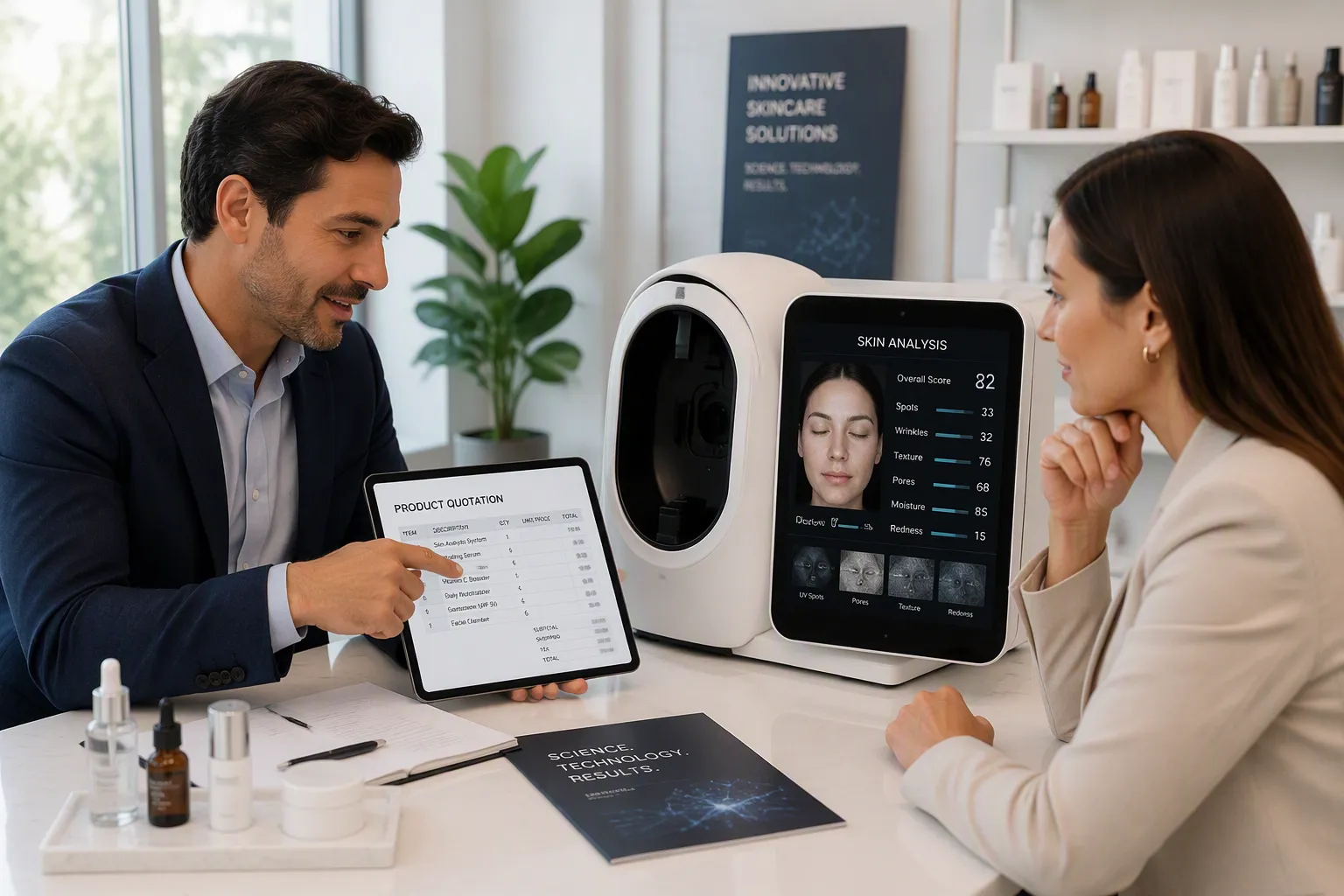
Table 1: AI-Enhanced Skin Analysis — Before and After Comparison
| Capability | Traditional Skin Analysis | AI-Powered 3D Skin Analysis |
|---|---|---|
| Data Capture | Single 2D photograph; visual observation | 15+ HD images across 5 spectral modes |
| Analysis Depth | Surface-level assessment | Surface + subsurface analysis (hidden damage) |
| Assessment Consistency | Variable between practitioners | Standardized AI algorithms |
| Diagnostic Speed | 10–20 minutes | 30 seconds |
| Personalization | Based on practitioner experience | Data-driven from millions of cases |
| Predictive Capability | None | Aging trajectory simulation (5–7 years) |
The Role of Large-Scale Skin Databases in Training AI Models
The accuracy and reliability of AI skin analysis depend fundamentally on the scale and diversity of the training data. MEICET has accumulated a database of over 5 million real-world skin cases during 14 years of operation, providing the training foundation for its AI skin analysis model. This database enables the model to recognize skin conditions across diverse demographics, skin types, and environmental conditions—a critical requirement for global distribution.
Training methodology matters as much as data volume. MEICET’s AI model was built on the DeepSeek foundation model, then specialized through multi-modal skin image data collection, pre-training, fine-tuning, and reinforcement learning. Crucially, skin medical professionals participated in the training process, providing high-quality annotated data and validating AI assessment results against clinical standards.
Efficiency Note: The practical output of this training is a system that can identify a client’s top 3 skin concerns with priority ranking and generate protocols in under 30 seconds.
Table 2: MEICET 3D Skin Analyzer — AI-Powered Capabilities
| Feature | Technical Specification | User Benefit |
|---|---|---|
| Spectral Modes | 5 modes (RGB, UV, Wood’s, etc.) | Reveals surface and subsurface conditions |
| AI Assessment | 12 skin parameters analyzed | Complete health profile in one session |
| Predictive | 5–7 year aging simulation | Enables preventive treatment planning |
| Database | 5+ million skin cases | High accuracy across diverse skin types |
Predictive Analytics: Shifting from Reactive to Proactive Skincare
AI’s most significant contribution to personalized skincare is the shift from reactive treatment to proactive prediction. Traditional skin analysis identifies current conditions—pigmentation that exists today, wrinkles that have formed, pores that are visible. AI-powered analysis can simulate future trajectories, showing clients how their skin will evolve if no intervention occurs.
MEICET’s system predicts 5–7 year aging trajectories based on current skin data, enabling clients to visualize the long-term consequences of different treatment choices. This predictive capability transforms the consultation dynamic: instead of selling treatments for existing concerns, clinicians can demonstrate the value of preventive intervention.
Market Context and Industry Adoption
The skin analysis systems market is expanding rapidly, with AI-driven personalization identified as a primary growth driver. Market research identifies growing demand for personalized skincare and increased use in aesthetic clinics as key trends shaping the market.
- Medical spas use AI to improve consultation quality and acceptance.
- Dermatology practices integrate AI for objective documentation.
- Skincare brands deploy tools for product engagement.
- Clinical research uses AI-driven metrics for objective measurement.
Frequently Asked Questions
How accurate is AI skin analysis compared to dermatologist assessment?
Clinical research demonstrates that AI systems achieve 80.9% pooled sensitivity and 75.6% specificity, statistically comparable to dermatologist performance. AI-assisted assessment achieves even higher accuracy (91.9% sensitivity).
What types of skin conditions can AI-powered 3D analysis detect?
MEICET’s system analyzes 12 key parameters including wrinkles, pigmentation, pores, sensitivity, and acne. It also reveals subsurface conditions like hidden sun damage.
How does AI personalize skincare recommendations?
By analyzing data against 5 million cases, identifying top 3 priority concerns, and matching them to treatments in 30 seconds.
Does AI skin analysis require extensive training to use?
No, these systems are designed to lower the barrier, enabling new consultants to perform expert-level analysis automatically.
How can clinics measure the ROI of implementing AI skin analysis?
Through improved conversion rates, increased treatment acceptance, and higher client retention via documented progress tracking.
Post time: Oct-13-2026


