


The Body Composition Analyzer delivers impressive accuracy, with body fat readings typically within 3-5%. Most users can trust these results for tracking progress.
- Body fat percentage stands out as the most reliable metric.
- Muscle mass helps reveal lean tissue changes.
- Body water percentage supports interpreting other measurements.
What It Measures
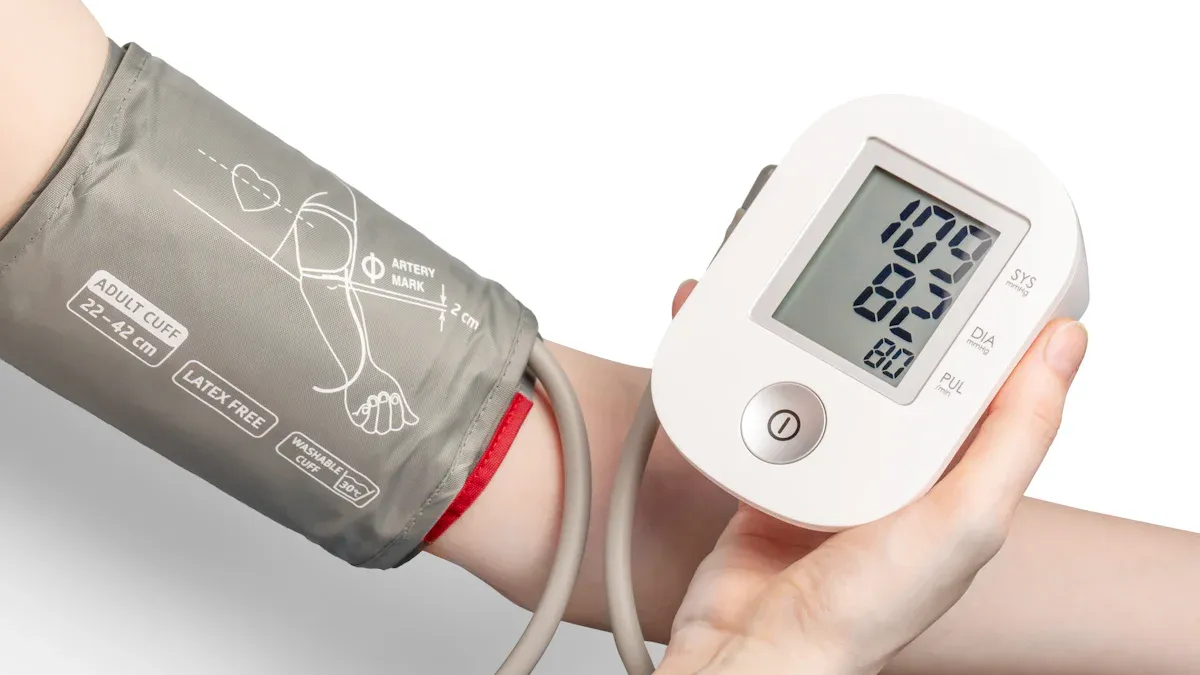
Main Elements Analyzed
A Body Composition Analyzer gives you a clear picture of your health. It does more than just show your weight. It measures several important elements in your body:
- Body fat percentage
- Muscle mass
- Water content
- Bone mass
- Basal metabolic rate (BMR)
Each of these numbers tells a different story about your body. For example, body fat percentage helps you understand how much fat you carry. Muscle mass shows how much lean tissue you have. Water content reveals your hydration status. Bone mass and BMR add extra details about your overall health.
Tip: Tracking these elements helps you see real progress, not just changes on the scale.
Accuracy Varies by Metric
Not all measurements are equally precise. The Body Composition Analyzer uses advanced technology to estimate each metric. Home-use devices, especially those with bioelectrical impedance analysis (BIA), usually show body fat readings within 3-8% of professional devices. Muscle mass and water content can also vary, depending on your hydration and how you use the device.
- Body fat percentage is often the most reliable number.
- Muscle mass and water content may shift if you are dehydrated or just exercised.
- Environmental factors, like standing on a stable surface, can improve accuracy.
Even with these variations, the Body Composition Analyzer remains a powerful tool for tracking trends. You can trust it to show changes over time, which is what matters most for your health journey.
Body Composition Analyzer Accuracy
Body Fat Percentage
The Body Composition Analyzer delivers body fat percentage readings with impressive accuracy. Most users can expect results within 3-5% of gold-standard methods. This level of precision makes it a trusted tool for tracking changes in body fat over time. Recent studies show a strong correlation between bioelectrical impedance analysis (BIA) and DEXA scans, which are considered the gold standard in body composition measurement.
| Study | Findings |
|---|---|
| Potter et al. (U.S. Marine Corps) | BIA system showed similar results to DXA with a +3% body fat correction; needs further validation in diverse populations. |
| Ling et al. (2011) & Miller et al. (2016) | 94% correlation with DEXA for body fat rate; high reliability in repeated BIA measurements. |
| Wootton et al. (2014) | Indicates a need for standardized measurement methods; current accuracy is acceptable for general public use. |
Note: The Body Composition Analyzer provides reliable body fat readings for most people, making it a valuable tool for monitoring progress.
Muscle Mass
Muscle mass measurement is another key feature of the Body Composition Analyzer. While DEXA scans offer the highest accuracy (1-2% margin), the Body Composition Analyzer typically provides muscle mass estimates within a 3-5% margin. This level of accuracy is suitable for tracking muscle changes, especially when you use the device consistently.
| Method | Accuracy Margin |
|---|---|
| DEXA | 1 to 2% |
| InBody | 3 to 5% |
Several factors can influence muscle mass readings. Hydration, recent meals, and physical activity may cause small fluctuations. Accurate baseline measurements are important for tracking subtle changes in muscle mass. The Body Composition Analyzer remains a practical choice for everyday use.
Tip: For best results, measure at the same time of day and under similar conditions.
Water Content
The Body Composition Analyzer estimates your body water percentage, which helps you understand hydration status. While this metric is useful, it can be influenced by many factors. Changes in hydration, recent exercise, and even the temperature of the room can affect results. The device uses resistance measurements, which may vary due to both internal and external conditions.
- The human body contains more than just fat, muscle, and water. Variations in organ tissues, minerals, and air spaces can impact readings.
- Resistance measurements may change with temperature, air pressure, or illness.
- Water content results are indirectly related to body composition and depend on certain assumptions.
Despite these variables, the Body Composition Analyzer offers a convenient way to monitor hydration trends over time.
Other Metrics (Bone, Metabolic Rate)
The Body Composition Analyzer also provides estimates for bone mass and basal metabolic rate (BMR). These numbers add extra insight into your overall health. While bone mass and BMR readings are based on established formulas and population averages, they are best used as reference points rather than exact values.
| Measure | BIA Result (kg) | DXA Result (kg) | Difference (kg) | Significance |
|---|---|---|---|---|
| Fat Mass (FM) | 23.77 | 25.61 | -1.84 | p < 0.01 |
| Fat Free Mass (FFM) | 52.49 | 49.93 | +2.56 | p < 0.01 |
The Body Composition Analyzer gives you a comprehensive view of your health. Use these metrics to track trends and make informed decisions about your fitness journey.
Factors That Affect Results
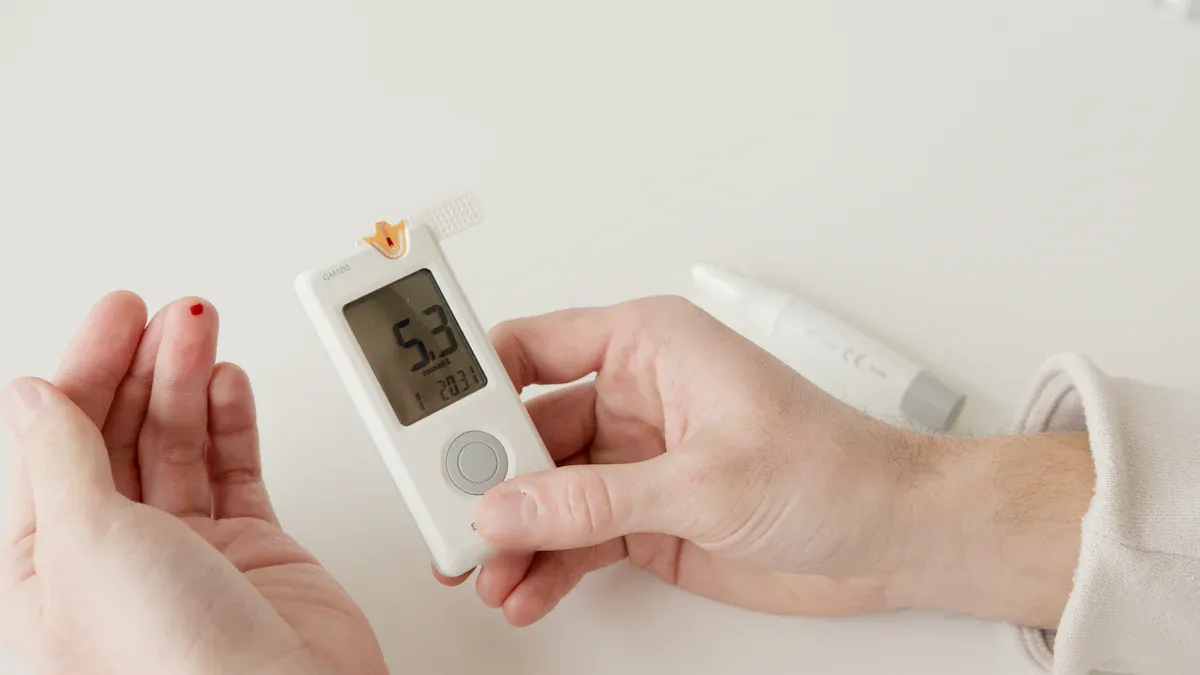
User Factors (Hydration, Activity, Food)
Your body’s condition can change the results you see. Hydration, physical activity, and food intake all play a role. Staying hydrated helps your readings stay consistent. Exercise can boost hydration measures and tissue health, especially in men. Age can lower hydration and tissue health for everyone.
| User Factor | Association with Results | Significance Level |
|---|---|---|
| Physical Activity | Improves hydration and tissue health | p < 0.05 (men) |
| Age | Lowers hydration and tissue health | p < 0.05 (both sexes) |
| Sex | Men show stronger link between activity and hydration | N/A |
Food and drink before testing can also affect your numbers:
- Eating or drinking before measurement can change total body water and extracellular water.
- Drinking up to 2 liters of fluid may not affect results right away.
- Fasting for 3 or 12 hours shows little difference in body fat readings.
- Dehydration can make fat-free mass look lower by about 5 kg.
- Eating a heavy meal can raise impedance, changing your results.
- Eating 2–4 hours before testing can make fat-free mass seem higher by 1.5 kg.
- Standard meals can cause body fat readings to change by up to 9.9%.
Device Factors (Calibration, Placement, Technology)
How you use the device matters just as much as your body’s condition. Consistent electrode placement is key. Always use the same side of your body for measurements. Calibration keeps your device accurate. Regular calibration, at least once a year, is best. After repairs or big projects, recalibrate to ensure precision.
| Procedure Type | Details |
|---|---|
| Calibration Interval | Every 1 year recommended |
| Maintenance Services | Cleaning, preventative care, and part replacements |
| Post-Repair Calibration | Always recalibrate after repairs |
- Use the Body Composition Analyzer at the same time each day, ideally in the morning.
- Keep the room temperature steady, between 22–25°C.
- Rest for 5–10 minutes before testing.
- Clean your skin and avoid lotions at electrode sites.
Maintaining a consistent room temperature during the measurement is crucial, as dramatic changes in ambient temperature can influence the scale’s performance and the body’s hydration levels.
Following these steps helps you get the most reliable results every time.
Getting the Most Accurate Results
Best User Practices
Unlock the full potential of your Body Elements Analyzer by following proven best practices. These steps help you achieve the most reliable and consistent measurements:
- Empty your bladder before stepping on the scale.
- Avoid beverages for 24 hours before measurement.
- Measure before eating for accurate readings.
- Use a hard, flat surface for the scale.
- Keep your feet clean and slightly damp for better contact.
- Maintain a consistent room temperature during measurements.
Consistency is key. When you follow these steps, you reduce the impact of daily fluctuations and get results you can trust.
When to Measure
Timing matters. The best results come from measuring at the same time each day, ideally in the morning. Morning readings are less affected by food, activity, or hydration changes. Avoid measuring right after exercise or meals, as these can skew your numbers.
- Conduct measurements at the same time of day.
- Maintain the same training status, such as before or after a workout.
- Ensure consistent food intake and hydration levels.
Tracking your progress over weeks and months reveals real changes. Single readings can shift due to sleep, hydration, or timing. Focus on trends, not just one number.
The true value of your Body Elements Analyzer lies in observing patterns over time. This approach helps you understand how your lifestyle impacts your body, making it easier to reach your health goals.
The Body Elements Analyzer delivers reliable results, with body fat and muscle mass readings typically within 3–5%. Users can trust these numbers for tracking progress. For best insights, focus on trends over time. Key research findings highlight the value of different metrics:
| Metric Type | Key Findings |
|---|---|
| VAT & EAT | Predict cardiovascular risk better than BMI |
| EAT Volume | Higher values link to increased health risks |
- Choose the right method for your needs.
- Track changes, not just single results.
- Combine regular use with healthy habits for the best outcomes.
FAQ
How often should I use the Body Elements Analyzer?
You should measure once a week. Consistent tracking helps you see real progress and motivates you to reach your health goals.
Can I trust the results if I just exercised?
No. Wait at least two hours after exercise. This ensures your readings reflect your true body composition, not temporary changes.
Is the Body Elements Analyzer suitable for all ages?
Yes. Anyone can use it. The device provides valuable insights for teens, adults, and seniors who want to improve their health.
Post time: Feb-10-2026


