


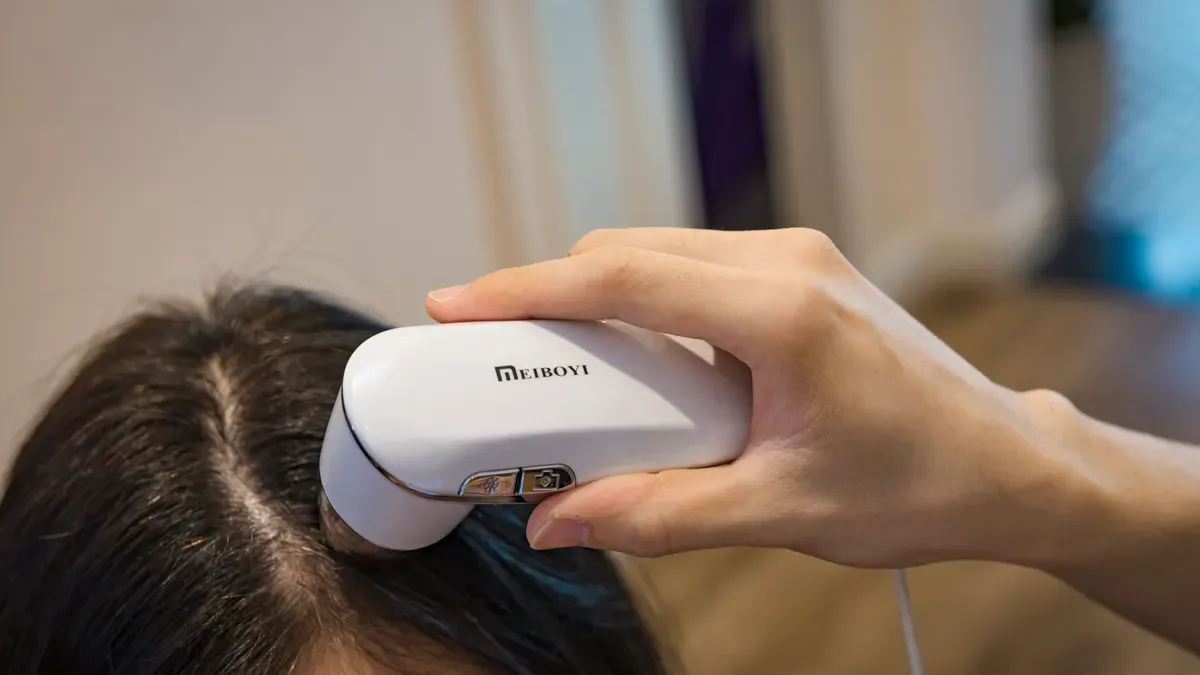
I test every portable unit for safety and comfort in personal daily care. A handheld hair scalp analyzer provides non-invasive imaging directly on your skin. Daily full-head scans remain unnecessary, unless you actively track short-term medical treatments. Compact devices add great convenience to your hair care routine. Gentle contact prevents unnecessary irritation on your delicate scalp.
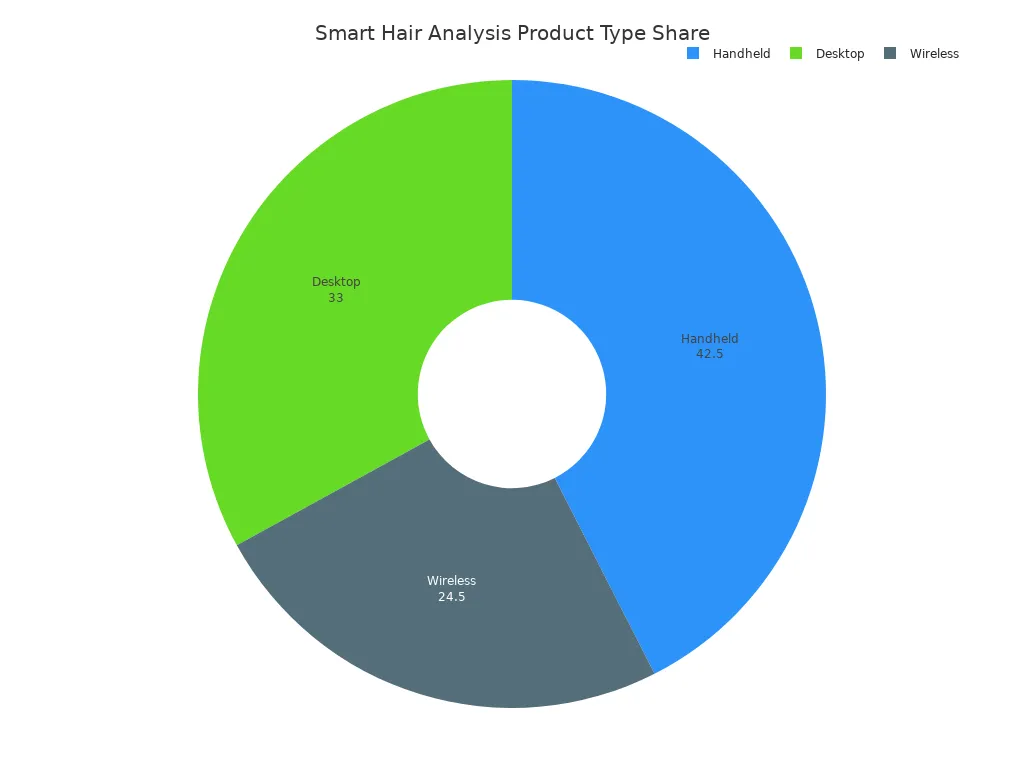
Tip: Regular optical sanitation protects your scalp during every scan.
I perform a detailed scalp analysis to monitor health trends over time. Many consumers now buy a dedicated scalp analysis machine for home use. Always sanitize your scalp analysis machine before optical contact to ensure accurate results.
Key Takeaways
●Sanitize the lens with 70% alcohol before each scan to prevent bacteria spread.
●Lift the device between spots instead of dragging it to avoid skin irritation.
●Scan your head once every two weeks because daily checks show no major changes.
●Store your analyzer in a dry case and charge it with the original cable.
Essential Safety Tips for Daily Hair Scalp Analyzer Use
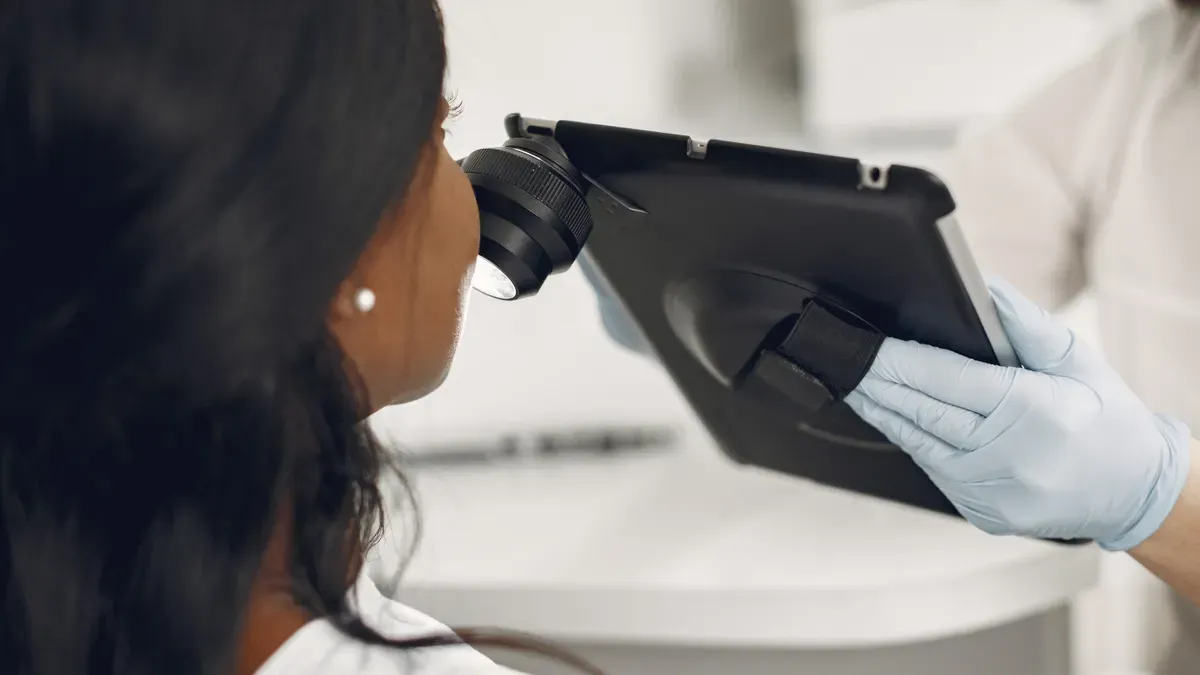
Using a hair scalp analyzer daily requires direct physical contact with your skin. I always follow precise safety protocols during every examination. Proper device handling protects your skin barrier and keeps the optical lens completely clear.
Sanitizing the Optical Sensor
Cleanliness forms the foundation of safe equipment operation. I sanitize the high-definition lens before and after every single scan. Sebum, sweat, and leftover styling products transfer onto the lens glass quickly. This build-up degrades clarity and fosters microbial growth.
Important Cleaning Note: Wipe the glass lens gently using a micro-fiber cloth lightly dampened with 70% isopropyl alcohol. Never submerge the device in liquid.
Modern scalp analysis machines use advanced optics to highlight microscopic details. Protect your scalp from bacteria by maintaining high hygiene standards. Wipe the machine body thoroughly to remove oily fingerprints. I always sanitize your scalp analysis machine before starting a scan. Clean equipment prevents cross-contamination across different surface locations.
| Sanitization Step | Action Required | Frequency |
|---|---|---|
| Pre-Scan Wipe | Clean lens with microfiber cloth | Before every session |
| Post-Scan Disinfection | Apply 70% alcohol solution | Immediately after use |
| Surface Cleaning | Wipe the machine body clean | Daily routine |
Light Exposure and Eye Protection
Specialized light sources power accurate hair follicle imaging. Many scalp analysis machines feature high-magnification lenses paired with bright LED systems and soft UV spectrum lights. These optical features deliver accurate clear images under polarized lighting.
I reassure users regarding the safety of these light sources. Compact portable devices bring professional observation directly into your home safely. However, direct light exposure requires reasonable care. Follow these quick safety steps during operation:
●Avoid directing the optical sensor toward your eyes or another person’s eyes.
●Keep the lit probe active on one spot for short periods only.
●Turn off the machine light immediately after completing your scan session.
Prolonged static placement on sensitive scalp areas causes uncomfortable localized warmth. Move the light probe smoothly across targeted areas. This approach helps assess your scalp condition without exposing one spot to excessive light energy.
Gentle Contact to Prevent Skin Friction
Proper physical technique prevents mechanical surface irritation. I often teach clients how to use a scalp analysis machine safely. Aggressive pressing or rough sliding damages delicate tissue around active hair follicles.
First, identify your target area on the skin. Hold the machine steadily at a perpendicular angle to the surface. Apply light pressure until the camera focuses clearly on the skin surface. High-grade optical illumination features enhance image quality without forcing heavy physical contact.
Correct Contact Technique:
[Position Sensor] -> [Touch Lightly] -> [Capture Image] -> [Lift Directly Up]
Do not drag the lens aggressively across dry hair strands. Dragging creates friction, pulls delicate strands, and aggravates sensitive scalp regions. Lift the lens completely off the skin surface before moving to the next spot. This simple lifting technique protects hair shafts and maintains scalp comfort. Gentle handling lets you evaluate hair strand thickness comfortably.
Careful positioning helps examine scalp moisture balance effectively. I adjust your scalp analysis machine settings to get consistent results every time. Steady hands and smooth movements protect hair structure during continuous monitoring. You can easily track hair health trends without irritating active growth zones.
Professional scalp analysis machines offer clear visual evidence for long-term health tracking. Clean your scalp analysis machine after every use to maintain precise image analysis performance. Store the machine safely in a dry protective case. These easy daily habits ensure safe routine scalp analysis, preserve equipment functionality, and verify your visual results with total accuracy.
Optimal Frequency for Daily Scalp Analysis
Why Daily Scanning Is Often Redundant
I often observe users scanning their heads every single morning. People expect instant visual transformation after applying a single treatment session. However, human biological growth cycles move slowly over several weeks. Your cellular structure requires actual time to show measurable physiological changes.
Daily scanning creates unnecessary anxiety for most individuals. Microscopic images fluctuate constantly due to temporary environmental variables. Sweat patterns, atmospheric humidity, and local room lighting alter daily visual feeds. These minor environmental changes do not reflect true shifts in your scalp health.
Key Insight: Scalp tissue takes roughly 28 days to complete a full cell turnover cycle. Scanning every day captures temporary surface noise rather than genuine biological progress.
I recommend using a scalp analysis machine to track real long-term trends instead. Over-scanning wastes valuable time without offering fresh anatomical data. Most topical serums demand at least four weeks of consistent application to alter oil production or follicle strength. Frequent visual scans during short windows only generate confusion. You might misinterpret temporary sebum shifts as permanent treatment failures.
Monitoring Treatments on the Scalp
Certain medical situations do justify short-term daily monitoring protocols. I supervise clients through intensive therapeutic treatments regularly. For instance, post-operative hair transplant recovery requires close temporary observation. Early surgical healing stages demand constant checking to catch sudden inflammation or localized infection early.
Targeted clinical trials also require frequent diagnostic checks. I track rapid microbial changes on the skin during intensive anti-fungal therapies. Specialized scalp analysis machines track precise follicle responses during these short clinical phases.
●Hair Transplant Recovery: Track graft stability during the first two post-op weeks.
●Intensive Anti-Dandruff Therapies: Measure localized flaking reduction across seven consecutive days.
●Chemical Exposure Tracking: Observe skin barrier recovery immediately after aggressive bleaching or dyeing procedures.
A portable scalp analysis machine yields precise pictures during critical medical windows. High-magnification optics reveal microscopic inflammation before visible symptoms surface on your skin. These diagnostic tools gather accurate insights regarding fast-acting medical products. You can safely stop daily imaging sessions once your acute healing phase finishes.
Setting a Balanced Weekly Routine
I guide clients toward sustainable monitoring schedules for long-term care. A balanced weekly plan yields meaningful diagnostic data without creating unnecessary stress. Most individuals achieve excellent results by scanning their head once every two weeks.
Ideal Schedule: [Bi-Weekly Scan] -> [Review Trends] -> [Adjust Care] -> [14-Day Gap]
This bi-weekly routine integrates smoothly into your established hair care routine. Regular check-ins deliver clear visual evidence to guide your personalized care choices effectively. You can track real physiological shifts accurately over a realistic biological timeframe.
| Schedule Type | Frequency | Primary Target |
|---|---|---|
| Intensive Clinical | 1-2 times daily | Short-term medical therapy or post-surgery recovery |
| Standard Maintenance | Once every 2 weeks | General oil monitoring and follicle density checks |
| Seasonal Review | Once per month | Seasonal hair loss and environmental impact tracking |
Modern scalp analysis machines evaluate skin hydration levels accurately over extended periods. I review scan histories to update customised recommendations for active serums. These clear visual records eliminate guessing games from your regular grooming routine.
Advanced digital scalp analysis machines calculate follicle density improvements automatically. Diagnostic imaging software converts raw camera data into a clear personal scalp assessment. I rely on a reliable hair scalp analysis machine to deliver personalized recommendations based on stable historical records. Consistent bi-weekly usage gives you trustworthy health results without overworking your delicate skin.
Safe Integration and Device Maintenance
Preparing Your Scalp Before Each Scan
I always prepare my head thoroughly before initiating a test. I ensure my hair and skin stay completely dry. Heavy product buildup alters images and obscures key anatomical features. I wash my hair hours prior to testing. Portable devices struggle to scan through thick gel coatings. A clean scalp surface gives clearer picture data during examination.
Avoiding Application on Broken Skin
I never place a hair scalp analyzer over broken or bleeding tissue. Open sores, severe sunburns, and raw rashes require complete healing first. Pressing an optical probe onto open wounds causes discomfort. Bacteria can move from the probe into open tissue. I wait until my scalp heals fully to run a formal scalp analysis. This safe practice provides accurate insights while shielding my skin from infection. I always check my scalp carefully before applying any probe.
Upkeep for Scalp Analysis Machines
Proper maintenance keeps your hardware performing reliably. Modern scalp analysis machines require precise storage and careful handling. I store high-precision scalp analysis machines away from direct sunlight between 15°C and 35°C. I always cover the glass lens with a protective cap after finishing a scan. Regular care protects these scalp analysis machines against dust. To avoid battery overheating, I exclusively charge my scalp analysis machine using the original charger provided by the manufacturer. I power off the machine after every session.
Pro Tip: Keep your optical glass lens clean by gently wiping the sensor with the soft dry cloth supplied by the manufacturer.
Advanced scalp analysis machines support automated calibration procedures to ensure true optical precision. Some devices utilize fresh pH 4 and pH 7 buffer sachets to verify internal sensor accuracy. I store delicate glass electrodes in a specialized storage solution to prevent organic contamination. I also inspect my scalp analysis machine regularly for physical surface damage. You can contact authorized service centers whenever your scalp analysis machine needs professional recalibration. Proper care extends equipment lifespan and delivers consistent visual results. Modern scalp analysis machines offer incredible optical features for routine digital tracking. I clean my scalp analysis machine after every use to maintain precise data analysis. I rely on my scalp analysis machine to maintain image analysis performance for accurate testing results. My portable unit works smoothly with regular care.
I recommend using a portable hair scalp analyzer for safe personal health tracking. Proper sensor hygiene protects your sensitive skin during every session. Align your optical analysis schedule with actual treatment timelines to track true biological progress.
Final Advice: Clean equipment and steady habits deliver reliable data for your hair and scalp care goals.
I encourage you to establish a clean monitoring plan today. Sanitizing your scalp analysis machine after every use keeps your skin completely safe. Careful upkeep shields your device and extends equipment performance over time. A reliable scalp analysis machine transforms basic visual observation into an effective tracking system. Elevate your hair care routine with these easy safety habits.
FAQ
How often should I track head health at home?
I recommend running a scalp analysis once every two weeks. You do not need daily scanning unless your doctor tracks acute skin healing. Excessive checking creates unnecessary worry and provides redundant data.
Is a handheld hair scalp analyzer safe for sensitive skin?
Safety Note: Yes, a compact unit uses non-invasive LED light features for direct skin observation.
I always sanitize the optical lens before contact. You must apply gentle pressure without dragging the probe across sensitive skin.
How do I maintain my scalp analysis machine for accurate results?
I clean my scalp analysis machine using a 70% alcohol wipe after every scan session. Store your unit in a cool place. Regular sanitization protects key device features and ensures you get reliable results every time.
Can multiple people share one scalp analysis machine safely?
Yes, family members can share one scalp analysis machine safely. I disinfect the probe tip before switching users. Proper sanitization prevents cross-contamination. Follow basic hygienic guidelines whenever you teach a family member how to use a scalp analysis machine.
Why do professionals prefer modern scalp analysis machines?
●Professional scalp analysis machines offer clear optical magnification.
●Modern scalp analysis machines capture precise follicle density.
●Advanced scalp analysis machines generate fast hair reports.
I rely on these devices to deliver personalized recommendations for your hair care routine.
Post time: Aug-04-2026


