


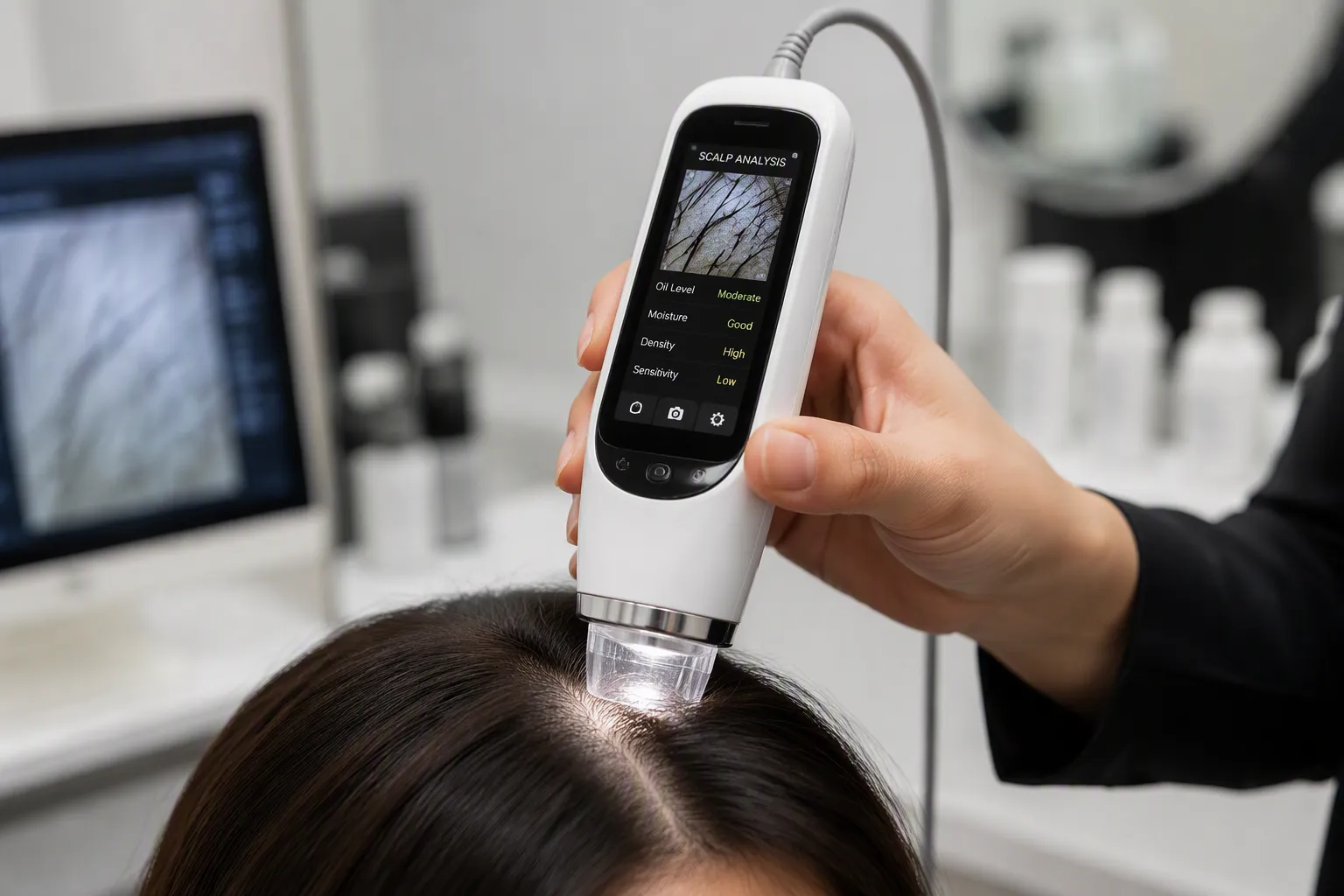
I define a Hair Scalp Analyzer as a diagnostic tool using microscopy, chemical analysis, or DNA testing. It detects dryness, oiliness, inflammation, product buildup, heavy metals, or drugs. This tool provides objective data beyond simple visual inspection. If you have persistent hair thinning, itchy scalp, or unexplained shedding, a hair scalp analyzer reveals answers you never expected.
Key Takeaways
●A hair scalp analyzer reveals hidden scalp problems like dryness, clogs, and poor blood flow.
●It also detects heavy metals, drugs, and genetic markers that cause hair loss.
●Follow proper sample collection steps to get accurate results and a custom treatment plan.
Issues a Hair Scalp Analyzer Can Detect
Scalp and Hair Health Conditions
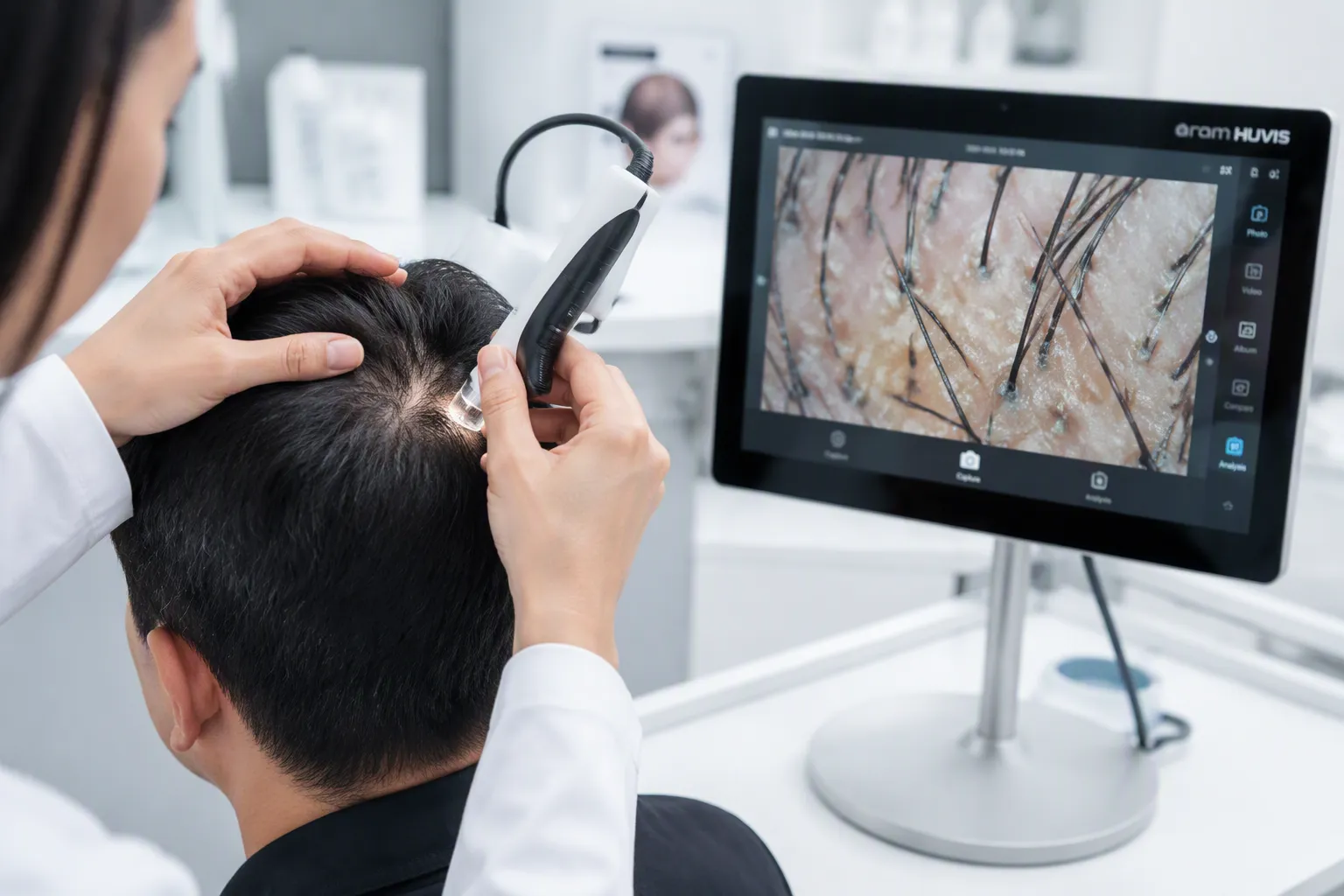
I examine the scalp using a Hair Scalp Analyzer. This tool uses a high-magnification camera that magnifies the scalp up to 200 times. I can see dryness, oiliness, irritation, and inflammation clearly. Product buildup appears as a film covering the scalp. The camera reveals whether follicles are open and healthy or clogged with residue. I distinguish between different types of buildup, like dry shampoo residue versus natural oils. I then recommend targeted detox treatments.
Clogged follicles lead to serious problems. Sebaceous glands produce too much sebum. This creates irritation and inflammation. The scalp becomes intensely itchy. Scratching damages hair follicles and blocks natural growth. This obstruction causes hair to fall out. Excess sebum also imbalances Malassezia yeast, leading to more inflammation and follicle damage.
Scalp buildup can cause hair loss if left untreated. Dead skin, oil, and sweat clog your hair follicles. This leads to folliculitis, which causes inflammation of the hair follicles. Sometimes it results in infection. Severe cases may cause crusty sores that don’t heal. These sores can cause permanent hair loss and scarring.
Poor blood circulation also affects hair health. A Hair Scalp Analyzer can detect this issue. Balding scalps show less blood flow and oxygen. The technology uses quad spectrum detection for high-precision measurement. Several technologies support blood flow measurement:
| Technology | Measurement Principle | Application |
|---|---|---|
| Laser Doppler Flowmetry (LDF) | Uses a laser to measure blood flow and generate a perfusion map | Clinical research, real-time monitoring |
| Laser Speckle Contrast Imaging (LSCI) | Captures wide-field images of blood flow patterns | Regional blood flow visualization |
| Photoplethysmography (PPG) | Measures blood volume changes using light absorption | At-home tracking |
| Near-Infrared Spectroscopy (NIRS) | Analyzes light absorption to assess blood oxygenation and flow | Evaluating perfusion and oxygenation |
| Thermal Infrared Imaging | Detects temperature variations to infer blood circulation | Screening and patient education |
I also evaluate hair porosity, elasticity, bacteria presence, and flaky skin. Each condition gives clues about the root cause of hair or scalp problems.
Substance Detection and Genetic Factors
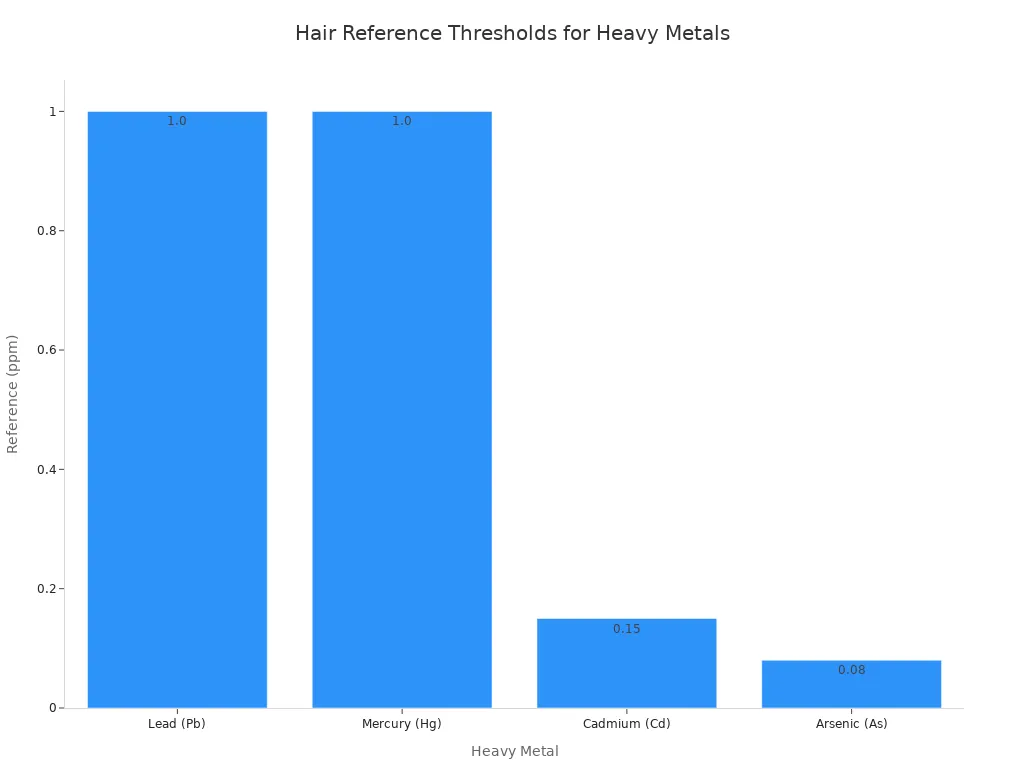
A Hair Scalp Analyzer goes beyond surface conditions. It detects substances inside the hair shaft. Heavy metals accumulate in hair over time from various sources. Here are common heavy metals and their reference values:
| Heavy Metal | Common Sources | Hair Reference (ppm) |
|---|---|---|
| Lead (Pb) | Old paint, water pipes, soil | <1.0 |
| Mercury (Hg) | Tuna, dental amalgams | <1.0 |
| Cadmium (Cd) | Cigarette smoke, shellfish | <0.15 |
| Arsenic (As) | Well water, brown rice | <0.08 |
The analyzer also detects drugs. Hair testing can identify use up to three months before testing. This method is harder to tamper with than urine samples. Hair tests work well for detecting cocaine and oxycodone. They are less sensitive for sporadic alcohol and cannabis use. Recent cannabis use has a 52.3% correct identification rate. Recent cocaine use has 65.2%. Recent amphetamine use has 24.2%. Recent opioid use has only 2.9%. Urine tests detect more recent use. Hair tests identify long-term patterns. Other toxins include environmental chemicals, industrial contaminants, and occupational exposure markers.
The tool also examines genetic markers for hair loss disorders. DNA testing identifies specific genes linked to hair loss:
| Gene | SNP | Clinical Relevance |
|---|---|---|
| ACE | rs4341, rs4343 | Deletion variants linked to reduced scalp blood flow; no proven treatment response |
| BTD | rs13078881 | CC/CG variants associated with biotinidase deficiency; no proven hair loss link |
| CYP19A1 | rs2470152, rs700519 | TC variant affects testosterone/estradiol ratio; CT/TT variants may respond to dutasteride |
These markers help me understand genetic predispositions. Combining substance detection with genetic analysis gives a complete picture of hair health.
The Analysis Process and Results
Sample Collection and Preparation
I begin the process by instructing clients on proper preparation. They must wash their hair with a simple shampoo on collection day. I tell them to avoid conditioners, gels, oils, or creams afterward. They also need to skip any chemical treatments like perms or dyes. If their hair is treated, I ask them to wait 6–8 weeks for new growth.
The actual collection follows a precise sequence:
1.Wait 4–12 hours after washing so natural oils return to the hair.
2.Cut small portions from at least 4–5 different scalp areas using stainless steel scissors.
3.Keep only the proximal 1.5 inches closest to the root and discard the rest.
4.Place the sample directly into a clean paper specimen envelope and seal the glue flap.
I need a minimum of 125 mg of hair, though I prefer about 250 mg for thorough analysis. Storage matters for preserving sample integrity. I keep samples at room temperature or refrigerated in paper folds or screw-top tubes to avoid static loss.
Understanding Results and Next Steps
The lab typically reports negative results within 1–3 business days. Positive or inconclusive results may take up to 5 business days due to confirmatory testing. I compare the findings against reference ranges, but I interpret them with caution. No standardized normal ranges exist for most trace minerals in hair. Each laboratory develops its own reference values based on different source specimens.
I view mineral levels in relation to each other rather than checking individual values alone. For example, I examine the calcium-to-magnesium ratio for balance indicators. I also account for external contamination from hair products and environmental exposure. Age, gender, hair color, and geography all influence mineral deposition in hair.
From the analysis, I develop a customized treatment protocol. I recommend appropriate home care products and practices based on the specific findings. If the results suggest medical conditions like thyroid disorders or hormonal imbalances, I provide referrals for further evaluation. I also establish a monitoring schedule to track changes over time. This Hair Scalp Analyzer approach gives me a comprehensive picture that guides every recommendation I make.
A Hair Scalp Analyzer reveals everything from dryness and clogged follicles to hidden heavy metals and genetic markers. This data-driven approach pinpoints root causes that standard treatments miss. PRP therapy guided by analysis achieves 70–80% success for early thinning.
The ASM 300 + AI Scalp Grader reduces guesswork, empowering professionals to track progress and personalize care plans based on data—not assumptions.
If persistent issues resist treatment, consult a qualified professional. Dermatologists diagnose medically; trichologists offer specialized care. Take the guesswork out of your hair health today.
FAQ
How long does hair analysis take?
I typically receive negative results within 1–3 business days. Positive or inconclusive findings may take up to 5 business days because confirmatory testing requires additional time.
Can I test my hair at home?
I recommend professional analysis instead. Home kits lack the magnification power and reference data I use for accurate interpretation. A qualified trichologist or dermatologist provides reliable results.
Will the analysis hurt?
No. I cut small hair samples from 4–5 scalp areas using stainless steel scissors. The process takes minutes and causes no discomfort.
Post time: Aug-27-2026


