


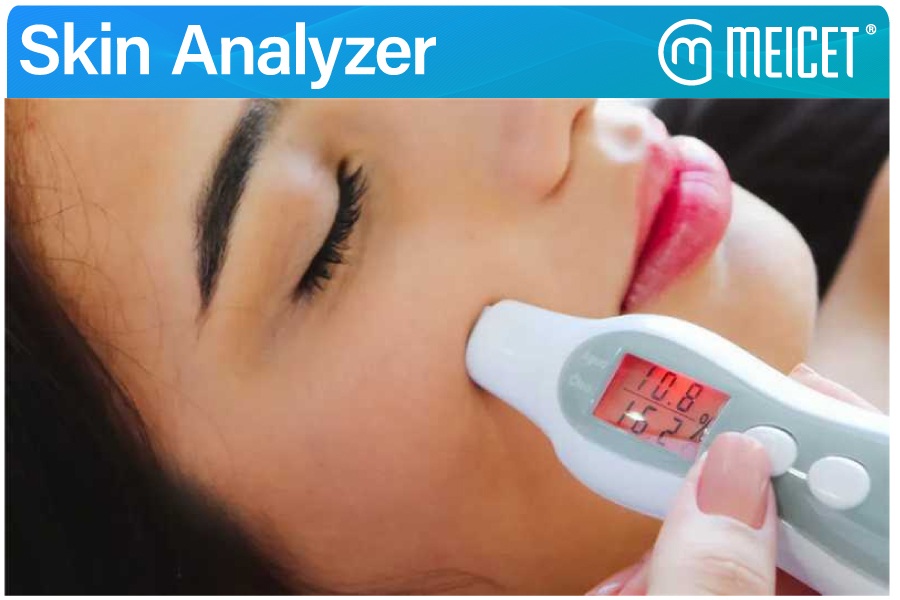
When I source a Skin Analyzer, I often see buyers make mistakes like skipping supplier checks or ignoring regulatory standards. These errors can lead to unsafe devices and wasted money. I always focus on safety and compliance because they protect my business and my clients.
Key Takeaways
●Always verify supplier credentials and ask for certifications to ensure safety and compliance.
●Check for FDA and CE approvals to avoid legal issues and ensure device quality.
●Test the performance of skin analyzers with demo units to confirm accuracy and reliability.
Supplier Credentials
When I look for a Skin Analyzer, I always start by checking the supplier’s credentials. This step helps me avoid unreliable companies and ensures I get a safe device.
Verifying Certifications
I ask every supplier for proof of their certifications. Reliable suppliers provide documents that show compliance with industry standards. I look for certificates like ISO 13485 for medical devices. I also check if the documents have official stamps and recent dates. If I see anything that looks odd or outdated, I ask for more information.
Tip: Always request digital copies of certifications and verify them with the issuing organization.
Checking References
I never skip checking references. I ask the supplier for contact details of past clients. I reach out to these clients and ask about their experience. I want to know if the supplier delivered on time and if the product matched the description. I also ask if they had any issues with the device or support.
●Questions I ask references:
●Did the supplier deliver as promised?
●Was the device quality as expected?
●How did the supplier handle problems?
By following these steps, I make sure I only work with trustworthy suppliers. This process protects my business and my clients.
Regulatory Compliance
When I source a Skin Analyzer, I always check for regulatory compliance. This step helps me avoid legal problems and protects my clients. I know that missing compliance can cause big issues. For example, products can face delays, rejections, or even recalls. Sometimes, I see devices blocked from entering markets because they lack proper documents. I also notice that unclear claims or missing ingredient information can lead to legal actions. The rules change from one region to another, which makes compliance even more important.
FDA and CE Requirements
I always ask suppliers if their devices meet FDA and CE requirements. The FDA sets rules for medical devices in the United States. The CE mark shows that a device meets safety standards in Europe. I check for these marks on the product and in the paperwork. If a supplier cannot provide proof, I do not move forward. I know that these certifications help me trust the safety and quality of the device.
Note: Devices without FDA or CE approval may not be legal to sell or use in many countries.
Dermatological Testing
I also look for proof of dermatological testing. This testing shows that the device is safe for skin. I ask for reports that follow well-known standards. The most common standards I see in product evaluations are:
| Standard Code | Description |
|---|---|
| GB17149.1-1997 | The General of Diagnostic Criteria and Treatment Principles of Cosmetic Dermatosis |
| GB17149.2-1997 | Diagnostic Criteria and Treatment Principles of Contact Dermatitis Induced by Cosmetics |
I always review these reports before I make a decision. This process helps me choose a Skin Analyzer that is both safe and effective.
Skin Analyzer Quality
Performance Testing
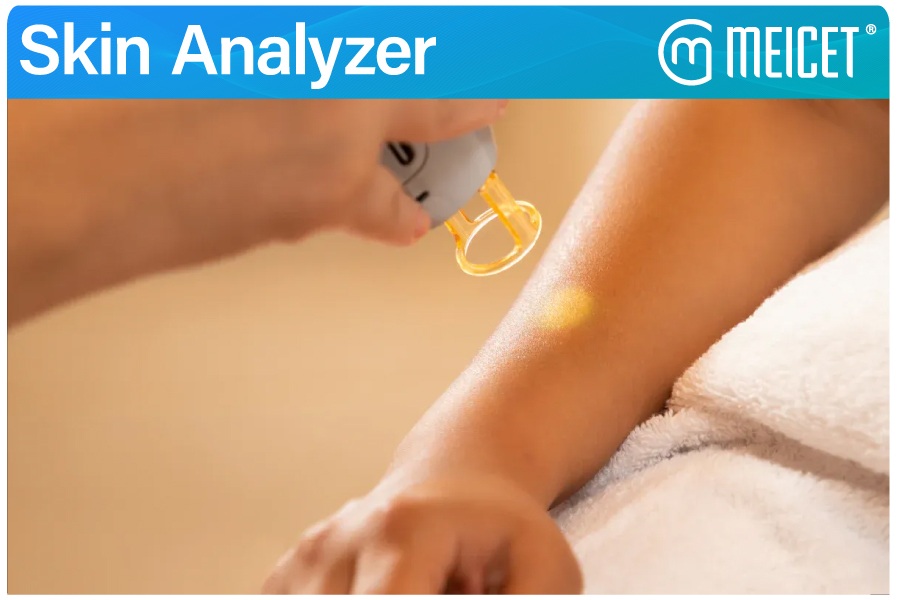
I always test the performance of a Skin Analyzer before I make a purchase. I check how well the device works in real situations. I ask suppliers for demo units or sample reports. I use these to see if the device can scan different skin types and conditions. I also look for clear instructions on how to use the device. If the device gives inconsistent results, I know it may not be reliable. I want to see stable readings each time I test the same area. I also compare the results with other trusted devices in my clinic. This helps me spot any major differences.
Tip: I always ask for a trial period or a return policy. This gives me time to test the device without risk.
Measurable Results
I focus on measurable results when I choose a Skin Analyzer. I want to see data that proves the device works. I check published studies that compare leading brands. These studies show that AI-powered analyzers give higher accuracy and less variation than traditional methods. For example, AI methods for acne detection reach up to 94% accuracy with less than 5% variation. Traditional methods only reach 85% accuracy and show much higher variation.
| Method | Accuracy Rate (%) | Variation (%) |
|---|---|---|
| AI (Acne) | 89 – 94 | < 5 |
| Traditional (Acne) | 78 – 85 | 15 – 20 |
| AI (Melasma) | 91 – 95 | < 5 |
| Traditional (Melasma) | 82 – 88 | 15 – 20 |
I use this data to guide my decision. I know that better accuracy means better results for my clients.
Advanced Features
AI and Reporting Tools
When I choose a Skin Analyzer, I look for advanced features that help my clinic stand out. Many clinics and dermatologists now request tools that use artificial intelligence and smart reporting. These features make my work faster and more accurate. I see that AI can match the diagnostic accuracy of dermatologists and general practitioners. It learns from many images and helps me spot skin lesions and track changes over time. I trust AI to help me make better decisions, especially for serious conditions like melanoma.
Here are some advanced features I find most useful:
| Advanced Feature | Description |
|---|---|
| Automated Mole-Matching and Mapping Algorithms | Identifies and tracks moles across the body with full body imaging. |
| Evolution Tracker | Monitors changes in lesions over time to detect potential issues. |
| Advanced Visual Image Search | Improves the ability to search and analyze images quickly. |
| Integration with Teledermatology Solutions | Supports remote consultations and assessments for better patient access. |
| Real-time Data Visualization and Analytics | Gives immediate insights into patient trends and case management. |
AI-powered reporting tools also help me show clients clear results. I can track treatment progress and use before-and-after images to build trust. These tools increase my conversion rates and help me keep clients coming back.
Tip: I always consider how advanced features can boost my return on investment. For example, a $2,000 device can generate $8,000 in new revenue, leading to a 220% ROI.
User Documentation
I always check the user documentation before I buy a device. Good documentation helps me and my staff learn how to use every feature. I look for clear guides, step-by-step instructions, and troubleshooting tips. This support reduces mistakes and saves time during training. When I have strong documentation, I feel confident using all the advanced features. My clients also get better results because I can use the device to its full potential.
After-Sales Support
Warranty Terms
I always check the warranty terms before I buy a skin analyzer. A strong warranty gives me peace of mind. I want to know what parts the warranty covers and what it excludes. Most suppliers cover the main components, but some parts often get excluded. I review the agreement and look for details about optics, sensors, and touchscreens. These parts usually have coverage. Filters and single-use probes often do not. I use the table below to compare what suppliers offer:
| Covered Components | Excluded Components |
|---|---|
| Optics | Filters |
| Sensors | Single-use probes |
| Touchscreens | N/A |
| Power supplies | N/A |
I ask suppliers to explain any exclusions. If I see unclear language, I request clarification. I avoid deals with hidden terms or short warranty periods. A clear warranty helps me avoid unexpected costs.
Tip: I always keep a copy of the warranty agreement. This makes it easier to claim support if something breaks.
Technical Assistance
I value technical assistance after the sale. Good support helps me solve problems quickly. I ask suppliers about their response times and available channels. Some offer phone support, email, or live chat. I prefer suppliers who provide training and troubleshooting guides. When I get fast answers, I fix issues and keep my clinic running smoothly. I also check if the supplier offers software updates. These updates improve device performance and add new features. Reliable technical support makes me feel confident in my purchase.
Cost Transparency
When I source a skin analyzer, I always focus on cost transparency. I want to avoid surprises that can hurt my budget. I know that hidden costs can add up quickly and affect my bottom line.
Clear Contracts
I always insist on clear contracts before I buy. A well-written contract helps me understand what I am paying for and what the supplier will deliver. It also protects me if something goes wrong. I have seen that clear contracts make it easier to solve disputes. They help both sides know their rights and duties. The table below shows how clear contracts can improve business relationships and reduce problems:
| Key Point | Explanation |
|---|---|
| Clear Contracts Facilitate Resolution | Clear contractual terms can lead to faster and more amicable resolutions, potentially reducing dispute rates. |
| Shift to Mediation | Encouraging mediation under the Mediation Act, 2023, can result in quicker project completions and fewer legal battles. |
| Impact on Relationships | Better-defined contracts foster improved relationships between contracting parties, which can further decrease disputes. |
Tip: I always read every contract carefully and ask questions about anything I do not understand.
Total Cost Evaluation
I never look at just the sticker price. I always check for hidden costs that come with owning a skin analyzer. Some common extra costs include:
●Calibration sessions, which cost $100-$200 each and are needed often.
●Serum refills, filter changes, and repairs for handpieces.
●Software updates and keeping up with new technology.
●Unexpected repairs that may cost extra money later.
To get the full picture, I use a step-by-step method:
1.I collect data on purchase price, installation, maintenance, and operation.
2.I separate costs into direct (like buying and licensing) and indirect (like training and lost time).
3.I estimate long-term expenses using past data and market research.
4.I analyze all this information to find the total cost over the device’s life.
This process helps me make smart choices and avoid financial surprises.
Business Needs Alignment
When I choose a Skin Analyzer, I always match the device to my business needs and client expectations. This step helps me avoid buying a device that does not fit my workflow or client base. I know that the right device can improve satisfaction, boost my return on investment, and help me give better recommendations.
Understanding Client Types
I start by looking at the types of clients I serve. Each group has different needs, so I pick features that match their expectations. Here is a table that shows how client types affect the features I look for:
| Client Type | Required Features and Specifications | Recommendations |
|---|---|---|
| Med Spas & Aesthetic Clinics | Visual skin concern mapping, high throughput, workflow integration | Use hardware systems for appointments; consider app-based systems for flexibility. |
| Retail Environments | Point-of-sale integration, analysis in variable lighting | Set up dedicated stations with controlled lighting for best results. |
| E-Commerce Brands | Online analysis tools, personalized product recommendations | Connect analysis to a curated recommendation layer for strong personalization. |
I use this table to guide my choices. For example, if I work in a med spa, I need a device that handles many clients and fits into my daily routine.
Comparing Manufacturers
I always compare several manufacturers before I decide. I look at accuracy, functionality, ease of use, data capabilities, brand reputation, and cost. I also check for advanced features like high-resolution imaging, 3D mapping, and multispectral analysis. Some brands, like the ImagePro HYBRID system, offer flexible pricing and good value for clinics with different budgets. I gather data from each supplier and test demo units when possible. This process helps me find the best fit for my business and clients.
Tip: I always collect feedback from my staff and clients after testing new devices. Their opinions help me make the right choice.
I avoid costly mistakes by following each step in this guide. I use digital tools, streamline my sourcing, and check supplier performance often. These actions help me choose safe and reliable skin analyzers. I always put quality, compliance, and supplier trust first to protect my business and clients.
FAQ
What is the most important feature I should check in a skin analyzer?
I always check for accuracy and safety first. These features help me trust the results and protect my clients.
How do I know if a supplier is trustworthy?
I ask for certifications and references. I contact past clients to confirm the supplier’s reliability and service quality.
Can I use a skin analyzer without medical training?
I can use many skin analyzers with basic training. I always read the user manual and follow the supplier’s instructions for safe operation.
Post time: Jul-15-2026


