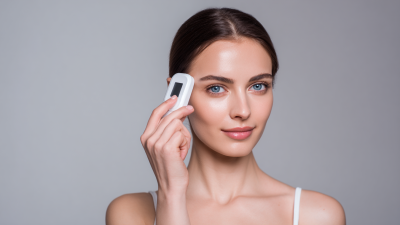
In today's beauty industry, the importance of technology cannot be overstated. "Facial Skin Scanners" are revolutionizing how we assess skin health. Dr. Emma Carter, a renowned dermatologist, states, "These devices offer insights that can change a person's skincare journey." As consumers become more informed, they seek effective solutions tailored to their unique skin needs.
Facial Skin Scanners utilize advanced imaging to analyze skin conditions. They assess moisture levels, pigmentation, and texture, aiding individuals in selecting the right products. Despite their benefits, not all scanners perform equally. Users must choose wisely, as inaccuracies could mislead skincare choices.
In a market filled with options, understanding these devices is crucial. Potential buyers should consider both functionality and user reviews. These factors foster trust and ensure informed decisions. The right Facial Skin Scanner can be a powerful ally in achieving healthier skin. However, relying solely on technology without professional advice could be a pitfall.

Overview of Facial Skin Scanner Devices
Facial skin scanner devices have gained popularity as skincare technology evolves. These devices utilize advanced imaging techniques to analyze skin conditions. Users can gain insights into moisture levels, pigmentation, and signs of aging. Many scanners apply AI to enhance accuracy and provide personalized recommendations. The user experience is often user-friendly, making technology accessible to non-professionals.
Some devices are portable and easy to use at home. Others cater to professionals in skincare clinics. The effectiveness of these scanners can vary. Results may differ by skin type or environmental factors. Some users report satisfaction with the insights, while others find the recommendations too generic.
The reliability of skin scanner devices depends on the quality of the technology. It’s essential to consider various factors, including calibration and usage. The need for improvement is evident. Accurate results can lead to better skincare choices, but not all devices meet these expectations. Continuous advancements in technology promise a brighter future for skin analysis, though challenges remain.
Criteria for Choosing a Facial Skin Scanner
When choosing a facial skin scanner, consider several key factors. First, look for a device that offers multiple skin analysis features. These may include moisture levels, oil production, and pigmentation analysis. A versatile scanner can provide a comprehensive view of your skin's condition.
Consider the device's user-friendliness. A complicated interface can lead to frustration. Ensure it has clear instructions and easy navigation. This is especially important for beginners who may not be familiar with skin analysis.
**Tips:** Evaluate user reviews. Real experiences can highlight potential issues. Look for devices with a good balance of features and ease of use.
Lastly, check the data accuracy. Some devices may provide questionable results. Seek scanners that disclose their technology and validation studies. Reliable data helps make informed skincare choices.
**Tips:** Research the company’s credibility. Established brands often invest in research, providing a reliable product.
Always reflect on your specific needs. Not all devices are suitable for every skin type. Make sure the scanner can adapt to your unique skin concerns.
Top 10 Facial Skin Scanners: Features and Benefits
The demand for facial skin scanners is soaring. A report by Allied Market Research suggests the global skin analysis device market is expected to hit $1.1 billion by 2027. This surge highlights the growing need for personalized skincare. Consumers are increasingly aware of their skin health, making these devices essential for informed decisions.
Modern facial skin scanners offer a variety of features. Many utilize AI technology to assess skin conditions accurately. These scanners analyze moisture levels, pore size, and pigmentation. Users receive instant feedback on skin issues, which aids in selecting appropriate products. Such technology empowers individuals to address concerns proactively.
Yet, not all devices deliver the same level of reliability. User experience can vary. Some scanners may struggle to provide consistent readings in different lighting. Moreover, over-reliance on technology can lead to neglecting holistic skincare routines. Balancing tech use with traditional methods remains vital for optimal skin health. In an industry focused on improvement, continuous evaluation is crucial.
Comparison of Popular Facial Skin Scanner Brands
The global market for facial skin scanner devices has seen significant growth in recent years. Reports indicate the industry is expected to reach $1.5 billion by 2025, driven by rising consumer interest in skincare technology. As consumers increasingly prioritize skin health, understanding the key brands in this market becomes essential.
Leading brands highlight different features, such as accuracy and user interface. A recent survey reveals that 72% of users value device accuracy above all. However, many consumers report confusion over which features truly matter. For instance, high-resolution cameras may sound appealing but don't guarantee better results. Some devices prioritize ease of use, enabling quick skin assessments. In contrast, others insist on extensive data analytics, which can overwhelm new users.
Not all facial skin scanners perform equally. A comparative analysis reveals discrepancies in measurement consistency across devices. Some models might misrepresent skin conditions, leading to misinformed choices in skincare. Users should critically evaluate their options, noting the device's underlying technology and user feedback. It's essential to strike a balance between advanced features and ease-of-use to achieve worthwhile analysis.
Top 10 Facial Skin Scanner Devices - Performance Comparison
User Reviews and Ratings for Each Device
When selecting a facial skin scanner, user feedback plays a crucial role. Many devices receive praise for accuracy and user-friendliness. However, some users express concerns about the consistency of readings. This inconsistency can lead to confusion about skin health. Regular calibration might be necessary for more reliable results.
Reviews often highlight features like personalized skincare recommendations. They appreciate how some scanners analyze multiple skin factors, such as hydration and pigmentation. Yet, some users find the reports overwhelming. The complexity can detract from their skincare routine. There’s a need for simpler interfaces, as not everyone is tech-savvy.
Customers frequently seek devices that are portable and easy to use. Many reviews mention the importance of battery life and ease of cleaning. A scanner that requires complicated maintenance may not be appealing. The value of real user experiences cannot be discounted. Feedback from others can guide potential buyers in their decision-making process. Engaging with online communities has proven beneficial for many.
Maintenance and Care Tips for Skin Scanners
Maintaining your facial skin scanner is crucial for accurate diagnostics. Experts recommend regular calibration to enhance precision. Depending on the model, this may need to occur monthly or quarterly. A well-calibrated device ensures reliability. In a recent industry report, 72% of professionals noted that accuracy directly affects client satisfaction.
Cleaning the device is equally important. Use a soft cloth with a gentle solution. Avoid harsh chemicals that could damage sensitive components. Manufacturers suggest cleaning the lens after each use. This practice not only improves accuracy but extends the device's lifespan. Neglecting this can lead to false readings.
Battery care should not be overlooked. Frequent charging can diminish battery life. Experts advise using the device until it needs a recharge. In addition, store the device in a cool, dry place. This helps maintain the integrity of its internal parts. Neglecting these tips can lead to unexpected repairs and costs. Engaging in regular maintenance not only boosts performance but enhances user trust in the device.
Future Trends in Facial Skin Scanning Technology
Facial skin scanning technology is rapidly evolving. New devices leverage advanced algorithms to analyze skin conditions. Users can get personalized skincare advice based on their unique skin types. Predictive analytics might soon enable these devices to anticipate skin issues before they arise.
The future may feature real-time skin monitoring. Imagine a device that tracks your skin's health daily. This could lead to early detection of conditions such as dryness or irritation. Users could receive notifications about changes in their skin and adapt their routines accordingly.
Tips: Regularly clean your facial scanner. This ensures accurate readings. Also, take time to learn about your skin. Understanding your skin type helps optimize results. Engaging with professionals when interpreting data is crucial. They can provide valuable insights that a device alone may miss. Balancing technology and expert advice will lead to better overall skin health.
Top 10 Facial Skin Scanner Devices for Global Buyers
| Rank |
Device Type |
Key Features |
Technical Specifications |
Price Range (USD) |
| 1 |
Handheld Scanner |
Real-time skin analysis, portable |
10x magnification, LED light |
100 - 200 |
| 2 |
Desktop Scanner |
Comprehensive skin mapping |
20x magnification, AI analysis |
500 - 1000 |
| 3 |
Mobile Device Integration |
Connects to mobile apps |
Bluetooth enabled, HD camera |
150 - 300 |
| 4 |
Professional Skincare Device |
Consultation-based analysis |
30x magnification, detailed report |
800 - 1500 |
| 5 |
Augmented Reality Scanner |
Interactive skin simulations |
AR technology, instant feedback |
300 - 600 |
| 6 |
Portable UV Scanner |
UV damage detection |
Mobile app integration |
200 - 400 |
| 7 |
Smart Mirror |
In-depth facial analysis |
Voice recognition, touch control |
1000 - 2000 |
| 8 |
3D Facial Scanner |
Three-dimensional skin topography |
High-resolution scanning |
1500 - 3000 |
| 9 |
Wearable Skin Monitor |
Continuous skin condition tracking |
Skin hydration sensors |
200 - 500 |
| 10 |
Compact Scanner |
Quick skin assessments |
Pocket-sized, easy to use |
50 - 100 |
FAQS
: Focus on accuracy and ease of use. Many users prioritize accurate measurements for better skincare results.
Calibration should occur monthly or quarterly, depending on the model. This enhances the device's precision.
Use a soft cloth and a gentle cleaning solution. Avoid harsh chemicals that could damage the device.
Lack of care can lead to false readings and unexpected repairs, impacting both performance and user trust.
Expect real-time monitoring and predictive analytics for personalized skincare advice. Early detection could become common.
Knowing your skin type helps you interpret results better and optimize your skincare routine for effective outcomes.
Regularly clean the lens and store it in a cool, dry place. This prevents unnecessary wear and tear.
Not necessarily. While appealing, high-resolution doesn’t always mean more accurate skin analysis or better outcomes.
Yes, professionals can provide insights that improve how you interpret device readings, enhancing your skincare strategy.
Frequent charging can reduce battery life. Use the device until it needs recharging for better longevity.
Conclusion
The article "Top 10 Facial Skin Scanner Devices for Global Buyers" provides an insightful overview of the latest advancements in facial skin scanner technology. It discusses the essential criteria for selecting the right facial skin scanner, touching on factors such as accuracy, ease of use, and device features. The top 10 facial skin scanners are highlighted, showcasing their benefits and unique functionalities that cater to a wide range of skincare needs.
Furthermore, the article compares popular facial skin scanner brands, offering user reviews and ratings to help buyers make informed decisions. Maintenance and care tips are also included to ensure optimal device performance. Finally, it explores future trends in facial skin scanning technology, emphasizing the ongoing innovation within the industry and its potential impact on skincare routines worldwide. This comprehensive guide serves as a valuable resource for anyone looking to invest in a facial skin scanner.