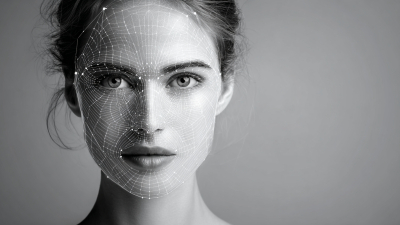
Beauty care products play a pivotal role in our daily routines. According to the Global Beauty Care Market Report 2023, this industry is projected to reach $750 billion by 2025. This tremendous growth highlights the increasing importance people place on their appearance and self-care. As noted by industry expert Dr. Angela Holtz, “Beauty care products not only enhance aesthetics but also boost confidence and well-being.”
In today’s world, individuals seek effective beauty solutions that fit their lifestyles. A survey by the Cosmetic Industry Association shows that 70% of consumers use beauty products daily. These products are no longer just luxuries; they have become essentials in our hygiene and skincare regimens. However, this trend also raises questions about consumer habits and the pressure to conform to beauty standards.
On the other hand, the beauty care market faces challenges. Many products contain harmful ingredients. Consumers must navigate misinformation about what’s truly beneficial. Reflecting on these complexities, Dr. Holtz emphasizes the need for informed choices. Understanding the balance between beauty and health is crucial in this ever-evolving landscape of beauty care products.
Beauty care products play a vital role in our daily hygiene and self-care routines. They help cleanse, moisturize, and protect our skin. A simple face wash can remove dirt and impurities. Using toner can balance the skin's pH. These products make us feel refreshed and confident.
Self-care often means choosing the right products for our unique skin types. Some people battle dryness, while others struggle with oiliness. It’s important to listen to your skin's needs. Experimenting with different textures and scents can be an enlightening journey. Sometimes, we choose products that don't quite work. That’s okay; it’s part of the learning process.
Moreover, consistency in using beauty care items is key. It can be easy to skip steps when we're busy. However, making time for these routines can improve our overall well-being. Small changes can have a big impact. A soothing cream at night or a refreshing mask can change your day. Embracing imperfections and finding joy in the process can lead to a healthier perspective on beauty.
The global beauty care market is booming. Recent studies show a significant increase in consumer spending. In 2022, the market grew by over 5%. This trend reflects a rising awareness of personal appearance. People are investing more in skincare, haircare, and makeup. It's no longer just a luxury; it’s a part of daily life for many.
Statistics reveal that younger consumers lead this shift. They are more inclined to try new products. Social media influences their choices significantly. Almost 70% of consumers seek beauty advice online. They often feel pressure to look perfect. This can lead to impulsive purchases without proper research.
Interestingly, sustainability plays a role in buying decisions. Consumers are more aware of the impact of beauty products on the environment. Many prefer brands that prioritize eco-friendly practices. Yet, some still struggle with the balance of beauty versus ethics. This ongoing trend highlights the complexity of consumer behavior in beauty care.
Skincare routines play a crucial role in maintaining skin health and enhancing appearance. Consistency is key. Regular use of beauty care products helps nourish the skin, keeping it hydrated and balanced. When you commit to a routine, you may see noticeable improvements in texture and tone over time. However, it’s important to remember that results may vary. Not every product suits all skin types. This can lead to frustration, so patience is essential.
Here are a few tips for an effective skincare routine. Cleanse twice daily to remove impurities. This keeps pores clear and can prevent breakouts. Don’t skip moisturizing, even if your skin feels oily. Hydration is vital for all skin types. Also, consider incorporating sunscreen into your daily regimen. Protecting your skin from UV rays is crucial, even on cloudy days.
While establishing a routine can seem straightforward, it requires reflection. Sometimes, products might irritate your skin rather than soothe it. Always patch test new items. Listen to your skin's needs. It may take time to find the right combination of products. Each individual is unique, and your journey in beauty care is personal. It’s okay to reassess your routine as your skin changes.
This chart illustrates the benefits of consistent skincare routines for skin health and appearance, highlighting key areas such as hydration, blemish reduction, and overall skin texture improvement. Regular use of beauty care products significantly contributes to these factors, enhancing overall skin wellness.
Beauty care products play a significant role in our daily routines. They influence not just our appearance, but also our psychological well-being. When we use beauty products, we often feel more confident. This boost in self-esteem can affect how we interact with others. It's fascinating how something as simple as a moisturizer can shift our mood.
Here are some tips to enhance your beauty care routine:
- Choose products that suit your skin type. This prevents irritation and makes your skin look healthy.
- Incorporate mindfulness while applying products. This transforms your routine into a soothing ritual.
- Don’t overdo it. Excessive makeup can feel heavy and may lead to self-doubt.
As we navigate our beauty choices, we may sometimes feel pressure to conform. It's important to remember that beauty is subjective. Embrace your flaws and appreciate your uniqueness. Reflect on what beauty means to you personally, and allow that to guide your care routine. Feeling good about yourself doesn’t always require a perfect look. Sometimes, it just takes a little compassion and self-acceptance.
When selecting beauty care products, understanding key ingredients is crucial. Ingredients like hyaluronic acid are popular for hydration. This compound attracts moisture, making skin plump and youthful. On the other hand, retinol is known for its anti-aging properties. It can boost collagen production, but it may irritate sensitive skin.
Another important ingredient is vitamin C, renowned for brightening skin. It helps diminish dark spots and promotes an even skin tone. However, not all vitamin C formulations are suitable for everyone. People with oily skin might struggle with heavy creams that contain shea butter, which can clog pores.
Choosing products based solely on trends can lead to mismatched expectations. It's easy to overlook how products work with individual skin types. For example, a product that works wonders for one person may not suit another, leading to wasted time and money. Finding the right balance between ingredients and skin needs requires introspection and careful consideration.
Incorporating beauty care products into daily routines is essential for maintaining healthy skin. However, selecting the right products can be daunting. According to industry reports, as many as 70% of consumers feel overwhelmed when choosing beauty items. Expert recommendations suggest focusing on skin type and individual needs. This personalized approach can make a significant difference.
When selecting beauty care products, experts advise to always check ingredient labels. Natural ingredients are often preferred. For instance, products containing hyaluronic acid are known to provide excellent hydration. This can improve skin texture and appearance. Meanwhile, avoid products with harsh chemicals, as they may cause irritation.
**Tip:** Always conduct a patch test when trying new products. This simple step can help prevent allergic reactions.
**Tip:** Keep in mind that more expensive does not always mean better. Budget-friendly options can work just as well, given the right ingredients.
Choosing appropriate beauty care products can be a trial-and-error process. Some may find that what works for one person does not work for them. It's crucial to remain patient and open to trying different products until you find the routine that truly fits your needs.
The future of beauty care is shifting towards innovation and sustainability. Consumers are more aware of their choices. They want products that are effective but also eco-friendly. Biodegradable packaging and clean formulas are in demand. Brands are exploring alternative ingredients and reducing waste.
Tips: Look for products that use sustainable materials. Check for certifications that indicate eco-friendly practices. Every small choice can lead to bigger changes.
Innovation in beauty care doesn’t just stop at ingredients. Technology is enhancing how we experience beauty. Virtual try-ons and personalized skincare regimens are becoming common. However, with these advancements, the need for transparency becomes vital. Consumers should understand what they are applying to their skin.
Tips: Educate yourself about ingredients. Transparency in beauty helps you make informed decisions. Don't hesitate to question brands about their practices.
: The product aims to enhance user experience significantly. It focuses on improving daily tasks and interactions.
It functions through simple user inputs. Outputs are generated based on data and algorithms.
Anyone looking to streamline their day-to-day activities can find usefulness. Both individuals and groups may benefit.
Key features include user-friendly interface and customizable settings. These allow for personal adjustments and preferences.
Users can share their thoughts through designated feedback options. Engagement is encouraged to improve future versions.
Users sometimes struggle with initial setup. There may be confusion regarding certain features and navigation paths.
Yes, customer support is provided through various channels. Users can reach out for assistance, but response times vary.
Compatibility varies depending on the tools in question. Users should check integration options for smooth functionality.
Beauty Care Products play a vital role in daily hygiene and self-care routines, contributing significantly to individuals' overall well-being. The global beauty care market has witnessed remarkable growth, reflecting changing consumer trends that emphasize the importance of personal grooming and skin health. Consistent skincare routines using appropriate beauty care products can enhance skin health and appearance, leading to improved psychological well-being and heightened self-confidence.
Key ingredients in beauty care products are essential to addressing various skin types and concerns, and expert recommendations can guide consumers in selecting the right products. As the beauty industry evolves, innovations and sustainable practices are becoming increasingly important, paving the way for a future where beauty care products not only enhance appearance but also prioritize environmental responsibility.