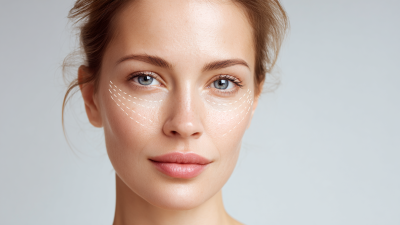
Identifying your unique skin type is crucial for achieving optimal skincare results, yet many individuals overlook this essential step. In the quest for radiant skin, understanding whether you have oily, dry, combination, or sensitive skin can significantly influence the effectiveness of the products you choose. At Shanghai May Skin Information Technology Co., Ltd., a leading beauty equipment manufacturer and software service provider, we specialize in innovative skin analyses that empower consumers to make informed decisions about their skincare regimen. Our cutting-edge skin analyzers are designed to assess various skin types and conditions, ensuring you select the most suitable products tailored to your needs. By utilizing our technology, you can embark on a personalized skincare journey that not only enhances your natural beauty but also addresses your specific skin type concerns effectively.
Understanding the Basics of Skin Types: An Overview
Identifying your unique skin type is crucial for selecting the right skincare products. According to the American Academy of Dermatology, skin types generally fall into five categories: normal, oily, dry, combination, and sensitive. Each type has distinct characteristics; for instance, oily skin tends to produce excess sebum, resulting in a shiny appearance and a higher propensity for acne, while dry skin can feel tight and result in flakiness or irritation.

A report from the Global Skincare Market has indicated that consumers are increasingly aware of the significance of matching products to their skin types. Around 70% of consumers cite personalized skincare solutions as their primary purchasing factor. This trend emphasizes the importance of understanding one’s skin type. Regular skin assessments are recommended to adapt to any changes that may result from environmental factors or aging, ensuring that your skincare regimen remains effective. By prioritizing skin type knowledge, consumers can better navigate the expansive skincare market and choose products that truly cater to their individual needs.
Key Characteristics of Oily, Dry, Combination, and Sensitive Skin
Identifying your unique skin type is essential for selecting the right products to maintain healthy skin.
Oily skin is characterized by a shiny appearance and enlarged pores, often accompanied by acne and blackheads due to excess sebum production. Individuals with oily skin should opt for lightweight, non-comedogenic products that help control shine while providing adequate hydration.
In contrast, dry skin lacks moisture and can feel tight, rough, or even flaky. This skin type may be more prone to irritation and allergic reactions. Those with dry skin should look for rich, hydrating creams and serums containing ingredients like hyaluronic acid and glycerin.
For a more balanced approach, combination skin displays traits of both oily and dry skin, typically with an oily T-zone and dry areas on the cheeks. People with this type should use products aimed at balancing oil levels without overly drying out other areas.
Lastly, sensitive skin often reacts to environmental factors or product ingredients, leading to redness or irritation. Gentle, fragrance-free products with calming agents like aloe vera or chamomile are best for maintaining its delicate balance.
How to Perform a Skin Test to Identify Your Unique Skin Type
To identify your unique skin type, conducting a simple skin test can provide valuable insights. Start by cleansing your face with a gentle cleanser to remove any makeup or dirt, allowing your skin to reset. Pat your face dry and leave it bare for about an hour. During this time, observe how your skin feels.
After an hour, assess the level of oiliness or dryness. If your skin feels tight and looks flaky, you likely have dry skin. Conversely, if your skin appears shiny, especially in the T-zone (forehead, nose, and chin), you might have oily skin. If you experience both dry and oily areas, you may have combination skin. Normal skin is often balanced, with neither excessive oil nor dryness.
**Tips**: For those with dry skin, choose hydrating products rich in emollients. If you have oily skin, opt for lightweight, non-comedogenic formulas to keep excess oil at bay. Combination skin benefits from products that can hydrate dry areas while controlling shine in oil-prone zones. By understanding your skin type, you can select the right products that enhance your natural beauty.
How to Identify Your Unique Skin Type and Choose the Right Products
| Skin Type |
Characteristics |
Recommended Products |
| Oily |
Shiny appearance, enlarged pores, prone to acne and blemishes |
Oil-free moisturizers, gel-based cleansers |
| Dry |
Flaky or rough texture, tight feeling, may have redness |
Rich creams, hydrating serums |
| Combination |
Oily in some areas (typically T-zone), dry in others |
Balanced moisturizers, gentle exfoliators |
| Sensitive |
Redness, itching, burning, easily irritated |
Fragrance-free products, soothing creams |
| Normal |
Smooth texture, balanced moisture, few imperfections |
Mild cleansers, light moisturizers |
The Role of Climate and Lifestyle in Determining Skin Type
Identifying your skin type is essential for selecting the right skincare products, especially since external factors like climate and lifestyle play significant roles. According to industry reports, the global moisturizer market is projected to reach approximately $11.02 billion in 2024, growing to $11.47 billion by 2025, with a compound annual growth rate of 5.52% through 2032. This growth underscores the increasing awareness and importance of tailored skincare solutions suited to individual skin types influenced by environmental and lifestyle conditions.
Climate can significantly affect skin type; for instance, individuals living in humid regions may experience oilier skin, while those in dry climates might struggle with dryness. Lifestyle factors such as diet, stress levels, and exposure to pollutants further compound these effects, altering the skin's natural condition. Thus, understanding how these elements interact is crucial for consumers aiming to make informed choices when it comes to moisturizers and other skin products. The right approach not only enhances skin health but also leverages growth opportunities within the flourishing skincare market.

Selecting the Right Skincare Products for Your Skin Type
Identifying your unique skin type is essential for selecting the right skincare products that cater to your specific needs. To determine your skin type, consider factors such as oiliness, dryness, sensitivity, and acne tendencies. A simple test can be performed by cleansing your face and observing how it feels after a few hours—whether it becomes oily, dry, or remains balanced. Knowing whether you have oily, dry, combination, or sensitive skin will guide you in choosing suitable products.
Once you’ve identified your skin type, focus on selecting ingredients that work harmoniously with your skin. For oily skin, look for lightweight, non-comedogenic products that contain salicylic acid or niacinamide. For dry skin, opt for rich moisturizers with hyaluronic acid or ceramides to restore hydration. Combination skin may benefit from a balanced routine that hydrates the dry areas while controlling excess oil in others. Lastly, if you have sensitive skin, choose fragrance-free products with soothing ingredients like aloe vera or chamomile. By understanding your skin type and choosing appropriate products, you can achieve a healthier, more radiant complexion.
How to Identify Your Unique Skin Type and Choose the Right Products
This chart represents the percentage distribution of different skin types in the general population, along with suggested products that work best for each type.
Common Misconceptions About Skin Types and Caring for Your Skin
When it comes to skin care, many people carry misconceptions about their skin types, leading to inappropriate product choices. One common belief is that oily skin does not require moisturization. In reality, oily skin can still be dehydrated, and skipping moisturizer can signal the skin to produce even more oil. It's essential to select lightweight, non-comedogenic moisturizers to maintain the balance without clogging pores.
Another misconception is that dry skin only occurs in winter months. In truth, factors like diet, hydration levels, and environmental stressors can affect skin moisture year-round. Many individuals mistakenly believe that they are dealing with dry skin when they may actually be experiencing skin irritation or sensitivity due to harsh products. Recognizing the difference is crucial for effective skin care. By understanding these common myths, individuals can make informed choices and adapt their skin care routines to match their true skin type.
FAQS
: The five main categories of skin types are normal, oily, dry, combination, and sensitive.
Conduct a skin test by cleansing your face, letting it bare for an hour, and then assessing whether your skin feels oily, dry, or balanced.
Dry skin typically feels tight and may look flaky or irritated.
For oily skin, it’s best to choose lightweight, non-comedogenic formulas to help control excess oil.
Climate impacts skin type as humid conditions may lead to oilier skin, while dry climates can cause skin to become drier.
Understanding your skin type is crucial for selecting effective skincare products that cater to your specific needs, especially as skin can change due to environmental factors or aging.
Personalized skincare solutions can enhance skin health by addressing individual skin type needs, which has become a primary factor for consumers when purchasing products.
Lifestyle factors such as diet, stress levels, and exposure to pollutants can alter your skin's condition, impacting whether it appears oily or dry.
Combination skin benefits from products that can hydrate dry areas while controlling shine in oil-prone zones.
Regular skin assessments are recommended to adapt to any changes in your skin due to environmental factors or aging.
Conclusion
Understanding your unique skin type is essential for selecting the right skincare products that cater to your individual needs. The article outlines the basics of skin types, focusing on the key characteristics of oily, dry, combination, and sensitive skin. It emphasizes the importance of performing a skin test to accurately identify your skin type, as well as how external factors like climate and lifestyle can influence its condition.
Additionally, it aims to debunk common misconceptions about skin types and their care, guiding readers towards informed choices in skincare. By aligning with the expertise of companies like Shanghai May Skin Information Technology Co., Ltd., which specializes in skin and body analyzers and beauty equipment, consumers can access advanced tools and products tailored to their specific skin type for optimal results.