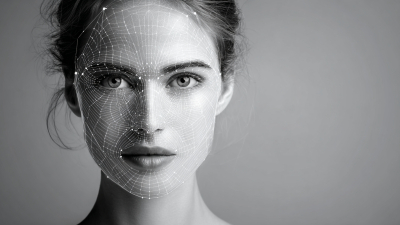
In today's digital landscape, personalization is key. Companies need to understand their customers deeply. This is where Face Analyser technology comes into play. Face Analyser helps brands gather insights based on facial expressions and emotions. It captures real-time data, enabling tailored experiences that resonate more with users.
Imagine a shopping experience where the system adapts to your mood. A smile could trigger suggestions for uplifting products. On the other hand, a frown might offer comfort solutions. This technology offers a profound understanding of consumer behavior. However, it raises questions about privacy and ethics. How much do we want technology to know us?
While Face Analyser can enhance customer interactions, it is not foolproof. Misinterpretations of emotions can occur. A customer’s reaction may not always reflect their true feelings. This highlights the need for careful implementation. Companies must balance innovation with ethical considerations. Embracing Face Analyser technology can lead to personalized solutions, but challenges will persist.
The landscape of face analyser technology has transformed rapidly over the years. Once a novelty, it is now integral to many sectors. Personalization is at the core of its development. Businesses leverage detailed facial recognition to tune experiences uniquely for each user. This technology analyzes emotions, age, and even gender, adjusting content accordingly. It creates a feeling of connection.
Yet, the evolution isn't without its challenges. Privacy concerns loom large. Users may feel uneasy as their faces are scrutinized. The technology isn’t always accurate. Misinterpretations can lead to unwanted personalization. For instance, a joyful expression may be misread as surprise. Such errors can lead to disillusionment. Stakeholders must prioritize ethical use and accuracy.
Moreover, the application of this technology can lead to superficial connections. Consumers may receive over-personalized content, causing disengagement. As algorithms evolve, they must strive to balance insight with genuine human interaction. The technology has potential, but it carries risks. Users must be cautious as this innovation progresses.
Facial recognition technology has transformed various sectors, allowing for enhanced personalization. Algorithms analyze facial features, such as nose shape and eye distance. These details create unique profiles, enabling tailored experiences. In retail, for example, customers could receive personalized recommendations based on their expressions. When a shopper appears engaged, the system might suggest products that align with their interests.
However, there are ethical considerations. Misuse of facial recognition can lead to privacy violations. Some people may feel uncomfortable with constant monitoring. Sensitivity to this issue is crucial for developers. They must find a balance between personalization and respect for user privacy. Demonstrating transparency can also build trust. Brands should inform users about data use, ensuring they feel safe while enjoying personalized services.
Moreover, the accuracy of algorithms is not always perfect. They can misidentify individuals, leading to potential frustrations. These inaccuracies can skew personalized experiences. Continuous reflection and improvement of these technologies is necessary. Engaging with diverse groups can offer valuable insights. Feedback helps refine algorithms, making them more inclusive. In this way, face analyser technology can truly enhance personalization while addressing concerns.
Face analyser technology is making waves in various industries. Brands use it to better understand their customers' emotions and preferences. For instance, in retail, some companies employ facial analysis at checkout points to gauge shopper satisfaction. They adjust product displays based on real-time emotional feedback. This helps create a more tailored shopping experience.
In the beauty industry, virtual try-on services benefit from face analyser technology. Customers can see how products suit them without physical applications. This innovation can be a double-edged sword. While it offers convenience, it may also lead to over-reliance on tech. People might forget the joy of exploring products in person. Moreover, this reliance raises privacy concerns, as customers often feel uneasy about facial recognition. Balancing personalization and privacy is a challenge brands must navigate.
Emotion recognition technology is reshaping customer engagement. By analyzing customers' facial expressions, businesses can gauge emotions in real-time. This insight helps tailor experiences to individual needs. A smile may indicate satisfaction, while a frown can signal disappointment. Understanding these cues can lead to better interactions.
Personalization becomes more impactful with emotion recognition. When customers feel understood, their loyalty grows. For instance, a customer entering a store might initially appear stressed. A quick response from the staff, perhaps offering calming assistance, can transform their experience. However, reliance on technology also poses challenges. Misinterpretations can occur, leading to awkward situations or even customer frustration.
Moreover, not every emotion is easily categorized. Subtle cues may go unnoticed. Businesses must remain aware of cultural differences that influence emotional expression. Understanding emotional diversity is crucial in creating genuine connections. In a world prioritizing personalization, striking the right balance between technology and human empathy is essential.
Personalized experiences are a significant trend in consumer engagement. According to recent studies, 80% of consumers prefer personalized experiences when interacting with brands. This demand has surged as customers expect businesses to understand their individual preferences. A report by Accenture highlights that 91% of consumers are more likely to shop with brands that recognize and remember them.
Face analyser technology can provide brands with valuable insights. This technology analyzes facial expressions and emotions, allowing for tailored marketing strategies. It can reveal how consumers feel about products. However, it raises questions about privacy and consent. Consumers are aware of data collection and may be cautious.
Tips for brands: Clearly communicate data usage. Transparency builds trust. Another suggestion: use the data responsibly. Misusing insights can lead to negative experiences. Consumers want genuine connections, not targeted sales tactics.
As brands embrace personalization, keeping consumer preferences at the forefront is crucial. Adapting to these expectations can enhance brand loyalty significantly. Awareness of ethics in data usage remains essential.
| Metric | Percentage |
|---|---|
| Consumers Who Prefer Personalized Recommendations | 78% |
| Consumers Who Feel More Engagement with Personalized Experiences | 81% |
| Consumers Willing to Share Personal Data for Enhanced Personalization | 75% |
| Consumers Who Have Used Facial Recognition for Personalization | 60% |
| Increase in Customer Satisfaction with Personalized Services | 70% |
| Consumers Who Trust Brands Using Face Analyser Technology | 65% |
Facial recognition technology offers exciting opportunities for personalization. However, there are significant challenges and ethical concerns. Implementing this technology raises questions about privacy and consent. A study by Gartner highlights that 75% of consumers are uncomfortable with their facial data being used without explicit consent. This discomfort can hinder trust between businesses and users.
The potential for biased algorithms is another critical issue. Research from MIT Media Lab shows that facial recognition systems often misidentify women and people of color. These biases can lead to unfair treatment and discrimination. Addressing algorithmic transparency is vital to ensure equitable usage.
Data security is equally important. Facial data breaches can expose sensitive information. A survey by IBM indicates that 95% of organizations recognize the risks associated with facial data but struggle with compliance. This highlights the need for clearer regulations and ethical guidelines. Without them, the promise of enhanced personalization may come with significant ethical costs.
The rise of Artificial Intelligence (AI) is reshaping face analyser technology. By 2024, the global face recognition market is projected to reach $8.5 billion. This rapid growth highlights the increasing demand for personalized experiences across various sectors.
AI-driven face analyser technology enables deeper understanding of customer preferences. It analyzes facial expressions and emotions in real-time. This data helps brands adjust marketing strategies quickly. However, ethical concerns arise. Privacy issues remain a significant challenge, influencing how businesses implement these technologies.
Moreover, while personalization enhances customer engagement, it can inadvertently alienate some users. Not everyone is comfortable with being constantly analyzed. The delicate balance between personalization and privacy must be navigated carefully. Continuous evaluation of user feedback will be essential. Aspiring innovations must address both technical advancements and ethical considerations for sustainable growth in this field.
: Paper, glass, cardboard, and certain plastics are commonly recyclable. Check local guidelines for specifics.
Many areas have designated drop-off sites. Follow local regulations to avoid environmental harm.
Yes, if they are clean and dry. Rinse them before recycling to prevent contamination.
Items like pizza boxes, plastic bags, and certain foams generally cannot be recycled.
Use reusable bags, buy in bulk, and compost food scraps. Every small action helps.
They are collected, sorted, and processed into new products. The journey can be complex and energy-intensive.
Reducing waste is often more beneficial. It minimizes the need for recycling and saves resources.
Recycling conserving resources and reduces landfill waste. It helps protect the environment for future generations.
Some facilities accept e-waste for recycling. Ensure data is wiped before disposal.
Many people recycle items that are not accepted or fail to clean containers. Check local rules carefully.
Face Analyser technology has rapidly evolved, playing a crucial role in personalizing customer experiences through advanced facial recognition algorithms. These algorithms allow brands to analyze consumer emotions and preferences, significantly enhancing engagement and loyalty. Real-world applications demonstrate how companies leverage Face Analyser technology to tailor interactions and offerings, resonating with customer desires for individualized experiences.
However, the implementation of Face Analyser technology also brings forth challenges and ethical considerations, particularly concerning privacy and consent. As the industry moves forward, the integration of AI promises to further refine these technologies, paving the way for innovative solutions that align with consumer expectations and market trends. The future of Face Analyser technology looks promising as organizations strive to enhance personalization while addressing ethical concerns.