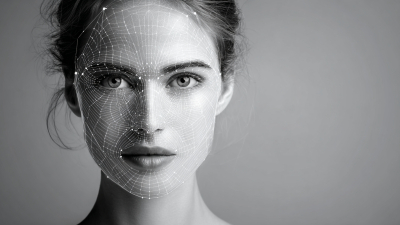
In today's digital age, the beauty and skincare industry has experienced a significant transformation, allowing consumers to access personalized care from the comfort of their homes. One of the most effective ways to achieve this is through a comprehensive Skin Analysis Online. This innovative approach combines advanced technology with expert knowledge, enabling individuals to receive tailored skincare recommendations based on their unique skin types and concerns.
A thorough online skin analysis not only assesses the visible aspects of the skin but also takes into consideration factors such as lifestyle, environment, and overall health. By leveraging cutting-edge tools and algorithms, skincare professionals can evaluate an individual’s needs more effectively than ever before. This accessibility allows for a wider audience to engage with their skincare journey, breaking down barriers that traditionally limited personalized care to in-person consultations.
As we delve into the process of performing an effective skin analysis online, we will explore the methodologies, technologies, and best practices that can elevate the standard of personalized skincare. With the right approach, consumers can embark on a transformative path toward healthier skin, armed with insights tailored specifically to them.

Understanding the Importance of Online Skin Analysis for Personalized Care
Understanding the importance of online skin analysis for personalized care is crucial in today’s digital age. With the advancement of technology, individuals can now receive tailored skincare recommendations without having to visit a dermatologist in person. Online skin analysis utilizes various tools and platforms to evaluate skin conditions, concerns, and types. By gathering data through images, questionnaires, and automated assessments, users can gain valuable insights into their skin health. This process not only enhances accessibility but also empowers individuals to take charge of their skincare routines based on their unique needs.
Moreover, personalized care derived from online skin analysis can lead to more effective results than generic treatments. Each person’s skin is unique, influenced by factors such as genetics, environment, and lifestyle. By analyzing these specific characteristics, online tools can recommend products and habits that are more likely to yield positive outcomes. This approach minimizes the trial-and-error often associated with skincare, ensuring that users invest their time and resources in what genuinely benefits their skin. As a result, online skin analysis serves as a vital resource for anyone keen on achieving healthier skin through informed and personalized care.
Identifying Common Skin Concerns Through Virtual Assessments
In the age of digital consultation, performing an effective skin analysis online has become increasingly feasible. Virtual assessments allow individuals to identify their common skin concerns through the use of various tools and technologies that facilitate an in-depth understanding of their unique skin types. By utilizing high-resolution images and guided questioning, skincare professionals can obtain crucial information about skin texture, tone, and specific issues such as acne, dryness, or pigmentation.
During an online skin analysis, clients are typically asked to provide detailed information about their skin history, lifestyle, and existing skincare routines. This data, combined with visual assessments, helps in pinpointing problematic areas and contributing factors influencing skin health. Common concerns can include signs of aging, sensitivity, or uneven skin tone, which can be effectively addressed through tailored recommendations. The ability to relay concerns and receive immediate feedback makes online assessments a valuable resource for those seeking personalized skincare advice without the need for in-person consultations.
The growing trend emphasizes the importance of combining technology with professional insights to facilitate a deeper understanding of individual skin needs.
Gathering Essential Information for an Accurate Skin Analysis
To perform an effective skin analysis online, gathering essential information is crucial for delivering personalized care. Start by collecting detailed data about the individual's skin type. This includes understanding whether their skin is oily, dry, combination, or sensitive. Asking specific questions about their skin's texture, pore size, and any visible concerns such as redness or acne can provide valuable insights.
Additionally, inquire about their daily skincare routine, including the products they use and the frequency of application, to determine compatibility with their skin's needs.
Furthermore, understanding the individual's lifestyle factors plays a vital role in skin analysis. Consider elements such as diet, hydration levels, sun exposure, and stress, as these can significantly impact skin health. Encourage respondents to share any relevant medical history, such as past skin conditions or allergies. By compiling this comprehensive information, you can create a more accurate profile that informs recommendations tailored to the individual's unique skin characteristics.
This personalized approach not only enhances the effectiveness of skincare routines but also fosters a deeper connection between the client and the care provider.
Utilizing Technology and Tools for Effective Online Skin Evaluation
The rise of teledermatology and skin analysis tools has revolutionized the way individuals can assess their skin health from the comfort of their own homes. With advancements in technology, online platforms now offer sophisticated algorithms that analyze skin conditions based on user-uploaded images. According to a recent report from the American Academy of Dermatology, there's been a 30% increase in the adoption of teledermatology services in the past two years, underscoring a growing trend toward remote skin evaluations. These tools often employ artificial intelligence and machine learning to ensure accurate assessments, enabling users to receive tailored skincare recommendations.
Additionally, the effectiveness of online skin evaluations is bolstered by access to vast databases of dermatological conditions correlated with specific skin types. Research presented in the Journal of Investigative Dermatology shows that 65% of users experienced a more personalized skincare regimen after an online analysis, compared to traditional methods. Through the use of high-resolution imaging and user-friendly apps, individuals can not only analyze their skin texture, pigmentation, and issues like acne or pigmentation disorders, but they can also track changes over time, leading to informed decisions on product use and treatment options. The integration of these technologies into daily skincare routines emphasizes the shift towards a more individualized approach, promoting better skin health outcomes.
How to Perform an Effective Skin Analysis Online for Personalized Care
| Skin Type |
Common Concerns |
Recommended Products |
Evaluation Tools |
| Oily |
Acne, enlarged pores |
Oil-free moisturizer, salicylic acid cleanser |
Skin analysis app, pH balance tester |
| Dry |
Flakiness, dullness |
Hydrating serum, rich moisturizer |
Moisture level gauge, skin barrier tester |
| Combination |
Oily T-zone, dry patches |
Balancing toner, dual-action moisturizer |
Combination skin analysis tool |
| Sensitive |
Redness, irritation |
Fragrance-free cream, soothing serum |
Skin sensitivity test, temperature sensor |
| Normal |
None |
Lightweight moisturizer, antioxidant serum |
General skin condition analysis |
Interpreting Skin Analysis Results for Tailored Skincare Strategies
Interpreting skin analysis results is a crucial step in developing tailored skincare strategies that cater to individual needs. By understanding skin types, conditions, and concerns identified through online tools, individuals can make informed decisions about their skincare routines. Whether your skin is oily, dry, combination, or sensitive, specific characteristics play a vital role in determining which products and ingredients will be most effective.
Tips: Always start by purifying your skin analysis data to ensure it accurately reflects your current skin health. Take note of any particular concerns such as acne, pigmentation issues, or signs of aging, as these factors will guide your choice of treatment. Additionally, pay attention to environmental influences and lifestyle habits that can affect your skin, such as diet and stress levels.
Once you have a clear understanding of your skin’s needs, you can choose tailored skincare products that align with your analysis. Look for ingredients that target your specific issues, such as hyaluronic acid for hydration or salicylic acid for breakouts. Regularly reassessing your skin’s condition through follow-up analyses can help you adjust your skincare regimen as necessary, ensuring that you are always on the right path to healthier skin.
Providing Recommendations Based on Individual Skin Needs
When conducting an effective online skin analysis, it is essential to hone in on the individual needs of each client. By utilizing detailed questionnaires that evaluate skin type, concerns, and environmental factors, practitioners can gather vital information that informs personalized skincare recommendations. For example, questions may cover skin texture, sensitivity levels, and conditions like acne or dryness, which pave the way for tailored advice rather than a one-size-fits-all approach.
Once the analysis is complete, the focus shifts to providing personalized recommendations based on the identified skin needs. This could involve suggesting specific skincare routines or ingredients that address particular concerns such as fine lines, pigmentation, or oiliness. Moreover, it's beneficial to educate clients about the importance of sun protection and hydration tailored to their skin type, enhancing their understanding and commitment to their skincare journey. By prioritizing individual skin needs, online analyses can empower clients to make informed choices, ultimately leading to healthier and more radiant skin.
Tracking Progress and Adjusting Care Plans Through Online Follow-ups
When engaging in online skin analysis, subsequent follow-ups play a crucial role in tracking progress and adjusting care plans. Regular online consultations allow both clients and professionals to review the initial observations, update any changes in skin condition, and evaluate the effectiveness of the prescribed regimen. This iterative process ensures that care plans remain tailored to the individual's evolving needs.
**Tips:** Schedule your follow-up appointments at regular intervals to maintain a consistent review of your skin's progress. Use a journal to document changes in your skin, noting any improvements or new concerns that arise between sessions. This information can greatly enhance your analysis and help your skincare advisor make informed adjustments.
By utilizing digital tools for communication and review, clients can access a wealth of resources that guide their self-care practices. For instance, sharing photos during check-ins can provide visual references that enhance the discussion about treatment effectiveness. This transparency fosters a more dynamic relationship between clients and professionals, allowing for prompt modifications in skin care plans based on real-time feedback.
**Tips:** Make sure to prepare for your follow-ups by gathering any relevant data or documentation about your skincare routine. Utilize mobile apps or platforms that specialize in skincare tracking, as these can highlight trends and provide insights that support your discussions during appointments.
Skin Analysis Progress Over Time
FAQS
: Essential information includes understanding the individual's skin type (oily, dry, combination, or sensitive), skin texture, pore size, and any visible concerns like redness or acne. Also, inquire about their daily skincare routine, including products used and application frequency.
Lifestyle factors such as diet, hydration levels, sun exposure, and stress significantly impact skin health. These elements provide valuable context for understanding skin conditions and tailoring care recommendations.
Individuals should share any relevant medical history, including past skin conditions or allergies, as this information can affect skincare recommendations and overall treatment success.
Clients can track progress by scheduling regular follow-up appointments and keeping a journal to document changes in their skin, noting improvements or new concerns that arise.
Sharing photos provides visual references that can enhance discussions about treatment effectiveness, allowing for a more dynamic interaction between clients and professionals.
Clients should gather relevant data or documentation about their skincare routine and consider using mobile apps or platforms for skincare tracking to highlight trends and support discussions during their appointments.
Follow-up appointments should be scheduled at regular intervals to maintain a consistent review of skin progress and make necessary adjustments to care plans.
Digital tools facilitate better communication and provide access to resources that can guide self-care practices, making it easier to track progress and stay informed about skincare options.
Updating changes in skin condition allows skincare professionals to reevaluate the effectiveness of the prescribed regimen and make informed adjustments to care plans based on the individual's evolving needs.
Conclusion
Performing an effective Skin Analysis Online is becoming increasingly important for personalized skincare. By understanding common skin concerns through virtual assessments, individuals can identify their unique needs and challenges. Essential information, such as skin type, texture, and specific issues, can be gathered to ensure accurate evaluations. Utilizing advanced technology and tools enables a comprehensive analysis that is both convenient and accessible.
Interpreting the results from an online skin analysis allows for the development of tailored skincare strategies, addressing individual concerns effectively. Recommendations can be made based on these insights, ensuring a customized approach to skincare. Furthermore, tracking progress and adjusting care plans through online follow-ups fosters an ongoing relationship between users and skincare professionals, promoting continuous improvement and satisfaction in skincare results.