


Honestly, lots of people dream of having perfect, flawless skin. The good news is, with some proper guidance, pretty much anyone can improve their skin health. And you know what? Beauty dermatologists are pretty much the true MVPs in this whole journey. They've got years of experience and keep learning new stuff all the time, so their advice comes from real expertise—understanding different skin types and what each person needs.
They always stress how important it is to have a skincare routine that's totally tailored to you. Not every product works for everyone, right? Finding what suits your skin can really help with common issues like dullness, dryness, or breakouts. But here’s the thing—improving your skin isn’t an overnight thing. It takes time, and yeah, there might be some setbacks here and there. The key is to stick with it and be patient.
Getting professional tips definitely helps show some real results, but a lot of people overlook how much lifestyle choices matter. Things like what you eat, how much water you drink, and how well you protect your skin from the sun—they all make a big difference. Regular check-ins with a dermatologist can help guide those choices so you’re not just guessing.
And hey, embracing those little imperfections? Totally part of the journey. Learning how to take care of your skin is more like a marathon than a sprint. It’s about patience, persistence, and showing kindness to yourself along the way.

Role of a Dermatologist in Skin Care

The role of a dermatologist in skin care is crucial for achieving and maintaining flawless skin. Dermatologists possess expertise in skin health, treating conditions like acne, eczema, and skin cancer. According to a report from the American Academy of Dermatology, over 85% of people will experience acne at some point. This statistic illustrates the commonality of skin issues and the need for professional guidance.
Regular consultations with a dermatologist can help tailor a skincare regimen to individual needs. Tip 1: Incorporate sunscreen daily, regardless of the weather. UV protection is vital to prevent premature aging and skin damage. Tip 2: Consider professional treatments, like chemical peels or microdermabrasion, which can enhance skin texture and tone.
However, not all treatments are perfect for everyone. Some may experience side effects or allergies. It's essential to approach new products or procedures with caution. Tip 3: Always patch-test new skincare products to avoid negative reactions. A careful, informed approach can lead to healthier skin, minimizing the risks of irritation and ineffective treatments.

Leveraging MFJC-1B: Insights from Industry Data Reports on Enhanced Efficiency in Modern Manufacturing Processes
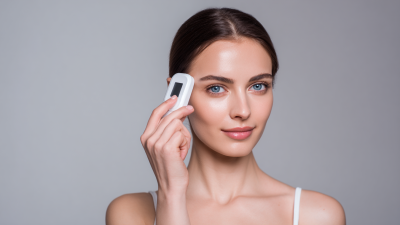
The MFJC-1B device represents a significant advancement in modern manufacturing processes, specifically within beauty and wellness industries. Its exceptional features, including million high-definition pixels and multi-spectral detection capabilities, provide unparalleled insights and enhanced efficiency. These technologies allow professionals to perform more accurate assessments, ensuring that applications in beauty salons, hair salons, and medical spas yield optimal results for clients.
In addition to its cutting-edge features, the MFJC-1B is designed with user convenience in mind. The incorporation of wireless charging and double detection heads simplifies the operational experience for professionals, enabling them to focus on delivering excellent service without the hassle of cumbersome equipment. By leveraging such innovative technologies, businesses can optimize their workflow, thereby increasing productivity and customer satisfaction. Whether it's for cosmetic analysis or precise hair treatment applications, this device truly embodies the future of efficient processes in the beauty industry.

FAQS
: Leaving makeup on can clog pores. This leads to breakouts. Clean skin helps prevent unexpected blemishes.
Exfoliating a couple of times a week is enough. Over-exfoliating can damage your skin barrier and cause irritation.
Drinking water is important, but it’s not enough. A good moisturizer locks in hydration, especially for dry skin.
Yes, professional treatments can enhance your skincare routine. It's important to choose treatments based on your skin type.
Treatments include chemical peels, microdermabrasion, and laser therapy. Each has different benefits and potential risks.
Results can vary; some may experience irritation or temporary redness. It's normal to feel disappointed sometimes.
Balancing professional treatments with daily care is crucial. Consistency in both is key for longer-lasting results.
Conclusion
In the pursuit of flawless skin, consulting a Beauty Dermatologist is crucial, as they specialize in skin health and can guide you through essential skincare practices. Developing a daily routine tailored to your skin type ensures the effective cleansing and moisturizing necessary for maintaining skin health. Staying adequately hydrated also plays a significant role in achieving a radiant complexion.
Common skincare mistakes, such as neglecting sun protection, can accelerate skin aging. Therefore, incorporating broad-spectrum sunscreen into your routine is vital. Additionally, understanding the benefits of key ingredients can help you choose products that promote youthful skin. For those seeking more intensive solutions, professional treatments recommended by a Beauty Dermatologist can be a worthwhile consideration to further enhance skin clarity and texture.
Related Posts
-

Unlocking the Secrets of Skin Health with Beauty Dermatologists
-

How to Choose the Right Beauty Dermatologist for Your Skin?
-
How to Effectively Utilize Screen Digital Skin Detectors for Your Business
-

Top Body Elements Analysis Essential Factors You Need to Know
-

5 Expert Tips for Choosing Top Rated Face Products for Flawless Skin
-

How to Use Body Analyzer Test for Accurate Health Insights?


