


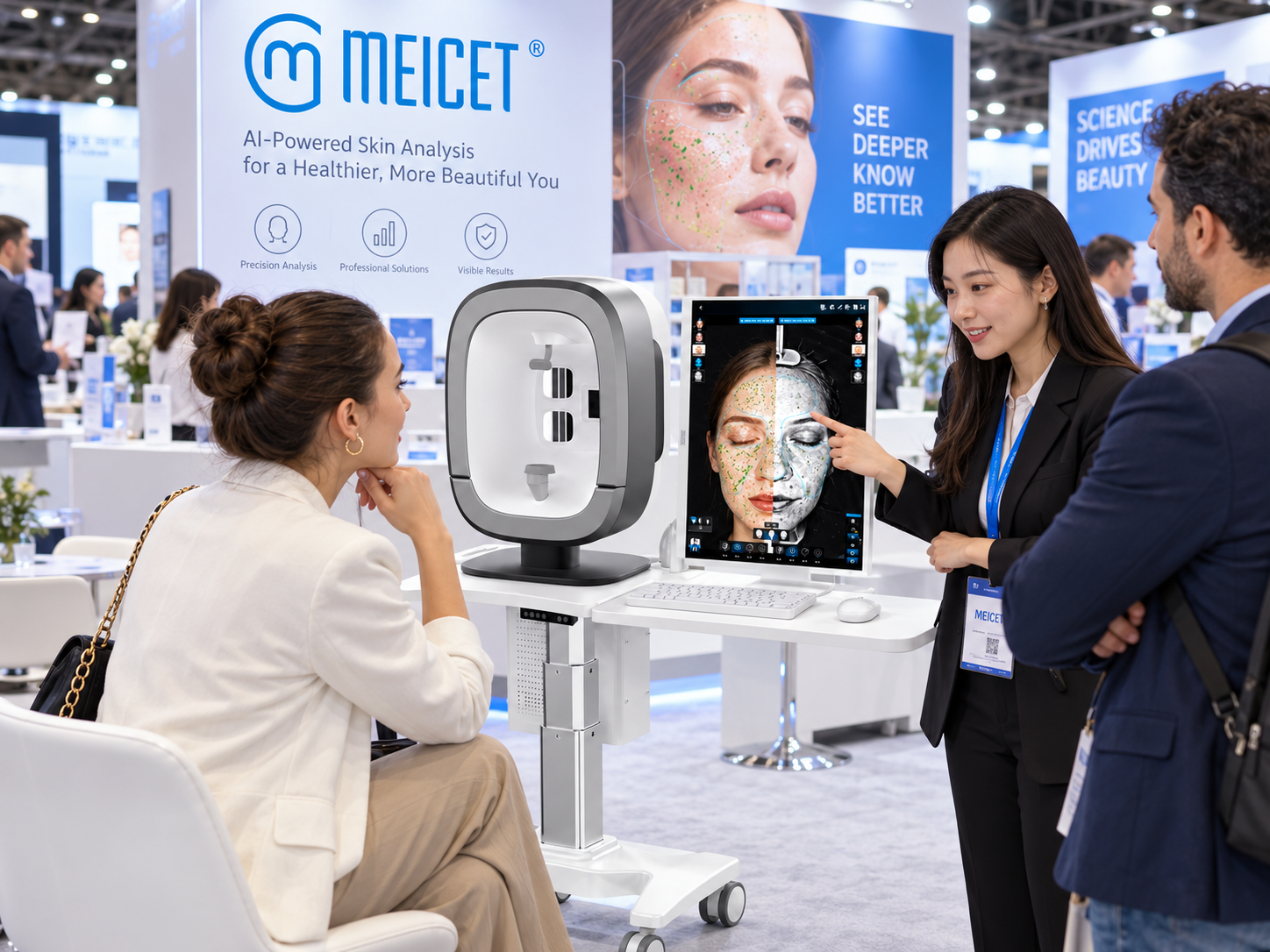
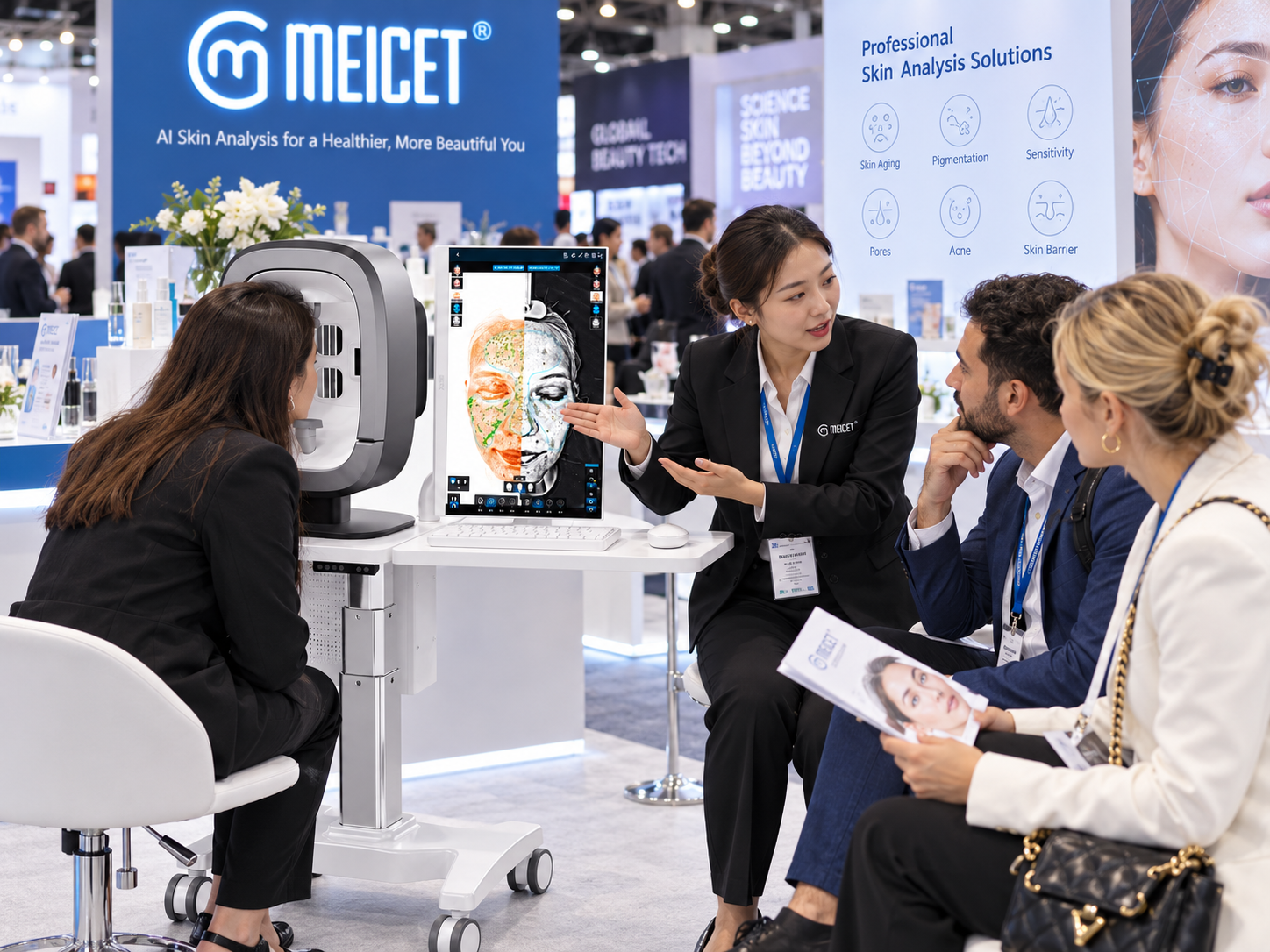
Distributors can build a private label business with a 3D skin analyzer manufacturer in three phases spanning 4–12 months: platform selection (4–8 weeks), regulatory positioning (2–8 weeks for cosmetic OEM; 6–24 months if pursuing medical device registration), and go-to-market launch. The critical determinant of success is not manufacturing capability—it is regulatory pathway clarity. A distributor that applies its brand to a CE-certified platform like the ISEMECO 3D D9 without clarifying whether it becomes the legal manufacturer under EU MDR Article 16 assumes obligations it may not be equipped to fulfill. MEICET confirms OEM and ODM services are available, and its product lineup—Pro-A, D9, MD300—offers distributors multiple entry points at different price and capability tiers.
Key Takeaways
Private label ≠ legal manufacturer, but the boundary is contractual. Under EU MDR, a distributor that places its brand on a device can become the manufacturer unless a written agreement designates the original manufacturer as responsible.
Cosmetic OEM launches in 4–8 weeks; medical device positioning takes 6–24 months. The timeline gap reflects regulatory registration, not production speed.
Platform choice determines claims. The D9’s 0.2mm structured-light modeling supports clinical aesthetic positioning; entry-level devices support consultation-only positioning.
MEICET’s tiered product line reduces risk. Pro-A for acquisition, D9 for clinical differentiation, MD300 for flagship positioning.
A distributor building a private label 3D skin analyzer business faces a decision that looks like a branding exercise but is actually a regulatory and market positioning strategy. The device you choose determines what claims you can make; the contract you sign determines who bears liability when those claims are challenged. The ISEMECO 3D D9—with its binocular grating structured light, 42-megapixel full-face imaging, and AI-driven aging analysis across eight dimensions—sits at the clinical end of MEICET’s lineup. For a distributor targeting dermatology clinics and medical spas, this is the platform that supports differentiation. For a distributor targeting general beauty salons, the Pro-A or entry-level MD200 may be the more appropriate starting point.
1. Platform Selection: Matching Device Capability to Target Market
The first private label decision is not “which manufacturer” but “which device tier matches my buyers.” A distributor selling to medical aesthetics clinics needs a device that can withstand clinical scrutiny; a distributor selling to beauty salons needs a device that generates compelling visual reports at a competitive price point. MEICET’s current lineup spans three tiers, each with a different capability profile.
- The ISEMECO 3D D9 is positioned for clinical and medical aesthetics use. Its published specifications include 0.2mm 3D modeling accuracy, 42 million full-face pixels, and structured-light depth measurement that supports filler volume calculation at 0.1ml precision.
- The MD300 represents MEICET’s newest platform, launched globally at Cosmoprof Asia 2025. It integrates high-precision 3D modeling with multi-spectral analysis and is positioned as a flagship device for comprehensive facial assessment.
- The Pro-A is positioned for client acquisition and retention in beauty businesses. It generates visual reports across eight key skin dimensions in minutes, making it a true revenue growth partner for salons.
| Device Tier | Target Buyer | Key Specifications | Private Label Positioning |
|---|---|---|---|
| Pro-A | Beauty salons, skin management centers | 8-dimension visual report; AI-driven | Client acquisition and conversion tool |
| ISEMECO 3D D9 | Dermatology clinics, medical spas | 0.2mm structured light; 42MP; 0.1ml volume precision | Clinical differentiation; treatment outcome tracking |
| MD300 | Flagship clinics, distributors seeking newest platform | 3D modeling + multi-spectral analysis; 32MP | Technology leadership narrative |
2. The Regulatory Boundary: What Private Label Actually Commits You To
Private label distributors face a regulatory fork that determines whether they are a branding partner or a legal manufacturer. Under EU MDR Article 16(1), a distributor that makes a device available under its own name or trademark assumes the obligations of the manufacturer, unless a written agreement designates the original manufacturer as responsible and that manufacturer is identified on the labeling.
Pathway A: Branded Distributor
The distributor’s logo appears on the device, but the original manufacturer remains identified as the legal manufacturer. This is the lower-risk path for most distributors.
Pathway B: Legal Manufacturer
The distributor places its name as the manufacturer. This requires a full Quality Management System (QMS) and technical documentation ownership.
3. The Launch Sequence: From Contract to First Shipment
Phase 1: Platform and scope definition (1–2 weeks)
Select device tier and define customization scope (logo, packaging, software templates).
Phase 2: Contract and regulatory structuring (1–3 weeks)
Execute OEM agreement with Article 16 designation. Verify ISO 13485 certificates.
Phase 3: Sample validation (2–4 weeks)
Validate logo application, packaging, and configured reports.
Phase 4: Launch and first orders (2–4 weeks)
Production and shipping. Start with a market-validation order size.
4. Building the Business Case: What Distributors Underestimate
The private label business case fails most often on support costs, not device costs. A distributor that calculates margin as (selling price minus device cost) has omitted calibration, software updates, training, and warranty administration.
- Support Infrastructure: The D9 requires periodic calibration and AI software updates every 3–6 months.
- Market Education: Training clinics on report interpretation and treatment integration is essential for retention.
- Regulatory Maintenance: Ensuring branded configurations stay compliant as base platforms are updated.
5. A Distributor Private Label Launch Checklist
FAQ
Q1: Does a private label distributor need its own ISO 13485 certification?
It depends on the regulatory pathway. Under Pathway A, the distributor relies on the manufacturer’s certificate. Under Pathway B (legal manufacturer), the distributor must maintain their own quality management system and undergo assessment.
Q2: Can I use MEICET’s CE certificate for my private label version?
The base device’s CE certificate covers the manufacturer’s configuration. If the distributor becomes the legal manufacturer, the CE certificate may need to be re-issued or amended to reflect the new manufacturer identity.
Q3: What is the minimum order for a private label launch?
For logo-only customization, MOQs can be as low as 1–10 units. For packaging, MOQs range from 20 to 200 units. Sample orders below MOQ are often negotiable with a documented follow-on plan.
Q4: How long does it take to get my branded device to market?
Cosmetic OEM takes 4–8 weeks for samples. If medical device registration is required, the timeline extends by 6–24 months depending on the market and classification.
Q5: What support does MEICET provide to private label distributors?
MEICET provides a one-year warranty on the main unit, free software updates every 3–6 months, and technical support via phone, webcam, or online chat.
Q6: Can I customize the D9’s report to match my brand and treatment menu?
Yes. Report template configuration is a software-layer customization that aligns output with your brand identity and clinic customers’ treatment menus without hardware modification.
Q7: What happens if the manufacturer discontinues the platform?
The OEM agreement should include a discontinuation notice period and a spare parts commitment to ensure software updates and replacement components remain available for the expected ownership period.
Post time: Nov-04-2026


