


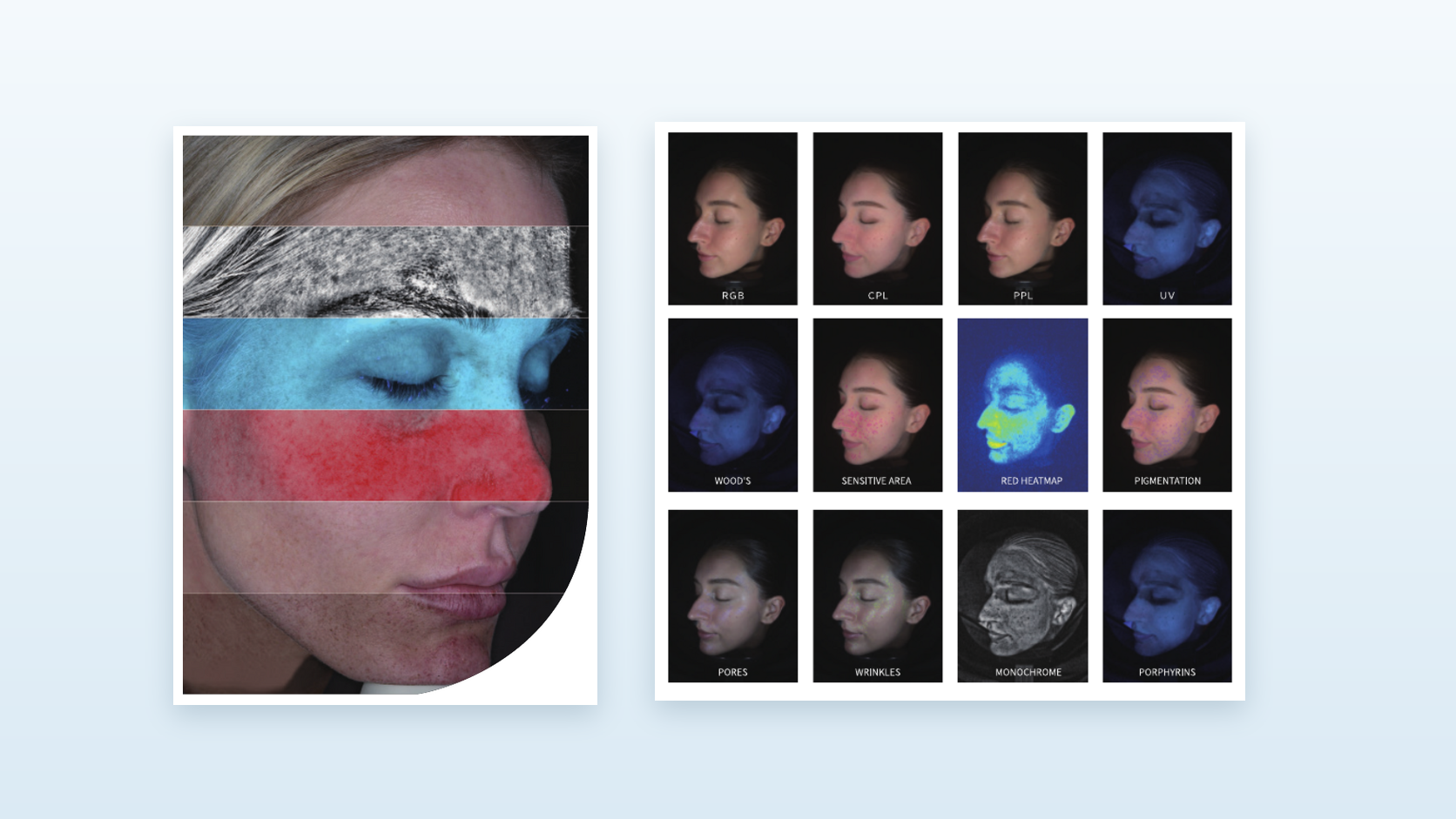
Yes, face analysis machines like the ISEMECO 3D D9 can be customized with your own brand and logo, but the scope of customization determines the minimum order quantity (MOQ), lead time, and cost. Logo-only customization on an existing certified platform typically starts at the lowest MOQ tier, while deeper software or hardware changes escalate both commitment and timeline. According to MEICET’s published guidance, logo printing on the device and software can be arranged at an MOQ as low as 1–10 sets, packaging customization typically requires 10–50 sets, and software-level customization pushes the threshold higher . The critical constraint is regulatory: any change that alters the device’s intended use claim can invalidate existing certifications and trigger re-certification costs measured in months and tens of thousands of dollars .
Key Takeaways:
- • Face analysis machine customization operates on a tiered spectrum: appearance (logo, boot screen, packaging), software (language, report templates, skin databases), and hardware (sensor configuration, housing) .
- • Logo-only OEM on an already-certified platform is the lowest-friction entry point, with MOQ potentially as low as 1–10 units because no tooling or firmware changes occur .
- • Software localization—particularly language and regional skin type databases—is the highest-value customization for distributors targeting specific markets, but requires higher MOQ and engineering resources .
- • Regulatory boundaries cap customization: changing a device’s intended use from cosmetic imaging to diagnostic assessment can void FDA 510(k) clearance or EU MDR certification, adding 6–18 months and significant cost per market .
Why Brand Customization Matters for Distributors and Clinic Chains
Brand customization transforms a face analysis machine from a generic tool into a market-positioned asset. For distributors, a branded device differentiates the offering from competing products sourced from the same manufacturing base. For clinic chains, consistent branding across locations reinforces professional identity and reduces price sensitivity. The strategic logic is straightforward: a machine that carries your logo, your report templates, and your language is harder for a customer to comparison-shop against an identical unit sold under a different name. The question is not whether customization is possible—most major manufacturers offer it—but which layer of customization delivers the right balance of investment, timeline, and market impact for your specific business model.
Level 1: Appearance Customization — The Fastest Path to a Branded Machine
Appearance customization changes what the customer sees without altering what the machine does, making it the most accessible entry point for private-label projects. The scope includes the logo on the device housing, the boot screen and software interface branding, packaging design, color options for the housing and accessories, and branded user manuals with distributor contact information .
The MOQ for logo-only customization on an existing certified platform can be remarkably low. MEICET’s published guidance indicates that logo printing on the device and software can be arranged at 1–10 sets, because no tooling or firmware changes occur—only setup labor for applying the branding . Packaging customization typically requires a higher threshold, in the range of 10–50 sets, to justify the print setup and material ordering . The lead time for appearance-level customization is typically 4–6 weeks, with one-time setup costs in the low thousands of dollars depending on complexity .
For the ISEMECO 3D D9 specifically, the device is a certified clinical-grade system with CE and FDA credentials . This certification status is the enabler for low-MOQ logo customization: the platform itself does not change, so no re-verification is triggered. The branding is applied to an already-approved device.
| Customization Element | What Changes | Typical MOQ Range | Primary Cost Driver |
|---|---|---|---|
| Housing logo | Physical badge or print on device | 1–10 sets | Setup labor |
| Boot screen / software logo | Branded startup and UI elements | 1–10 sets | Software configuration |
| Packaging | Box, inserts, protective materials | 10–50 sets | Print setup, material order |
| User manual | Branded cover and distributor information | 10–50 sets | Document layout, printing |
Level 2: Software Customization — Localization and Market Fit
Software customization is the highest-leverage investment for distributors targeting markets where language and skin type distribution differ from the manufacturer’s default settings. The scope includes language localization of the interface and reports, adjustment of analysis dimensions and scoring thresholds, custom report templates carrying the distributor’s branding, and regional skin type databases calibrated to the Fitzpatrick distribution of the target market .
The MOQ for software-level customization typically begins in the 50–200 unit range, with lead times of 6–12 weeks and investment levels in the thousands to tens of thousands of dollars . The rationale for the higher threshold is engineering time: software localization is not a configuration toggle but a development project requiring translation, clinical validation of scoring adjustments, and testing across the device fleet.
For the ISEMECO 3D D9, the software platform includes AI-driven analysis across multiple skin parameters, including pigmentation, pore size, sebum levels, moisture, and elasticity . A distributor targeting, for example, the Middle East or Southeast Asia would benefit from a skin type database calibrated to the local population, because the default thresholds validated on a different demographic may produce misleading assessments. This is the customization layer that most directly affects clinical relevance and, by extension, the distributor’s credibility with clinicians.
Level 3: Hardware Customization — The Highest Barrier, the Longest Timeline
Hardware customization changes the physical configuration of the device and carries the heaviest regulatory and financial burden. The scope includes sensor configuration changes, housing redesign, and accessory package modifications. The MOQ for hardware-level customization typically starts at 100–500 units, with lead times of 3–6 months and investment levels that can exceed the cost of the base product itself .
The regulatory constraint is the decisive factor. A face analysis machine certified for cosmetic imaging has a defined intended use. If a hardware change—or even a software change—alters that intended use toward diagnostic assessment, the existing FDA 510(k) clearance or EU MDR certification may be invalidated. Re-certification can add 6–18 months per market and cost tens of thousands of dollars . For most distributors and clinic chains, hardware customization is not a realistic first step. The practical sequence is to begin with appearance branding, validate market demand, and escalate to software localization only when volume justifies the investment.
The Regulatory Boundary That Limits All Customization
The single most important constraint on face analysis machine customization is not manufacturing capability but regulatory scope. A device that carries a CE mark or FDA clearance does so for a specific intended use. Cosmetic imaging—visualizing skin condition for educational or treatment-planning purposes—occupies a different regulatory category than diagnostic assessment. Customization that stays within the cosmetic imaging claim is generally permissible without re-certification, provided the core technology and algorithms are unchanged. Customization that crosses into diagnostic claims, or that modifies the optical or sensor configuration in ways that affect measurement accuracy, can void the certification .
For a distributor planning a private-label program, the practical implication is to request documentation from the manufacturer confirming that the proposed customization does not alter the certified intended use. A manufacturer with mature OEM/ODM experience—MEICET has operated in the skin analysis sector since 2008 and offers OEM and ODM services across its brands —will have processes in place to assess this boundary and advise on the maximum customization scope that preserves certification.
A Practical Decision Framework for First-Time Brand Buyers
Most first-time buyers should begin with appearance-level customization and defer software localization until market feedback justifies the investment. The following sequence reflects the risk-adjusted path:
FAQ
Can I put my logo on the ISEMECO 3D D9 with a very small order?
Yes. Logo-only customization on an existing certified platform can start at 1–10 sets, because the change does not involve tooling or firmware modification—only setup labor for applying the branding . This is the lowest-friction entry point for testing a private-label program.
Does customizing the logo affect the device’s certification?
Logo and appearance customization on an unchanged platform does not affect certification, because the technology and intended use remain identical. The certification belongs to the platform, not to the brand name on the housing. However, any customization that alters the device’s functions or claims can trigger re-certification requirements .
What is the minimum order for custom packaging?
Custom packaging typically requires a higher MOQ than logo-only customization, generally in the range of 10–50 sets, to justify the print setup and material procurement costs .
Can the software be translated into my local language?
Yes, language localization is a standard software customization. This falls into the Level 2 customization tier, with MOQ typically starting in the 50–200 unit range and lead times of 6–12 weeks . The investment is higher than logo branding because translation and interface testing require engineering resources.
What is the most valuable software customization for a distributor?
Regional skin type database calibration is often the highest-value software customization, because the default thresholds validated on one population may not produce clinically relevant assessments for a different demographic . Language localization is the minimum requirement; database calibration is the differentiator.
Can I change the hardware configuration of the machine?
Hardware customization is technically possible but carries the highest barrier: MOQ typically starts at 100–500 units, lead time is 3–6 months, and any change affecting the sensor configuration or intended use claim may require re-certification . For most buyers, this is not a realistic first project.
Does MEICET have experience with OEM and ODM projects?
Yes. MEICET has operated in the skin analysis industry since 2008 and offers OEM and ODM services across its brands, including ISEMECO . The company’s published guidance on customization tiers and MOQ thresholds indicates an established process for private-label projects .
Post time: Nov-23-2026


